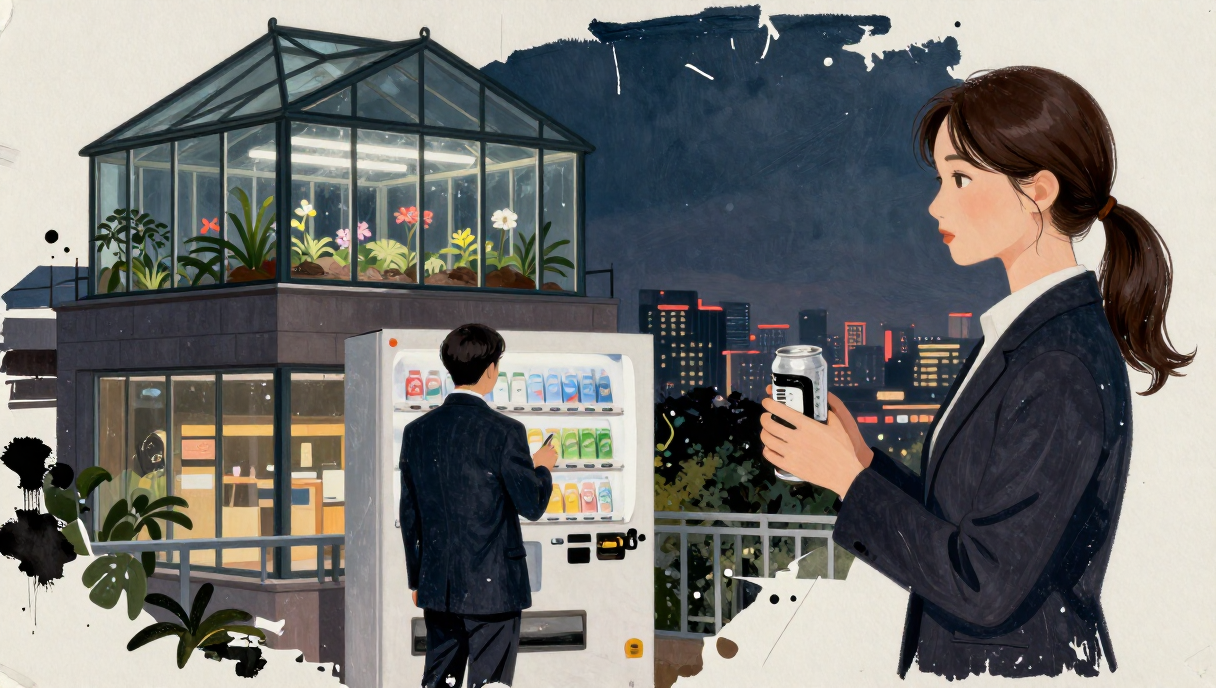
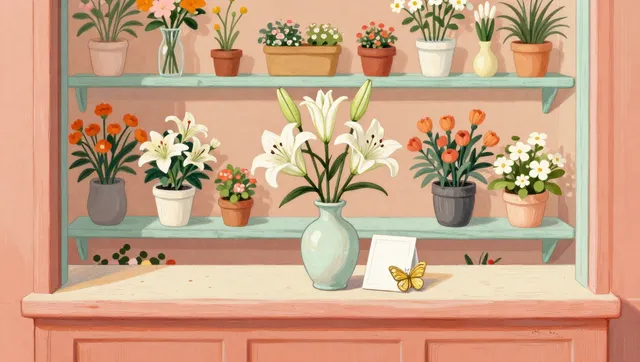
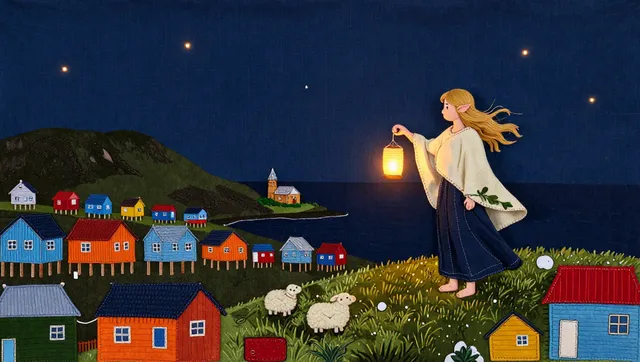
The pictures in this room are not the school of an old era but a genre in use today. Collage comes from the French coller, meaning 'to paste'. It names the method of making one picture by sticking different materials, such as paper, cloth and printed matter, onto a support. One thing must be clear first: the name Korean illustration collage is a label our atelier gave to this look, not an official school name handed down from the past. So this room does not invent a history for the name. It only introduces the tools this style borrows and the lineage that is really connected to it. Those tools are scissors and knife, glue, collected paper, and today's scanner and layers.
Pasting paper onto a picture became a major method of art around 1912 in Paris. The Cubist painters Georges Braque and Pablo Picasso pasted printed matter such as newspaper, wallpaper and sheet music onto parts of their pictures. This was called papier collé, meaning 'pasted paper'. In 1912 Braque cut and pasted wood-grain wallpaper into Fruit Dish and Glass, and he is said to have been inspired by Picasso's collage method. Once the wood grain that painters used to imitate in paint was replaced by real printed paper, the picture began to change from a window copying what is seen into an object built from gathered materials.
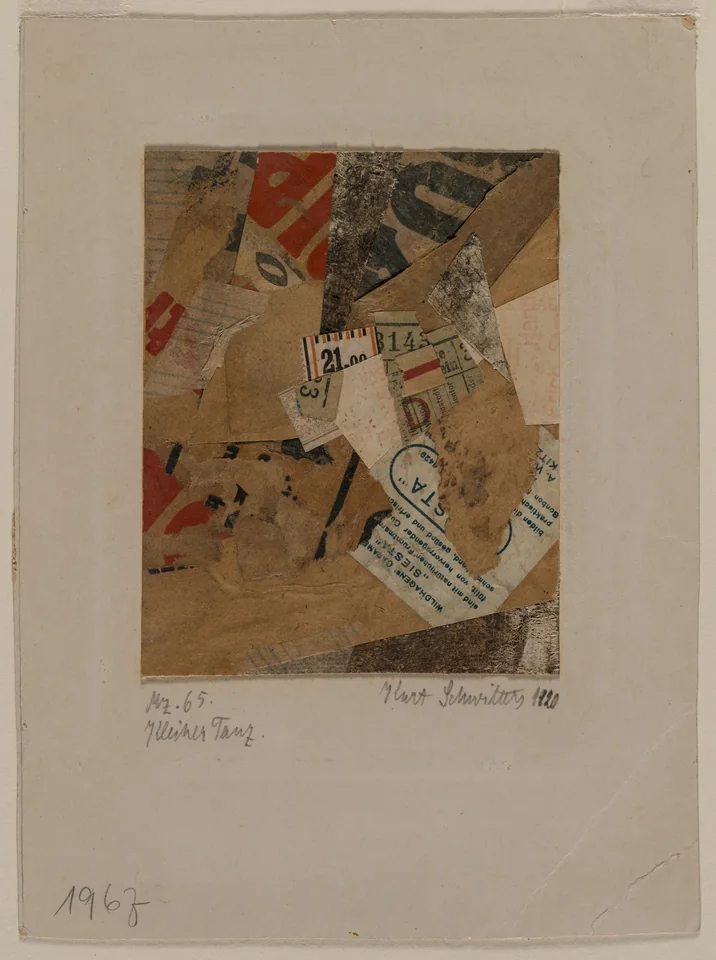
Around the First World War, paper pasting grew rougher and sharper. Dada, which began in 1916 at the Cabaret Voltaire in Zurich, was an art movement against the order that had produced the war. Hannah Höch (1889–1978) of Berlin Dada is counted among the first makers of photomontage, cutting and pasting photographs from newspapers and magazines. Her Cut with the Kitchen Knife of 1919, a large collage, is counted as her best-known work. Kurt Schwitters (1887–1948) of Hanover called his pictures of picked-up tickets and wrapping paper 'Merz'. The word came from a torn fragment of the German bank name Commerz- und Privatbank, leaving only Merz. Little Dance (1920), a real work in this room, is one of those Merz pictures.
The tradition of cutting forms from paper with scissors is far older. The German painter Philipp Otto Runge (1777–1810) cut flowers and plants with the folk silhouette-cutting skill he learned from his mother. Lilac (1800–1805) in this room is an example. More than a century later, Henri Matisse (1869–1954), reliant on a wheelchair after cancer surgery in 1941, used scissors like a brush. Assistants painted sheets of paper with gouache in advance, Matisse cut them, and the pieces were pinned to the wall and moved until they found their place. Matisse called this last period his 'second life'. Painting colour and cutting form became one motion, and this left a deep mark on today's cut-paper picture books and illustration.
The person who brought collage to children's bookshelves was the American picture-book author Eric Carle (1929–2021). Carle brushed paint by hand onto thin tissue paper to make patterns, then cut and layered that paper to build animals and caterpillars. His picture-book work is said to have begun when an advertisement with a lobster made from tissue paper caught the eye of the educator and author Bill Martin Jr. The Very Hungry Caterpillar of 1969 has been translated into more than 70 languages and has sold over 55 million copies. Pictures that openly show the brush marks of hand-painted paper and overlapping edges proved that collage need not be a hard, strange experiment but can be a warm picture language anyone recognises.
Today's illustration collage moves between paper and screen. Photoshop 1.0, an image-editing program, came out in February 1990, and layers were added a few years later in version 3.0. A layer is like stacking several sheets of transparent paper, so a cut piece can be moved or changed at any time. Many illustrators now scan hanji (Korean mulberry paper), kraft paper and ink blots, keep them as texture pieces, and cut and layer them on screen. In Korea, jogakbo, wrapping cloths pieced together from leftover fabric, is often compared for its similar feel, but that is only an analogy of likeness, not a directly connected lineage. You often meet this style on book covers, in magazine illustration and on posters.