Suhmukhwa (水墨畫), ink-wash painting, is painting with ink (墨) dissolved in water (水). The painter grinds an ink stick on an inkstone to make dark and pale ink, and uses the many steps between them to give shape and depth. Colour is left out or laid on very lightly. This kind of painting lasted a long time across East Asia, and in Korea its core was landscape, sansuhwa (山水畫), and the Four Gentlemen, sagunja (四君子), which means plum, orchid, chrysanthemum and bamboo. The Korean sumuk of this room is mostly the ink painting that flourished in the Joseon period (1392–1897). It differs in grain from the brightly coloured minhwa of the same era. Once ink touches paper it is hard to correct, so a painter looked a great deal and thought for a long time before lifting the brush. That tension gave ink painting its clear, firm taste.
The most famous name of early Joseon is An Gyeon (安堅). He was a court painter active in the mid-15th century, and in 1447 he painted Dream Journey to the Peach Blossom Land (夢遊桃源圖, Mongyudowondo) from the dream that Prince Anpyeong (安平大君) described. The painting is now in the library of Tenri University in Japan. An Gyeon’s landscape is explained as following the Li–Guo school (李郭派), the manner of the northern Song masters Li Cheng (李成) and Guo Xi (郭熙). Its marks are misty mountains, winding peaks and an airy distance that fades away. Many painters of this time were court painters (畫員) of the Royal Bureau of Painting (圖畫署), and pictures served the royal house, the yangban gentry and state ceremony. Bamboo painting mattered from early on: the Gyeongguk daejeon law code gave bamboo the highest score in the examination for court painters. A bamboo album called Sumun mukjukhwachaek is traditionally dated to 1424.
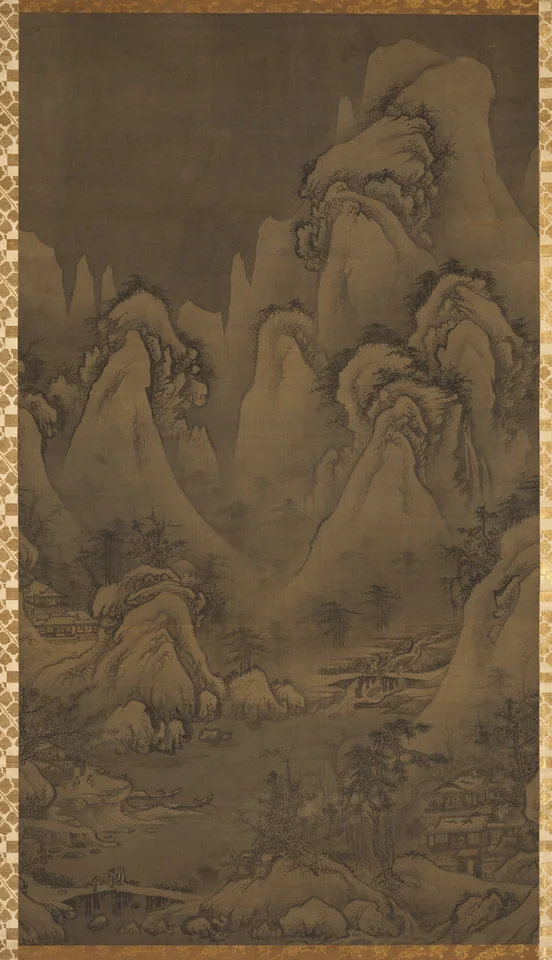
In the middle Joseon period (16th–17th centuries) the Zhe school (浙派), which came from Zhejiang in Ming China, is said to have been the most popular. It is marked by rough strokes and strong ink contrasts. Winter landscapes such as Kim Si’s Hallim jeseol-do and Yi Heunghyo’s snow landscape are explained as coming from this current. The first real work in this room, Winter Landscape (1500s) at the Cleveland Museum of Art, shows the mood of landscape in this period. The museum’s record names the painter as Yeoseol, and a seal can be read on it, so this room passes that record on as it stands. A dark ink sky, steep mountains and a small snow-roofed house sit together on one surface. In the Four Gentlemen of the same period, ink bamboo and ink plum took their place: Yi Jeong (李霆) and Yu Deok-jang (柳德章) are remembered for bamboo and Eo Mong-ryong (魚夢龍) for plum. Yi Jeong is given as 1554–1626, and some attributions of works to him call for caution.
In the 18th century Joseon turned its eyes to its own land. Jeong Seon (鄭敾, 1676–1759) is the leading painter of jingyeong sansuhwa (眞景山水畫), landscape painted from real places seen with his own eyes. His Complete View of Mount Geumgang (金剛全圖) is known as a work of 1734, and Clearing After Rain on Mount Inwang (仁王霽色圖) as a work of 1751. For rocky peaks Jeong used sujikjun (垂直皴), strokes that fall straight down, and for earthy hills he built up wet ink in layers, jeongmuk (積墨), and rice-grain dots, mijeom (米點). It is the grammar of ink learned from China, laid onto Korea’s own mountains. Kang Se-hwang (姜世晃, 1713–1791), on the other hand, criticised formulaic true-view painting and drew realistic landscapes with a hint of Western method; his pupil was Kim Hong-do (金弘道). Sim Sa-jeong (沈師正, 1707–1769) carried on the Southern school (南宗畫), and Yi In-mun (李寅文), Yun Je-hong and Jeong Su-yeong painted light, fresh landscapes in thin colour wash, damchae (淡彩).
Literati painting, munhwa-in (文人畫), is made not by professional painters but by scholars who read books. What matters is not copying a shape exactly but putting the mind’s intention into it, sa-ui (寫意). A poem inscription, hwaje (畫題), often goes beside the picture. This idea connects to the Northern and Southern schools theory (南北宗論) set out by Su Shi (蘇軾) and Dong Qichang (董其昌) in China. In late Joseon the leader of this current was Kim Jeong-hui (金正喜, 1786–1856). Kim believed a picture should carry the breath of calligraphy and books, seogwongi (書卷氣). In 1844, while in exile on Jeju Island, he painted Sehando (歲寒圖) and gave it to his pupil Yi Sang-jeok. Heo Ryeon (許鍊) and Jo Hui-ryong (趙熙龍) carried the line on, and the Four Gentlemen became more than a pastime: a way of training the spirit. Pictures of them multiplied because Chinese painting manuals such as the Mustard Seed Garden Manual (芥子園畫傳) reached Joseon and gave learners models. That manual first appeared in 1679 and was completed by 1701.
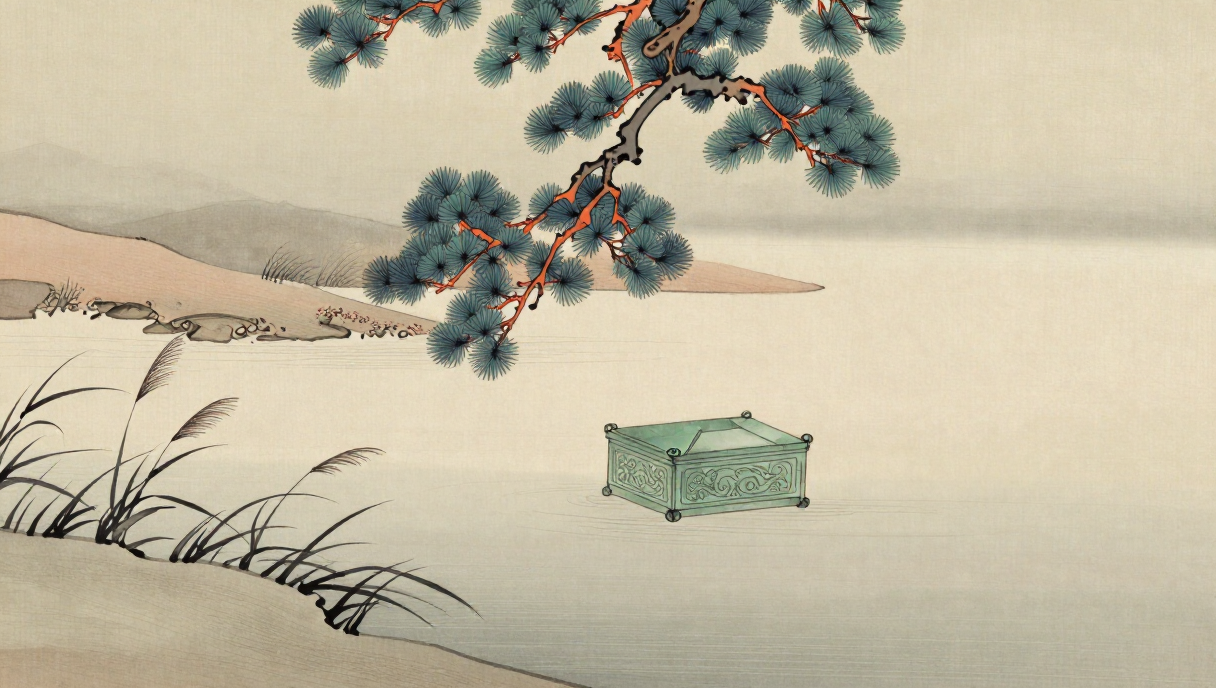
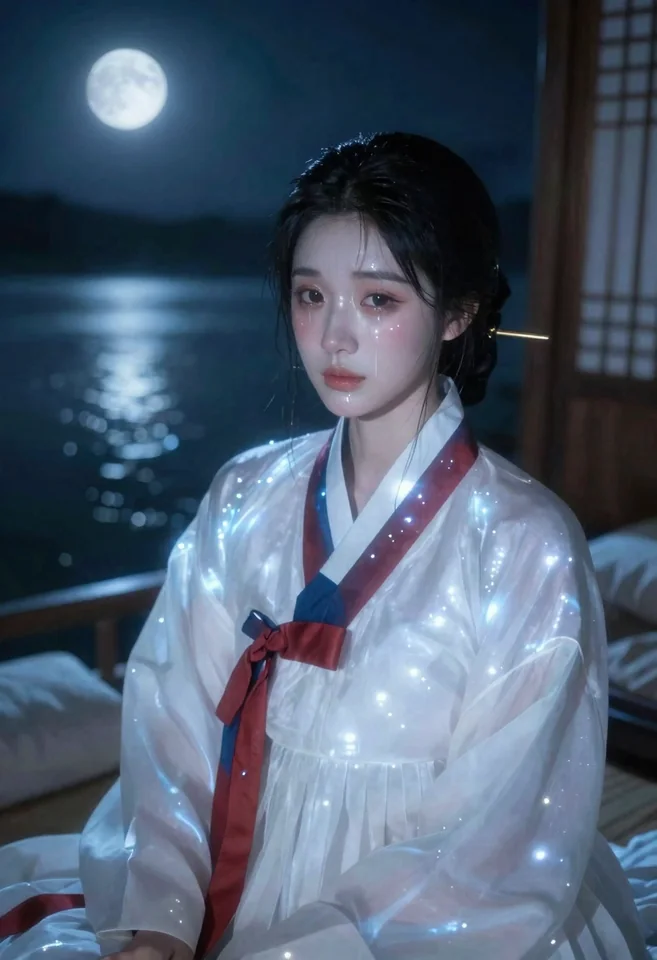
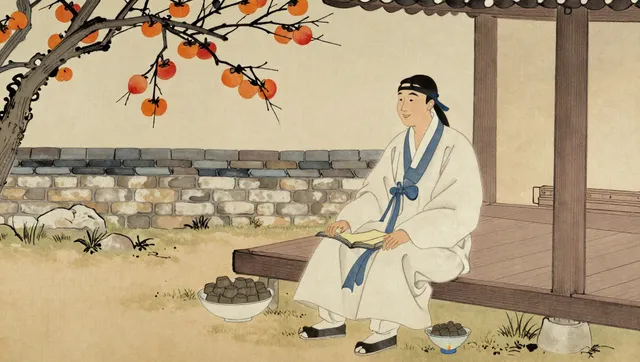
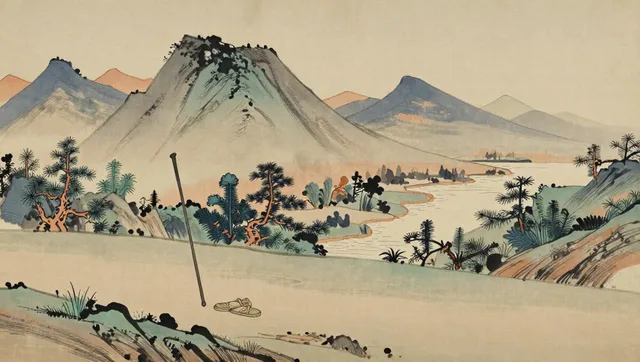
In late Joseon Jang Seung-eop (張承業, 1843–1897) is counted as the last great master. Yi Ha-eung (李昰應, 1820–1898), father of King Gojong, served as regent from 1866 to 1873 and used the art name Seokpa (石坡). He was skilled at orchids, and the Cleveland Museum of Art holds an eight-panel screen, Orchids and Rocks, painted in 1897–98. The museum reports that the screen carries a note that it was painted for a high minister named Yangwon. In the early 19th century lesser-known painters such as Choe Seok-hwan also painted grapevines on large screens. When Western painting and photography arrived in modern times the place of ink painting changed, but sumuk did not disappear. Even today, tonal range of ink, strength of the brush and the taste of empty space remain the basics in the teaching and exhibiting of Korean painting. The AI interpretations in this room read that grain of ink again with today’s eyes. They are not originals.