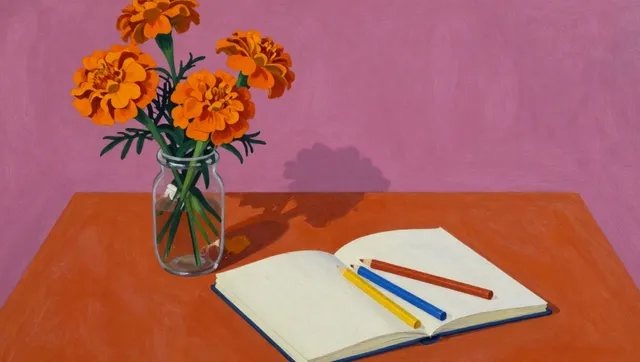
Gouache is a water-based paint made opaque by mixing pigment with water and gum arabic or dextrin, sometimes adding a white powder such as chalk as a "body". The name comes from the Italian guazzo, meaning "mud", and settled in eighteenth-century France as the word for opaque watercolour. Paints of this kind have been in use for at least twelve centuries, and after the metal paint tube was invented in 1841 they became easy to carry. Gouache dries to a matte surface that does not reflect light, and it dissolves again when wetted, so it spread widely into posters, illustration, comics and even the backgrounds of cel animation. Light tones tend to dry a little darker and dark tones a little lighter, which is another trait of this paint.
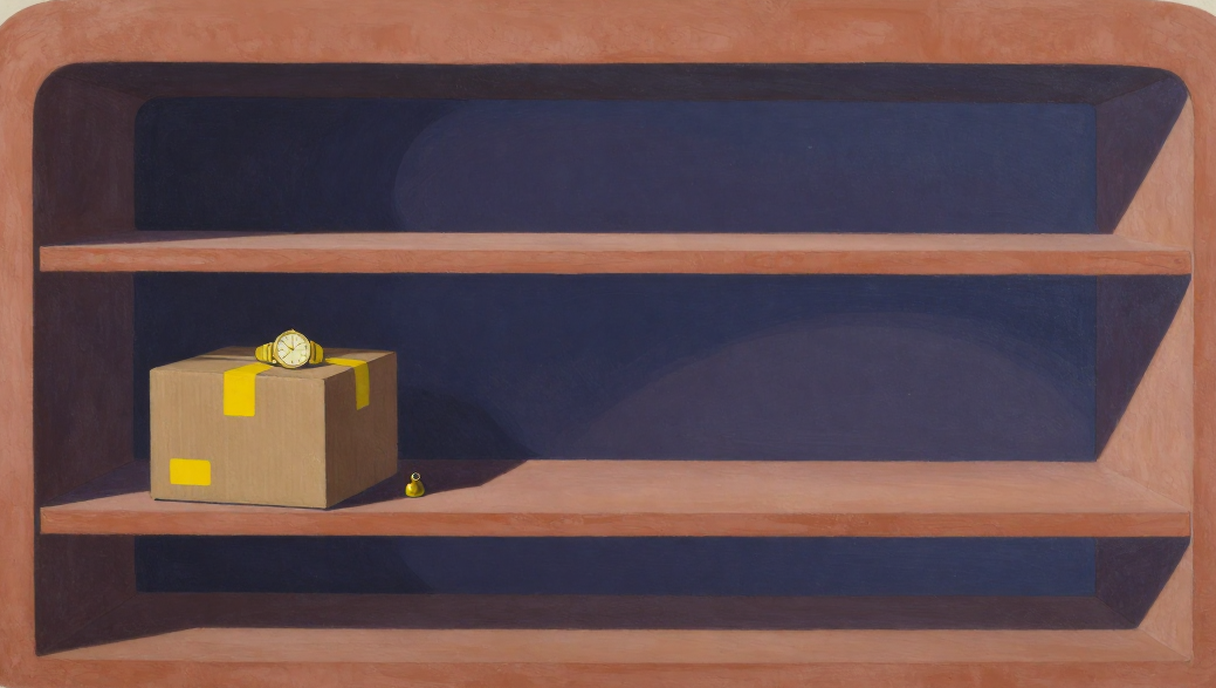
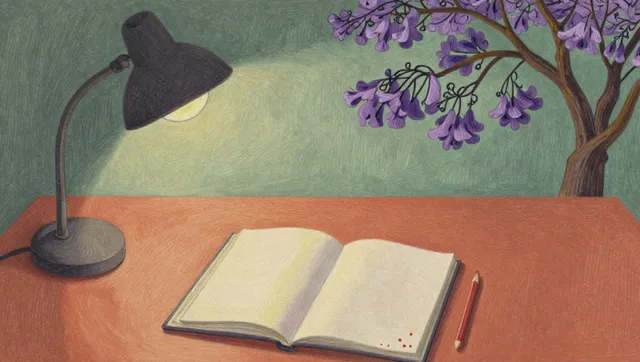
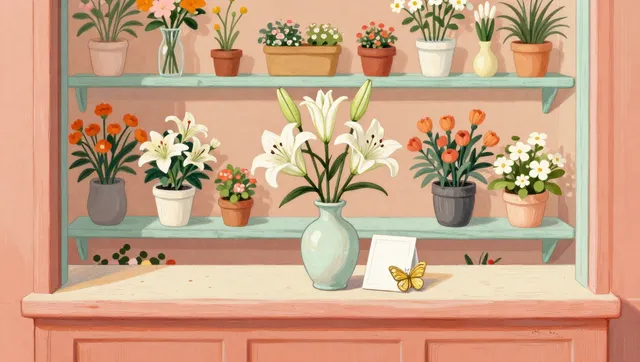
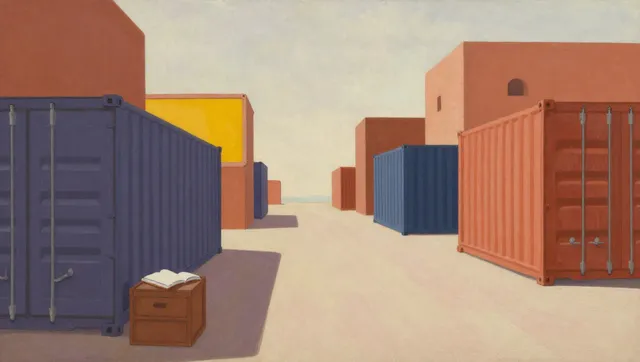
Mexico City Gouache is not an official school of art history. It is the name this room gives to a way of working shared by today's painters and illustrators who draw this city. The rules are simple. First, walls, sky and shade are painted as flat planes in which brush marks hardly show. Second, warm wall colours such as terracotta, salmon pink and lilac are set against indigo and deep blue shade. Third, yellow appears in only one place per scene. Fourth, people are left out, and a single object such as an arch, a shutter or a box carries the story. The AI interpretations in this room apply these four rules to scenes from Leo's chronicle.
The habit of sitting in the street and drawing on location spread around the world through the Urban Sketchers movement, which began on the photo-sharing site Flickr in 2007. Gabriel Campanario, a Spanish-born journalist and illustrator working in Seattle, started the group, and it became a nonprofit organisation in December 2009. Its manifesto opens with "We draw on location", and its motto is "We show the world, one drawing at a time!" This way of working, sitting in the street with a small sketchbook and a portable paint box, suited gouache well. Gouache dries quickly and is easy to paint over, so a whole wall can be finished before the sunlight changes.
Hand-painted signs, rótulos, can still be found on Mexican streets. Specialised artisans spend days painting a shop's name and pictures onto its wall; in Spanish the craft is called rotulismo, and it is done freehand or with stencils. After the Revolution, sign painting settled in as the trade that announced shops, and it remains a living occupation in working-class and middle-class neighbourhoods. Another street colour is papel picado, a paper decoration made by stacking forty to fifty sheets of thin coloured tissue, laying a template on top and punching out patterns with a mallet and small chisels; it hangs over Day of the Dead altars and at national independence festivals. This genre's feel for flat bright colour and crisp silhouettes is close to such street handwork.
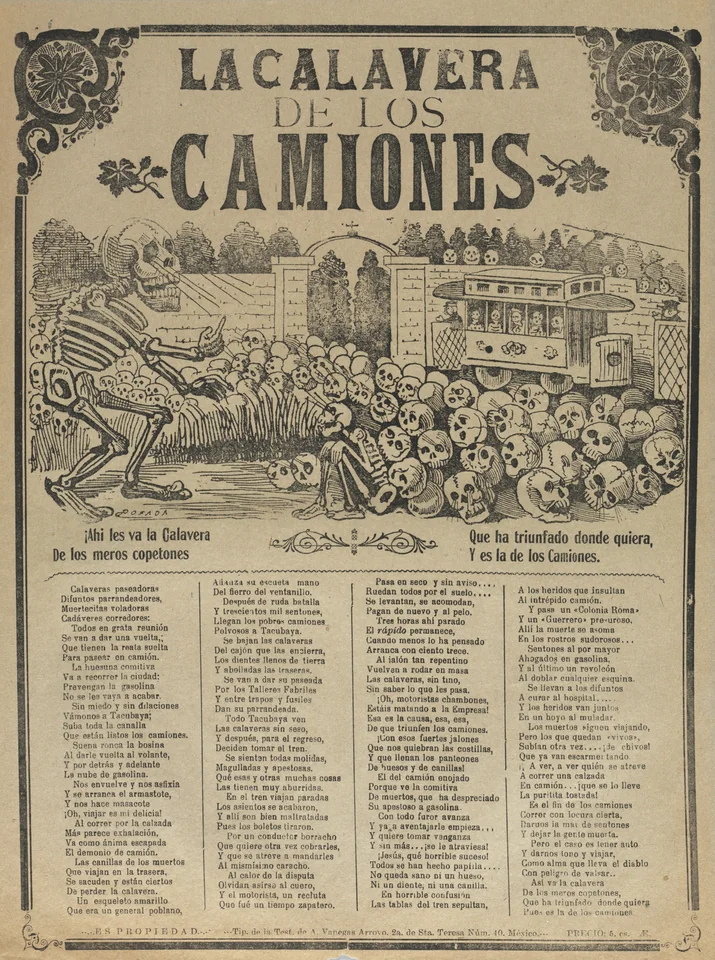
A great root of Mexican popular graphics is the printmaker José Guadalupe Posada (1852–1913). Born in Aguascalientes, he moved to Mexico City at the end of 1888 and teamed up with the publisher Antonio Vanegas Arroyo, filling cheap single-sheet prints sold in the street (broadsides) and book covers with images engraved on lead and zinc plates. He is remembered above all for calaveras, skeleton figures paired with satirical verse, and his most famous image is "La Calavera Catrina" in her feathered hat. In 1937 Leopoldo Méndez, Pablo O'Higgins and Luis Arenal founded the print workshop Taller de Gráfica Popular (TGP), which spread social causes through prints, and the workshop is still active today.
The sense of a wall as colour in itself is clearest in the architect Luis Barragán (1902–1988). The house and studio he built in 1948 in the suburbs of Mexico City became a UNESCO World Heritage Site in 2004, and UNESCO explains that in this building colour is essential to form and materials. Thick walls painted pink, yellow and violet and empty courtyards filled with light already look like buildings inside a painting. Barragán took advice on colour schemes from Jesús "Chucho" Reyes Ferreira (1880–1977), a self-taught painter and collector, and in the 1950s the two worked together in San Ángel. Barragán received the Pritzker Prize in 1980. The terracotta walls and lilac garden walls in this room recall this lineage of colour architecture.
Where, then, does the single yellow spot in every scene come from? It comes not from art history but from this room's story. In Leo's chronicle, the boxes in his father Ricardo's warehouse carried yellow stickers on which the dates of arrival, inspection and dispatch were filled in by hand. So the AI interpretations in this lane place one yellow object in each scene, like a mark that keeps the date. The purple jacaranda in the street scene is a real sight of Mexico City; the many jacarandas in the city are said to trace back to designs by the Japanese gardener Tatsugoro Matsumoto. Keeping real history and story symbols apart makes the pictures read more clearly.