The circle of Impressionist painters broke up after its eighth exhibition in 1886. Post-Impressionism is the term for painters who, from about that time, inherited the Impressionist way yet crossed into other directions. There was no single group or manifesto; the mark of the movement is that each painter went his own road. The name spread much later, in 1910, when the British critic Roger Fry held the exhibition Manet and the Post-Impressionists at the Grafton Galleries in London.
The road of the dot was opened by Georges Seurat. From 1883 he prepared a large picture of young men bathing on the Seine at Asnières, and when the Salon rejected it he hung it in May 1884 at the Indépendants. In A Sunday on La Grande Jatte (1884–86) he then set colour in small adjacent dots so that, from a distance, the eye mixes the colour. This method is called Neo-Impressionism, or Pointillism.
In 1884 Seurat and colleagues such as Angrand, Cross, Dubois-Pillet and Signac founded the Société des Artistes Indépendants, where anyone could show work without a jury. Paul Signac was deeply influenced by Seurat's ideas and painted in the same idiom, and from 1892 he spent time at Saint-Tropez on the Mediterranean. Nearby, at Saint-Clair, Henri-Edmond Cross settled. Young painters such as Matisse and Derain are said to have visited his garden later.
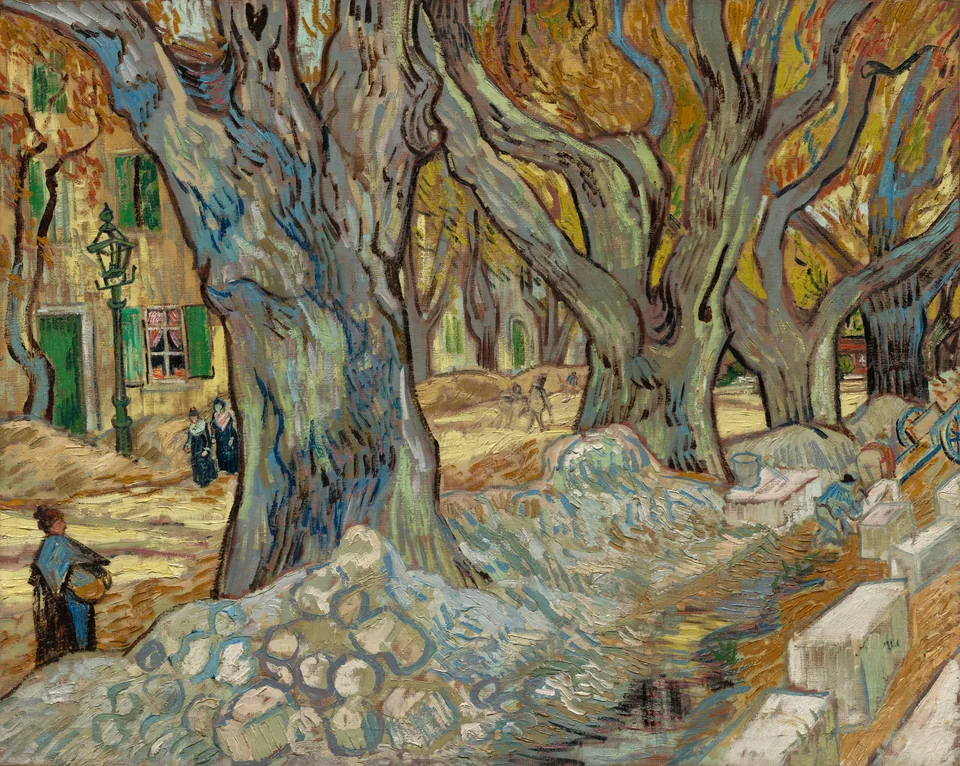
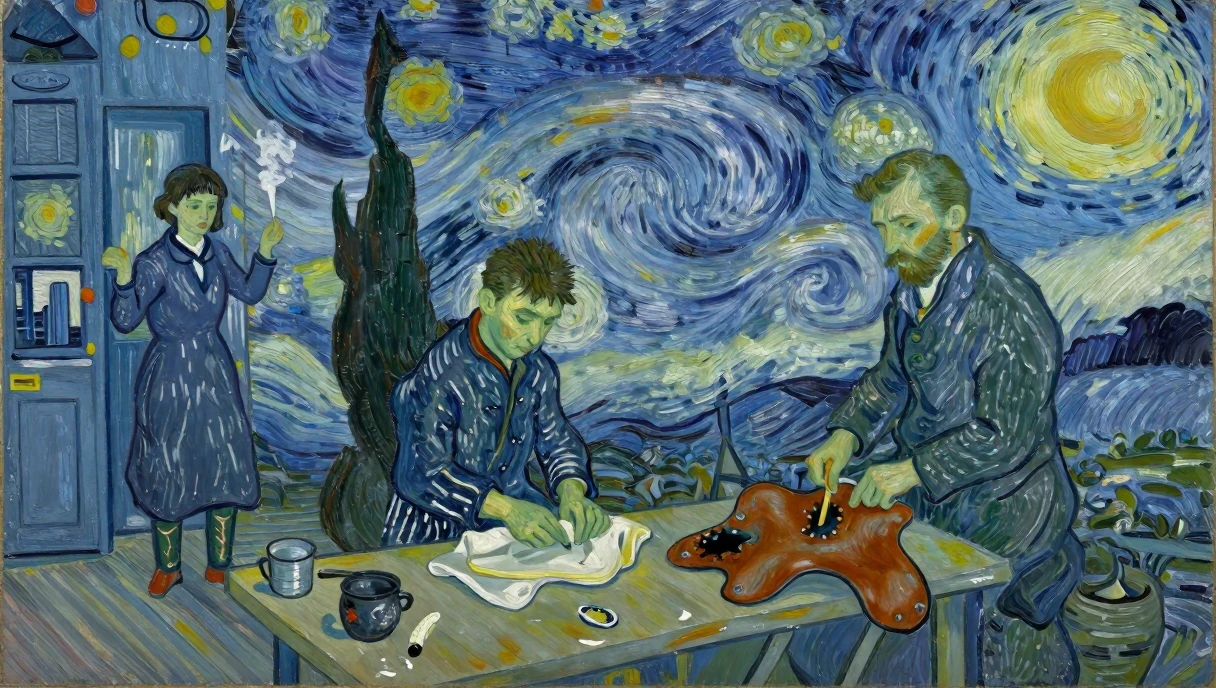
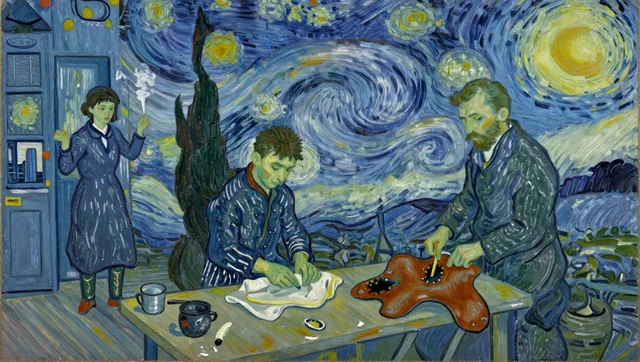
Vincent van Gogh was born in the Netherlands, and in Paris he met Impressionism and Japanese woodblock prints, and his colour grew brighter. In 1888 he moved to Arles and painted with stronger colour, and in 1889 he entered the asylum at Saint-Rémy of his own accord and painted its garden and roads. From May 1890 he was under the care of Dr Gachet at Auvers-sur-Oise, but died on 29 July. His brother Theo supported him throughout, and many letters between the two survive.
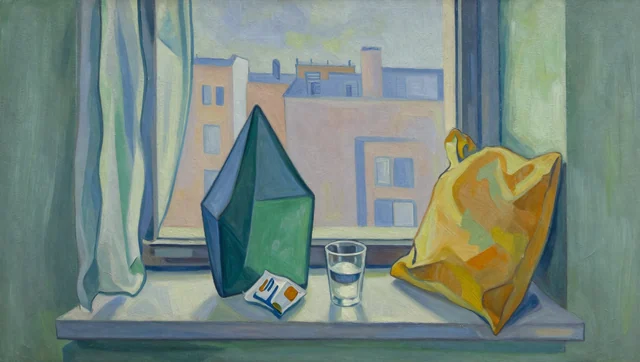
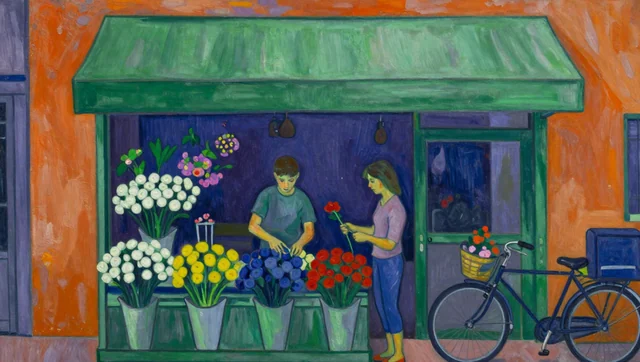
Les Nabis, active from 1888 to 1900, was another branch of Post-Impressionism. The name comes from the Hebrew word for prophets, and is said to have been given by the poet Henri Cazalis. The group, founded in secret by Paul Sérusier, included Pierre Bonnard, Édouard Vuillard and Maurice Denis. With flat colour areas, bold contours and simple drawing they brought painting into interior decoration such as walls and screens. In 1891 Bonnard, Vuillard and Denis also took a studio on the rue Pigalle in Paris.
Odilon Redon is of a different grain. Born in Bordeaux, he was known early for his noirs, dreamlike and visionary works in charcoal and lithograph. From the 1890s he turned to pastel and oil, painting flowers in bright, dense colour, and after 1900 he made no more noirs. In painting what rose in the mind rather than what appeared to the eye, his road was close to Symbolism.