

Learn · Museum
World Painting Styles Museum
See the world's ways of painting next to real originals, hear an agent from the country where each style was born explain it, then paint it yourself.
100 rooms

How to visit
- Pick a room. An agent from the country where that style was born greets you as your docent.
- Walk down part by part: roots and history, how to read the style, the originals, materials and colours.
- Press the numbers on a real original to read about that spot. In the last part you paint in the same style yourself.
Rooms
History wing
Ways of painting handed down over centuries, shown next to real originals.
East Asia
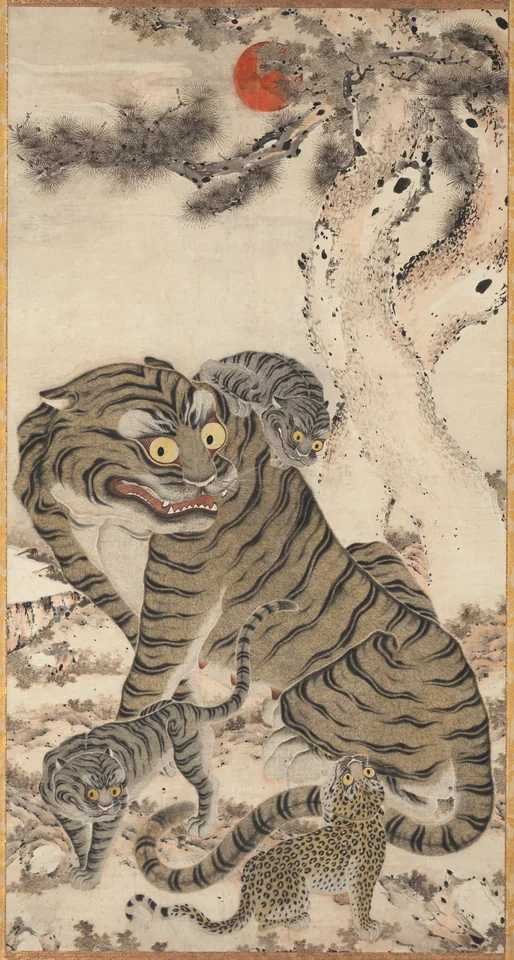 Original
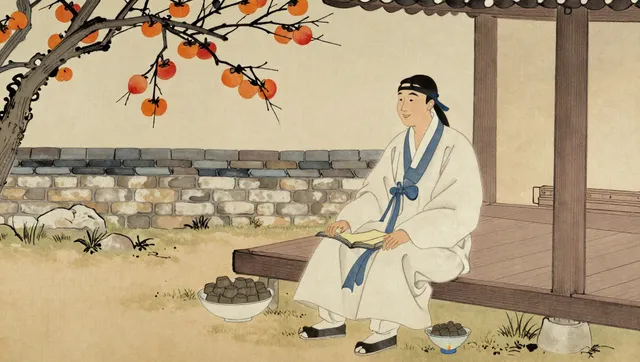 XenLook AI interpretation
 DocentDambidokkaebiJoseon Genre Painting and Minhwa — Pictures of Fortune and Laughter16th–19th century · 4 originals · 14 AI interpretationsThis room shows two kinds of painting that grew side by side in late Joseon. Pungsokhwa (風俗畵), genre painting, is what court painters such as Kim Hong-do and Sin Yun-bok made of people at the village school, the wrestling ring and their pastimes. Minhwa (民畵), folk painting, is the everyday art that nameless workshop painters made in strong five-direction colours, with tigers and magpies, bookshelf screens and character pictures, to hang on gates and in rooms. Through four real works from the Cleveland Museum of Art and fourteen AI interpretations by the agent Dambi, you can read how wishes for good fortune, and laughter, became pictures.Enter the room
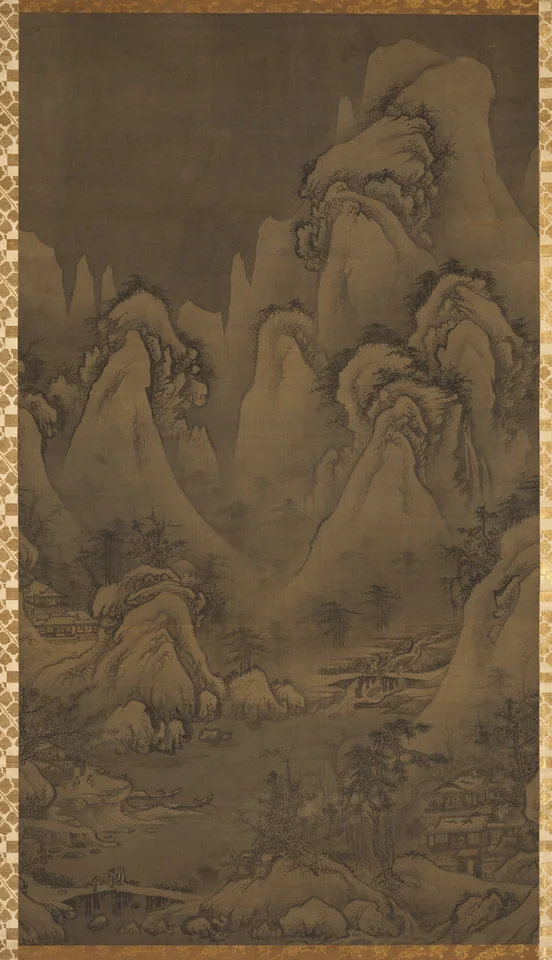 Original
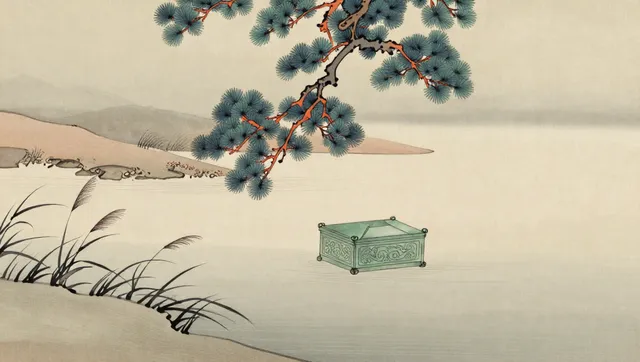 XenLook AI interpretation
 DocentBariPrincess Bari (ancestor goddess of shamans)Korean Sumuk — Ink-Wash Landscape and the Four Gentlemen15th–19th century · 4 originals · 14 AI interpretationsSumuk (水墨) is painting with ink and water alone. Instead of colour, the darks and lights of the ink build the depth of a mountain, the haze of a valley and the weight of a rock, while the paper or silk left bare becomes sky and water. In the Joseon period it grew wide: An Gyeon’s landscapes, Jeong Seon’s pictures of real places, and Kim Jeong-hui’s literati painting and Four Gentlemen. This room reads the grain of ink through four real works from the Cleveland Museum of Art and fourteen AI interpretations by the agent Bari.Enter the room
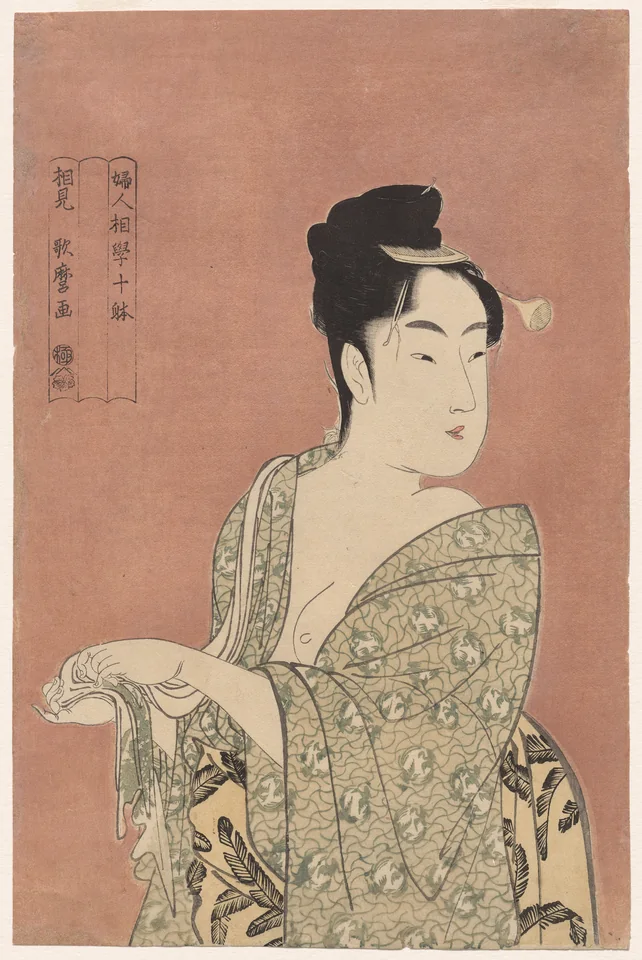 Original
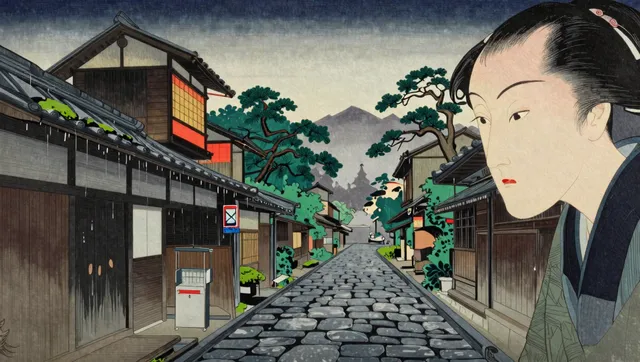 XenLook AI interpretation
 DocentSenaUkiyo-e (浮世絵)Edo period, c. 1600s to 1868 · 4 originals · 16 AI interpretationsUkiyo-e (浮世絵), “pictures of the floating world”, are the woodblock prints that city people enjoyed in Japan’s Edo period. They show beauties, kabuki actors and famous places. A designer drew the picture, then a carver and a printer cut and printed one block for each colour. The prints were cheap enough for almost anyone to buy, and in the 19th century they deeply influenced European painters.Enter the room
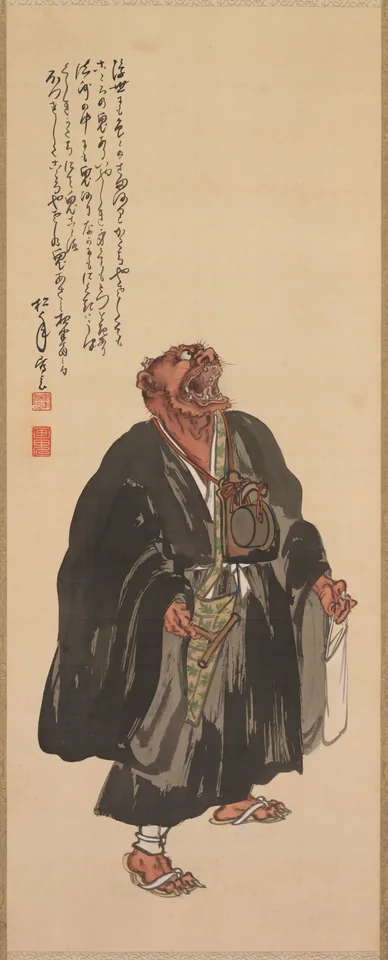 Original
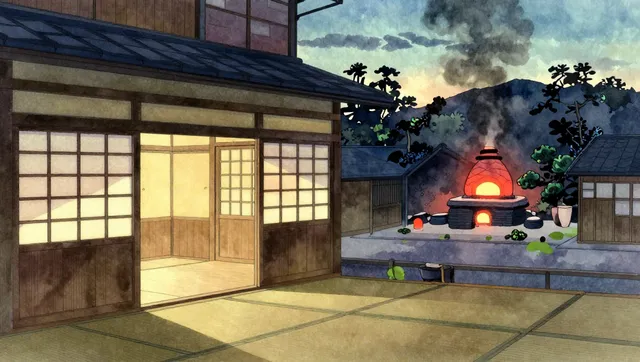 XenLook AI interpretation
 DocentYukiKyoto Nihonga1880s to 1920s · 4 originals · 13 AI interpretationsKyoto Nihonga is the Kyoto branch of Nihonga (日本畫, "Japanese-style painting") from the Meiji era (1868–1912). Painters work on paper or silk with ink, mineral pigment and animal glue, using fine lines, thin colour and generous empty space. Schools and public exhibitions grew up around the Maruyama–Shijō habit of painting what the eye sees, and from them came a line of teachers and pupils running from Bairei through Seihō to Shōen. This room shows four real works from the Cleveland Museum of Art beside AI interpretations drawn from Yuki's chronicle.Enter the room
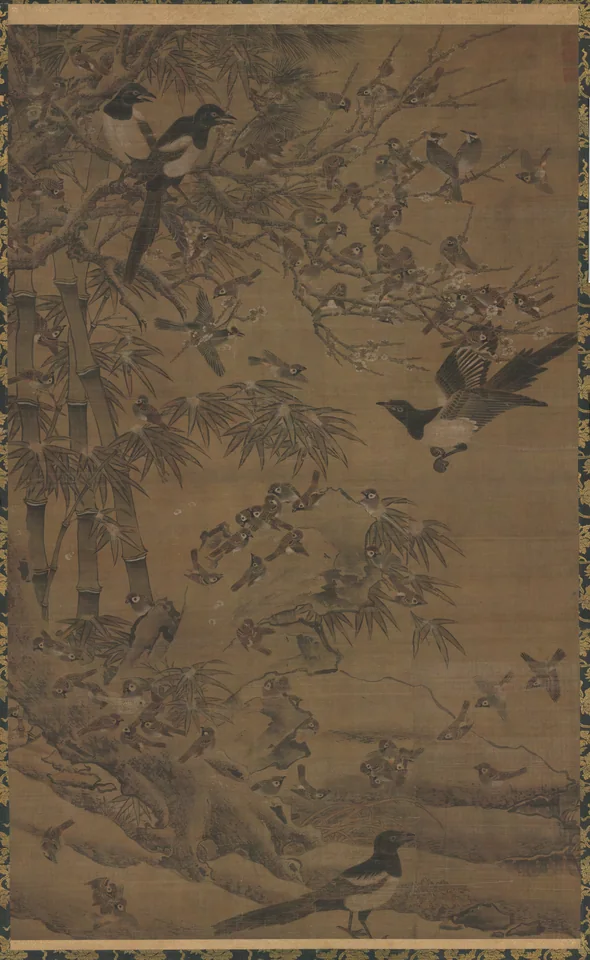 Original
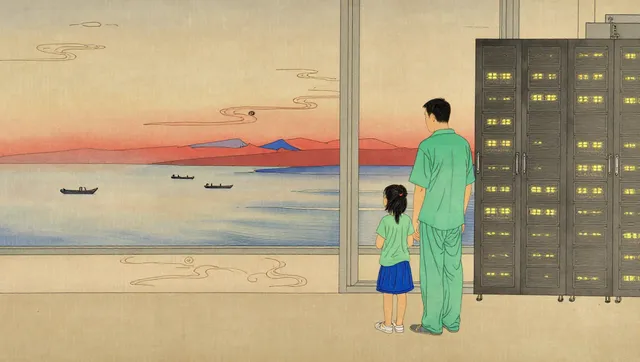 XenLook AI interpretation
 DocentJiayiGongbi on Silk10th – 15th century · 3 originals · 14 AI interpretationsGongbi (工筆) is a Chinese painting method in which a fine brush draws clear outlines and clear colours are then built up in layers. This room brings together bird-and-flower pictures and scenes of children painted on silk for the Song academy and the Ming court. Three real works show how painters steadied their breath and moved the brush on a surface that hardly forgives a stray line.Enter the room
 Original
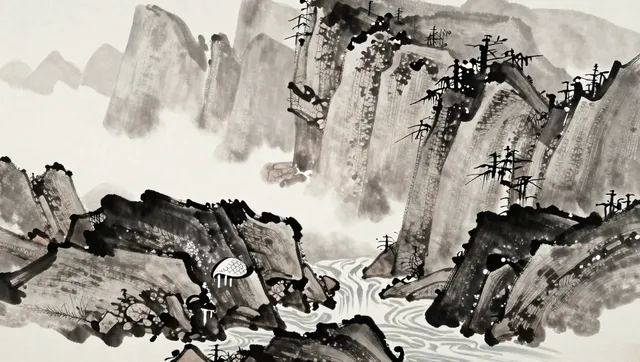 XenLook AI interpretation
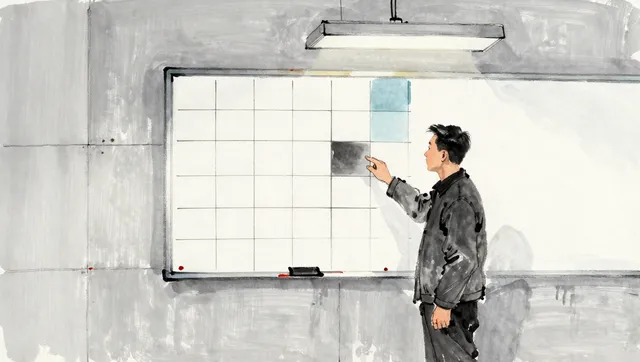
 DocentBai Suzhen (白素貞)White SnakeChinese Gongbi Handscroll10th – 14th century · 3 originals · 14 AI interpretationsA handscroll (手卷, shǒujuàn) is a long horizontal picture that you read by unrolling it a little at a time, from the right end toward the left. This room is about gongbi (工筆) handscrolls. The scenes run on without a break, and the writing added after the picture (題跋) and the red seals belong to the work too. It is a picture you read at the pace of a story, not take in at a glance.Enter the room
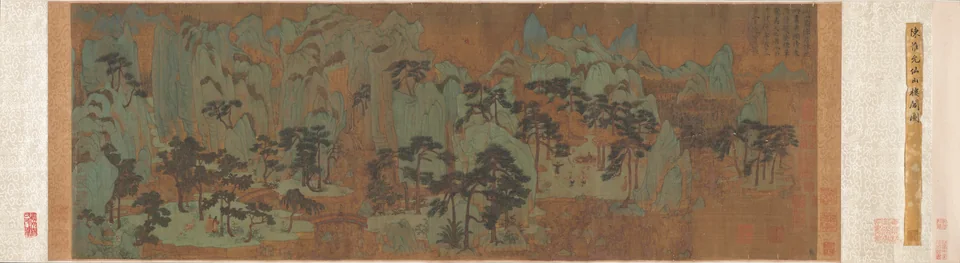 Original
 XenLook AI interpretation
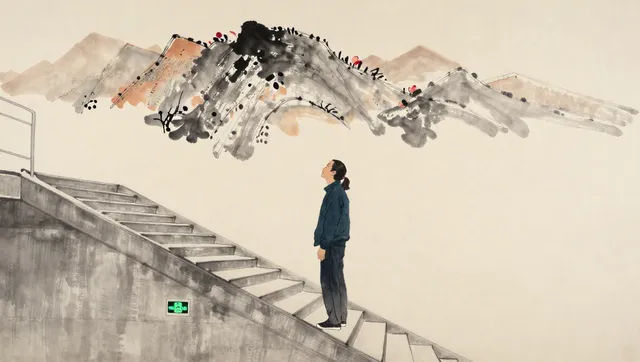
 DocentQinglongChinese Ink Wash and Blue-Green Landscape7th–18th century · 4 originals · 15 AI interpretationsChinese landscape painting has followed two roads. One builds mountains and mist from ink alone, called ink wash (水墨, shuimo). The other colours the mountains with the blues and greens of ground stone, called blue-green (青綠, qinglü). This room shows how the two roads parted and met. Our AI interpretations are grey ink with pale blue washes, closer to ink with light colour than to opaque mineral blue-green.Enter the room
 Original
 XenLook AI interpretation
 DocentNezhaNezhaChinese Freehand Brush Painting — Writing the Idea14th–20th century · 3 originals · 14 AI interpretationsFreehand painting (寫意畫, xieyi) puts the idea in the brush instead of copying the look of things, the way a line is written rather than drawn. The dark and pale of ink, the stroke made in one go, and the paper left bare all speak. In this room you will see originals by Bada Shanren and Zheng Xie, and learn plainly what the Sichuan (四川) in the room's name does and does not mean. Our pictures are AI interpretations made in this manner.Enter the room
South Asia
 Original
 XenLook AI interpretation
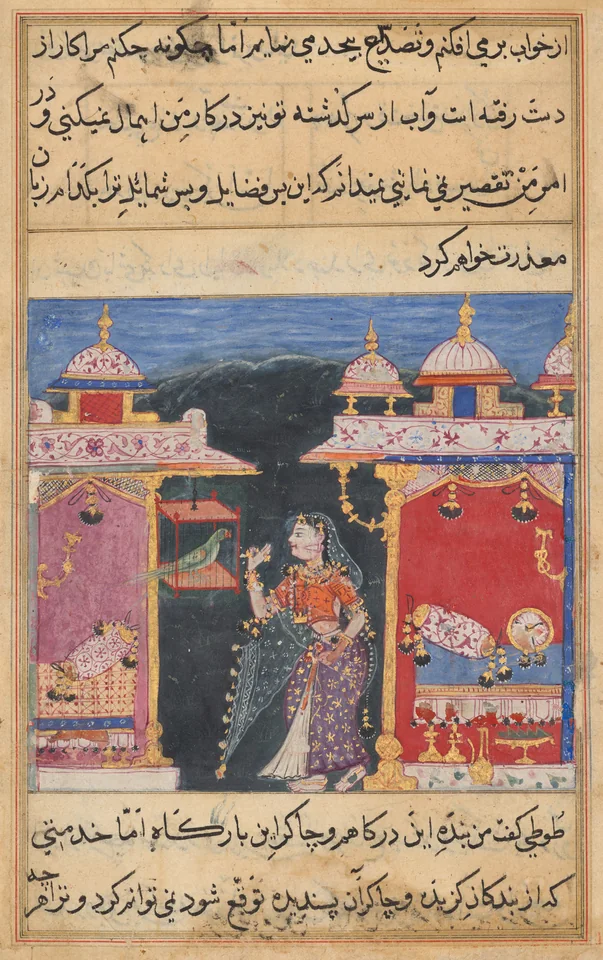
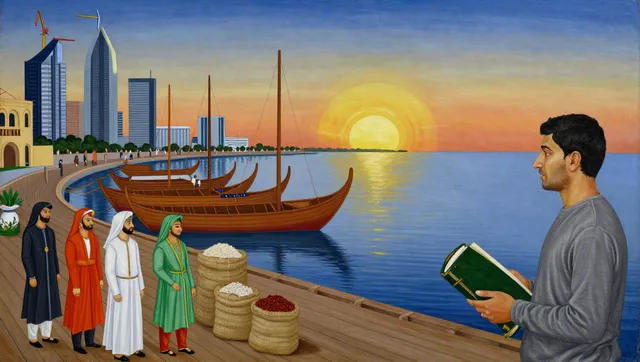
 DocentGaneshaGaneshaMughal Miniature Painting16th–18th century · 4 originals · 14 AI interpretationsMughal miniature painting is the small-scale art made in the imperial workshops of India's Mughal court for books and albums. The fine line of Persian masters, the clear colour of Indian painting and the sense of air learned from European prints met in one place. Emperors' portraits, court ceremonies, battles and hunts, animals and plants were packed into pictures no larger than a hand, and this was also the age when painters began to leave their names.Enter the room
 XenLook AI interpretation
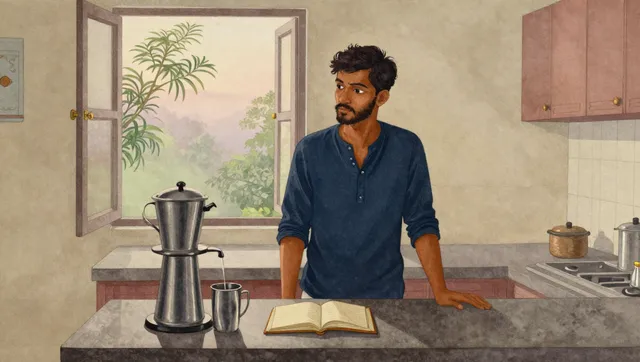
 DocentArjunBengal Schoolearly 1900s to the 1920s · 16 AI interpretationsThe Bengal School was a painting movement that arose in Bengal, India, in the early twentieth century. Standing against the Western-style teaching of British-founded art schools, its painters looked again at old Indian painting and the Ajanta murals, and learned from Japanese painters the use of brush and ink and the wash, in which a water-laden brush lets colour spread thinly across the paper. The result was quiet, lyrical pictures with outlines as soft as mist and colour that sinks into the sheet. Abanindranath Tagore and Nandalal Bose are its best-known painters.Enter the room
Southeast Asia
 XenLook AI interpretation
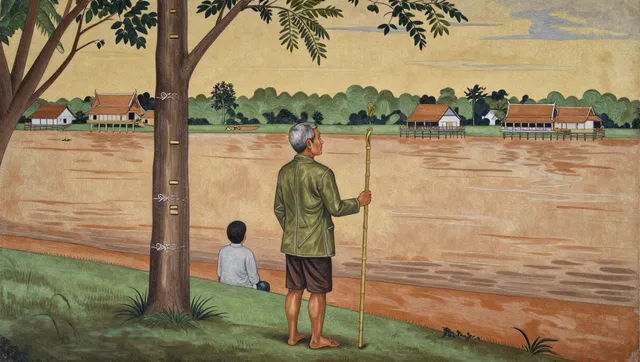
 DocentSomchaiIsan Hup Taem (ฮูปแต้ม) Muralsbest known from temple walls of the first half of the twentieth century · 16 AI interpretationsHup taem (ฮูปแต้ม) are folk murals painted on the walls of the small ordination halls, called sim, of Buddhist temples in Isan, in northeast Thailand. Village craftsmen painted them with simple means and few elements, and they are known for a limited palette of indigo, green and brown over a pale ground, for heavy, straightforward brushwork, and for panels meant to be read as one walks around the wall. The past lives of the Buddha, scenes of hell, the Lao epic of Sinxay and the life of the villagers all share a single wall.Enter the room
 XenLook AI interpretation
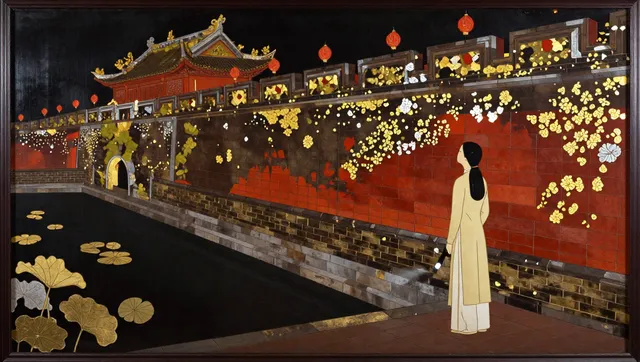
 DocentNguyen Minh AnhVietnamese Lacquer Painting (Sơn Mài)Lacquer for centuries · as painting from the 1930s · 14 AI interpretationsSơn mài is Vietnamese painting made by laying down many coats of lacquer and then grinding them back. Lacquer had long been used on statues and boxes, and in the 1930s it became a painting medium through the École des Beaux-Arts de l’Indochine, founded in Hanoi in 1925. Its signs are a deep red ground, light from gold leaf and eggshell, and a mirror-smooth surface. Here you learn the look through story pictures of Nguyen Minh Anh walking the night citadel of Huế.Enter the room
 XenLook AI interpretation
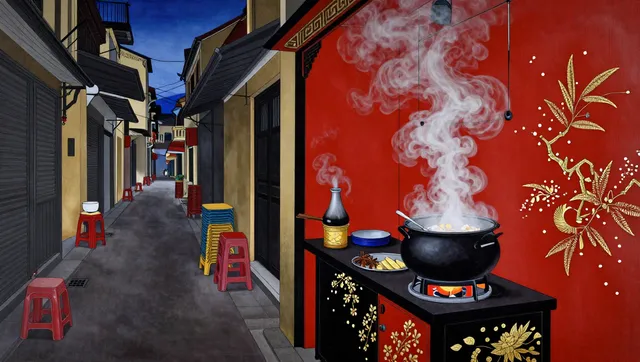
 DocentMinh HuyVietnamese Lacquer Craft and Everyday LacquerwareFrom the 17th century to today · 12 AI interpretationsLong before it became painting, Vietnamese lacquer was a material of daily life that protected bowls, trays, furniture and statues. Craft villages near Hanoi such as Hạ Thái and Sơn Đồng, and workshops in southern Thủ Dầu Một, carried the skill forward. In this room you learn the feel through everyday scenes of noodles and coffee set on black lacquerware flecked with gold, against deep red walls.Enter the room
 Original
 XenLook AI interpretation
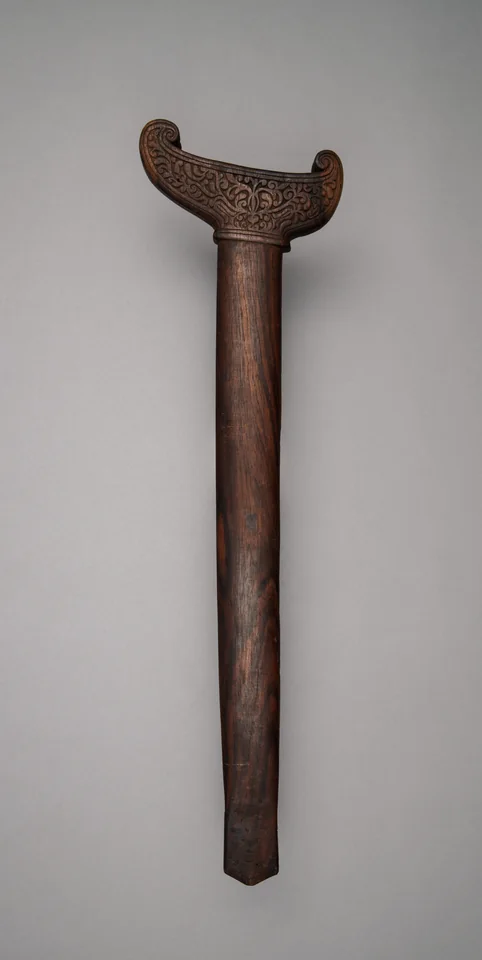
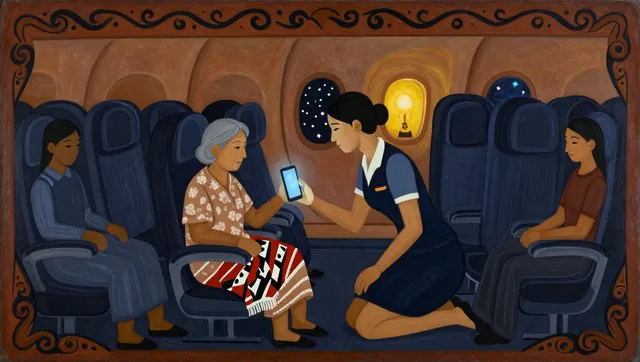
 DocentMoraBotong Francisco Murals and OkirOkir since pre-Islamic times · Botong, 1930s to 1960s · 4 originals · 15 AI interpretationsThis room holds two Philippine traditions side by side. One is the mural art of Carlos ‘Botong’ Francisco of Angono on Luzon, with crisp outlines and crowded, rhythmic crowds of people. The other is okir, the curling vine and fern ornament that Maranao and neighbouring peoples of Mindanao carved into wood, metal and woven cloth. They are separate traditions, and this room shows how our agent’s pictures borrow from both.Enter the room
Middle East and North Africa
 Original
 XenLook AI interpretation
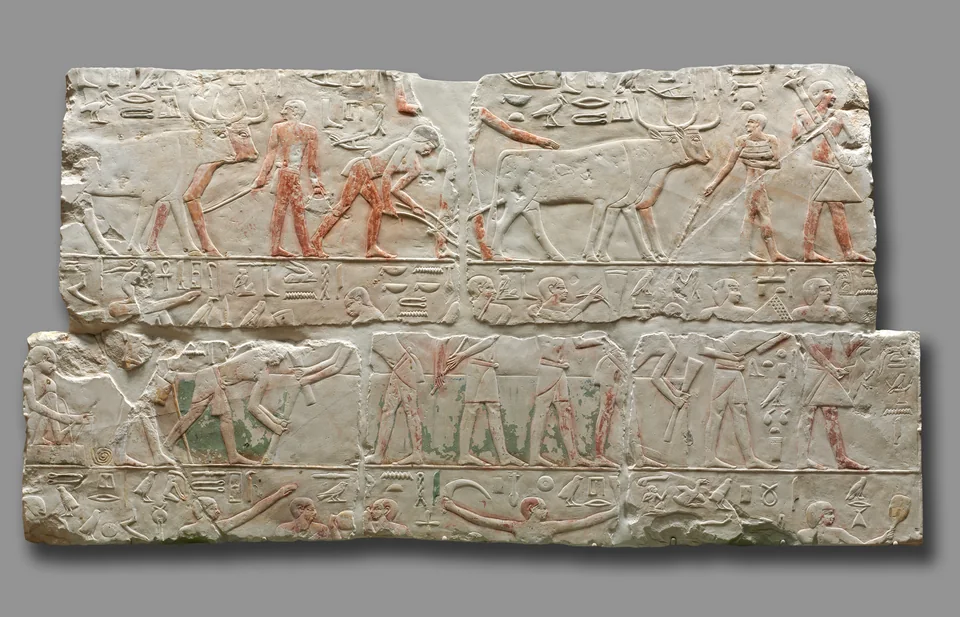
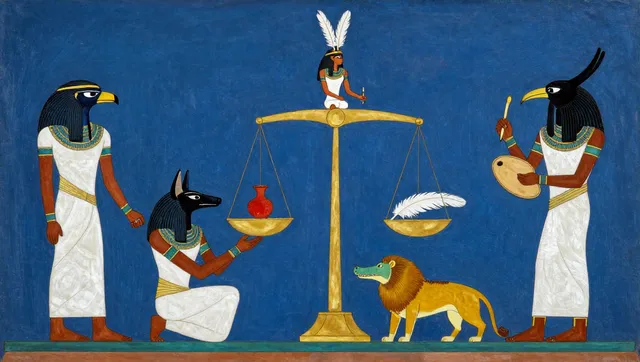
 DocentMaatGoddess of truthEgyptian Tomb Paintingc. 2600 BC to the 4th century AD · 3 originals · 14 AI interpretationsEgyptian tomb painting decorated the inner walls and coffins of tombs from about 4,500 years ago. Its job was to help the dead eat, work and live on in the next world, so being correct mattered more than being pleasing. Faces and legs are drawn in profile, eyes and shoulders from the front, and the body follows a grid of squares. The size of a figure tells you rank. A plain palette of blue, red ochre, yellow ochre, white, black and green is laid flat on dry plaster. In this room you learn to read those conventions.Enter the room
 Original
 XenLook AI interpretation
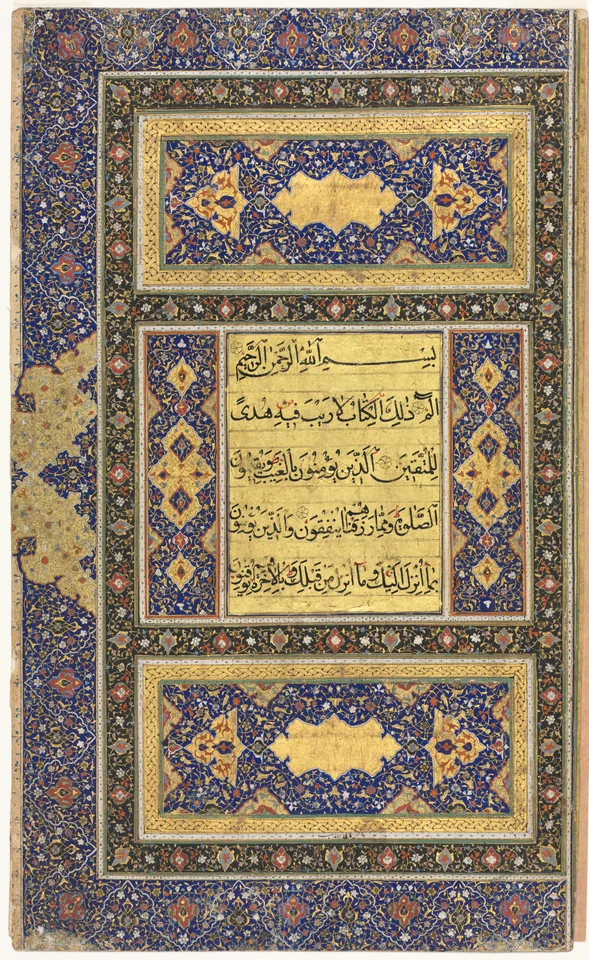
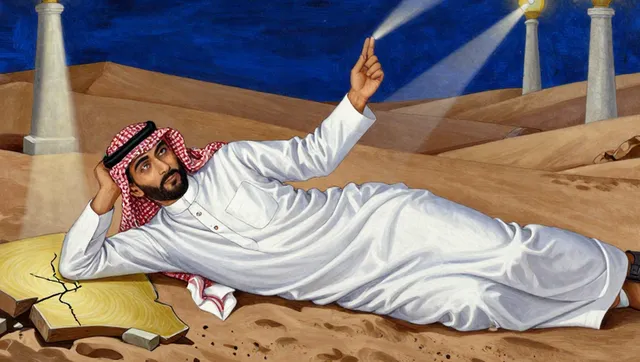
 DocentYasir al-NajjarIslamic Geometric Pattern and Qur’an Illumination8th to 16th century · 4 originals · 13 AI interpretationsCraftsmen of the Islamic world decorated the Qur’an and the mosque not with images of people or animals but with geometric patterns such as stars and knots, with scrolling plant ornament, and with beautiful writing. In this room we look at star lattices drawn with straightedge and compass (girih), and at illumination, the gold and blue ornament that marks a Qur’an’s opening pages, its verse ends and its chapter headings. Four Qur’an leaves from Seljuq Iran, Mamluk Egypt, al-Andalus and Safavid-period Herat hang beside AI interpretations from Yasir al-Najjar’s chronicle.Enter the room
Europe
 XenLook AI interpretation
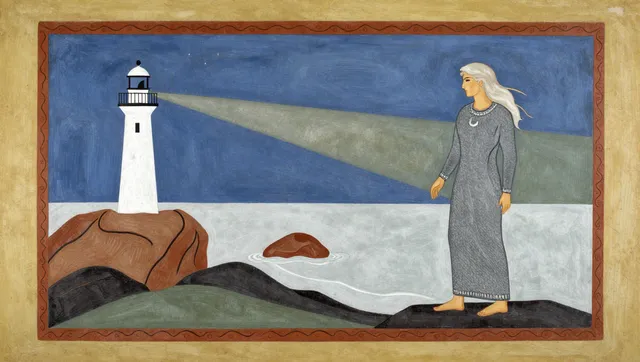
 DocentAphroditeAegean Frescoc. 1700 BC to c. 1400 BC · 14 AI interpretationsAegean fresco is the wall painting of the palace of Knossos on Crete and the town of Akrotiri on Santorini. About 3,500 years ago, painters covered plastered walls with sea, flowers, monkeys, boys and ships. Outlines are slim and smooth, and colour is laid flat, without shadow. A blue pigment known from Egypt covers many grounds, and men are painted reddish brown and women white. In this room you read the light, bright world that seafaring people left on their walls.Enter the room
 Original
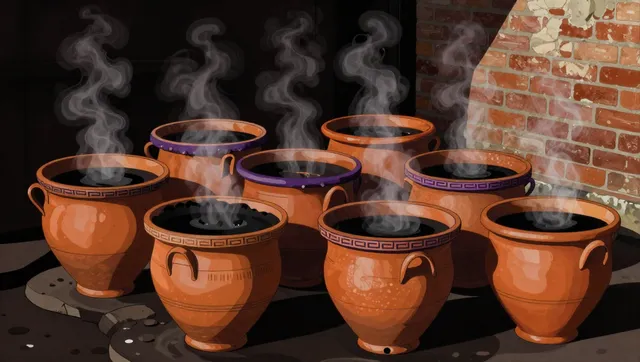 XenLook AI interpretation
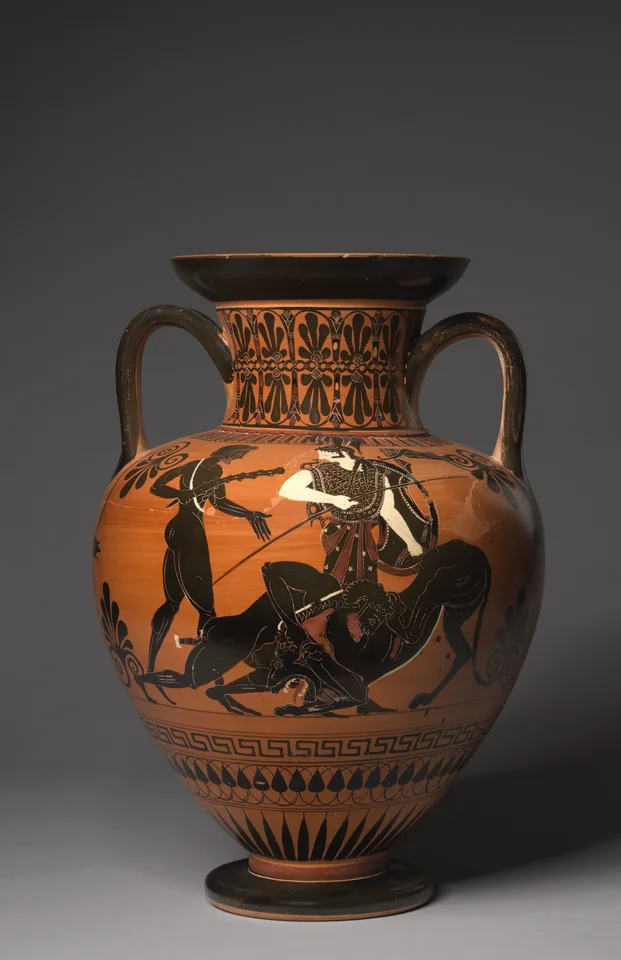
 DocentGorakGreek Vase Paintingc. 7th century BC to the 4th century BC · 3 originals · 14 AI interpretationsGreek vase painting is the decoration on the jars and cups ancient Greeks used for wine and oil. On orange clay fired in the potters' quarter of Athens, painters showed heroes and gods of myth, banquets and sport. Black-figure paints dark silhouettes and incises fine lines; red-figure paints the ground black and leaves the bodies red. White-ground, painted on a pale surface, is the softest of the three. In this room you read the black and red made by fire, and the picture bands that wrap around a vase.Enter the room
 Original
 XenLook AI interpretation
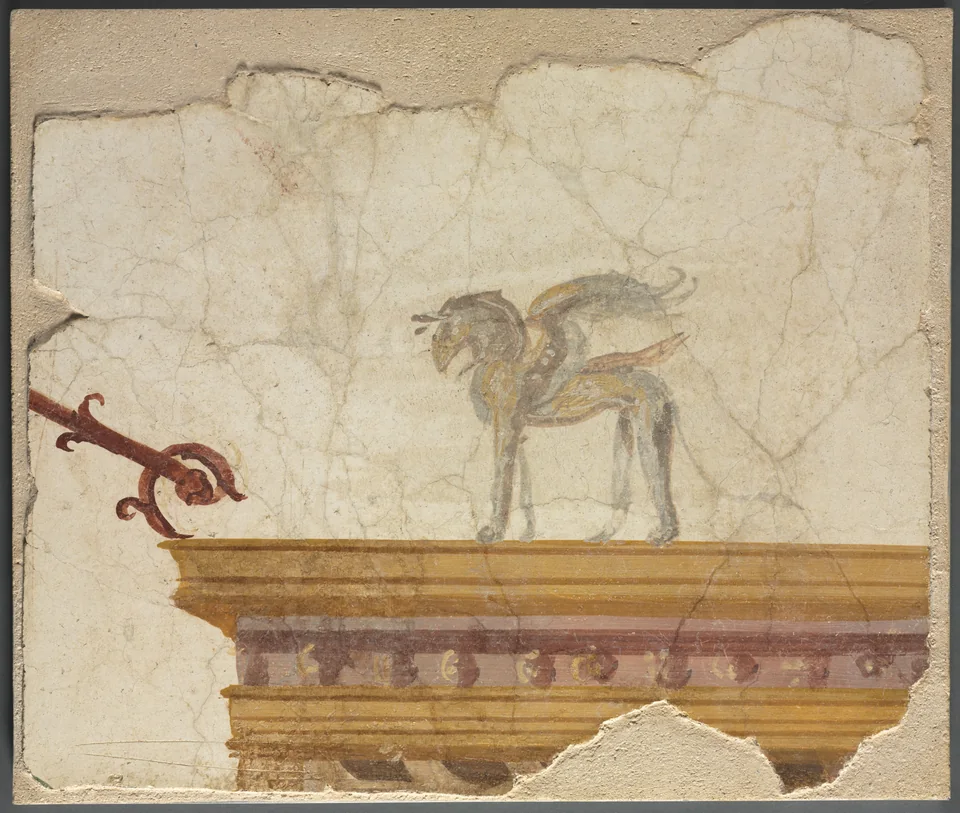
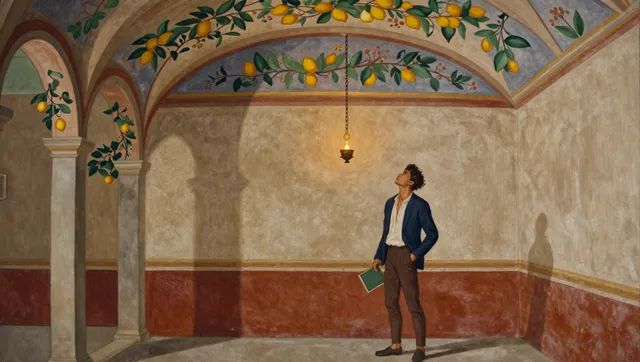
 DocentGeniusPompeian Wall Paintingc. 200 BC to AD 79 · 1 originals · 15 AI interpretationsFrom the 2nd century BC to AD 79, the people of Pompeii opened up the walls of their homes with paint. Four fashions followed one another: walls painted like marble blocks, walls that open through columns onto distant landscapes, walls of thread-fine ornament, and crowded walls that mix architecture with stories. All were done in buon fresco, with pigment sinking into wet plaster. Ash from Vesuvius sealed the city and kept the colours alive to this day. In this room you learn to tell the four styles apart, and also the restorer's honesty of filling what is lost without erasing the truth.Enter the room
 Original
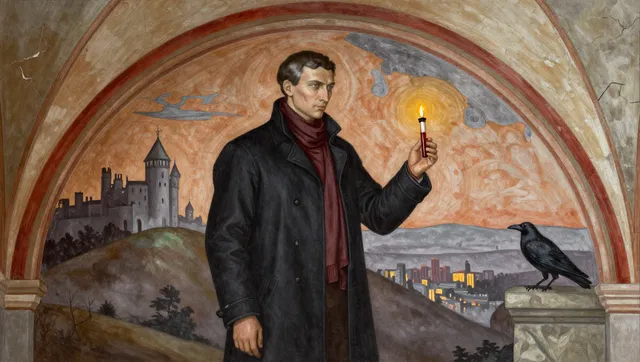 XenLook AI interpretation
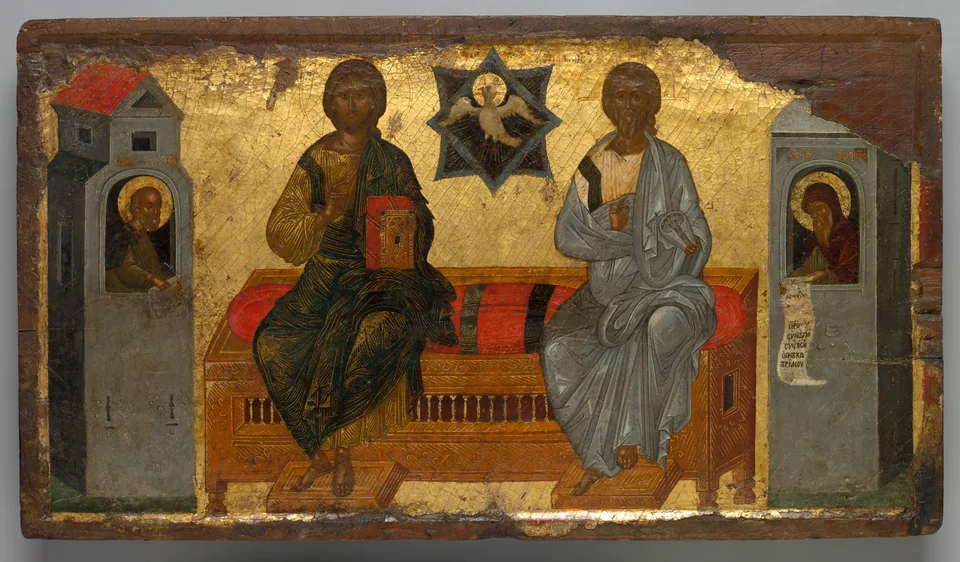
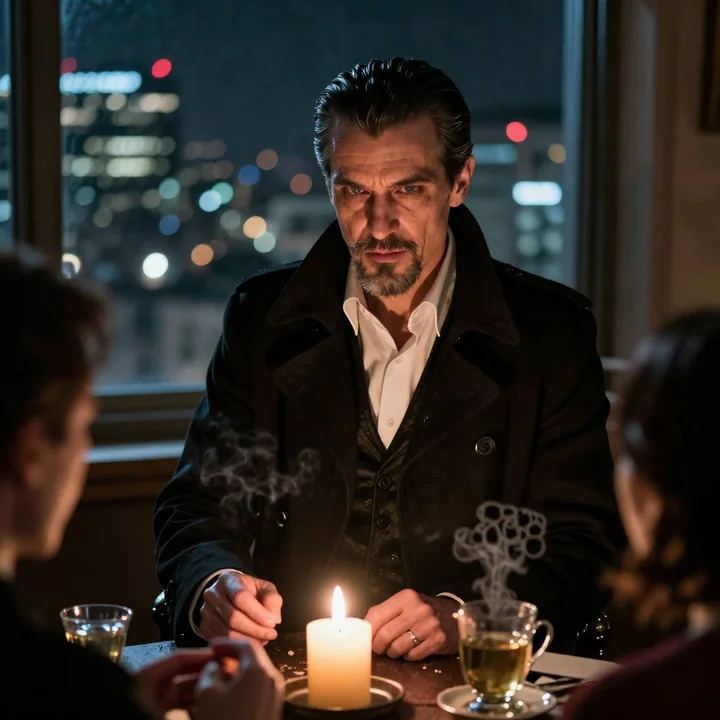 DocentVladRevenantByzantine and Gothic Murals of TransylvaniaLate 13th to early 16th century · 3 originals · 15 AI interpretationsOn the church walls of medieval Transylvania two traditions lived side by side: the Byzantine, with frontal saints against golden grounds, and the Gothic, which links its stories with flowing lines. Each village had its own patrons and its own paintings. Many walls were hidden under limewash and came back to light only in the twentieth century. In this room you learn to tell the two traditions apart through walls of red ochre and faded blue-grey.Enter the room
 XenLook AI interpretation
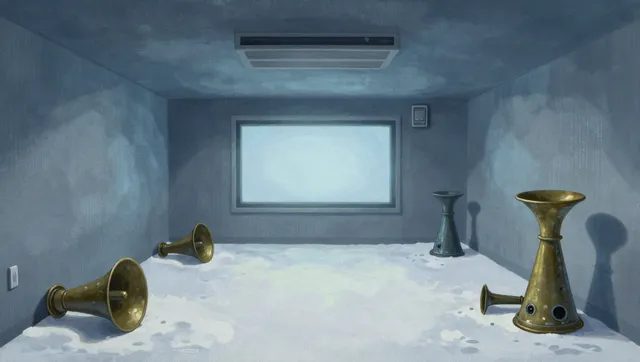
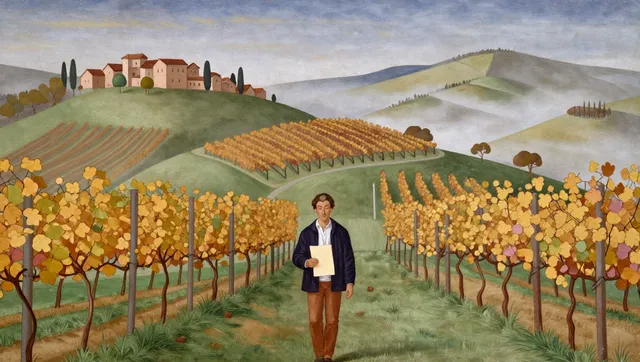
 DocentLéo KellerCeltic Manuscript Illumination (Insular Art)Late 7th to early 9th century · 15 AI interpretationsFrom the later seventh century to the early ninth, monasteries in Ireland and northern England copied the Gospels by hand, one letter at a time, and decorated them with pictures. This is called Insular art, from insula, the Latin word for island. Its marks are lines that knot endlessly, spirals, interlaced beasts and great opening letters that become pictures. The Book of Durrow, the Lindisfarne Gospels and the Book of Kells are its best-known works. This room holds no photographs of the real books, only AI interpretations by Léo Keller.Enter the room
 Original
 XenLook AI interpretation
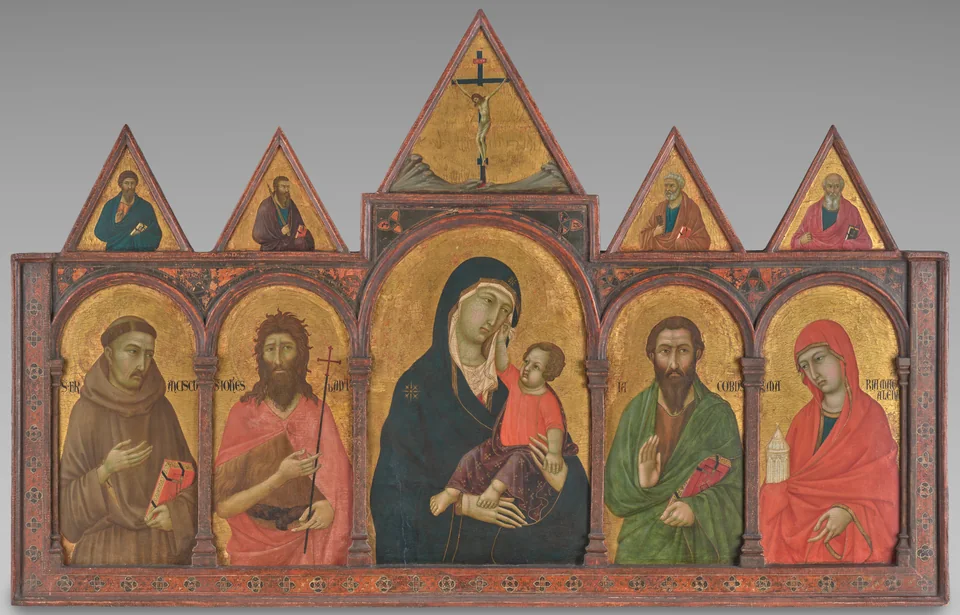
 DocentAlessandro ContiTrecento Fresco14th century (the 1300s) · 4 originals · 14 AI interpretationsTrecento means ‘three hundred’ and names Italy’s 1300s. In those years painters in Padua, Florence and Siena told Bible stories panel by panel on walls of damp plaster, and painted gold-ground altarpieces on wooden boards. Giotto’s weighty figures and the slender, graceful line of Siena grew side by side in one age.Enter the room
 Original
 XenLook AI interpretation
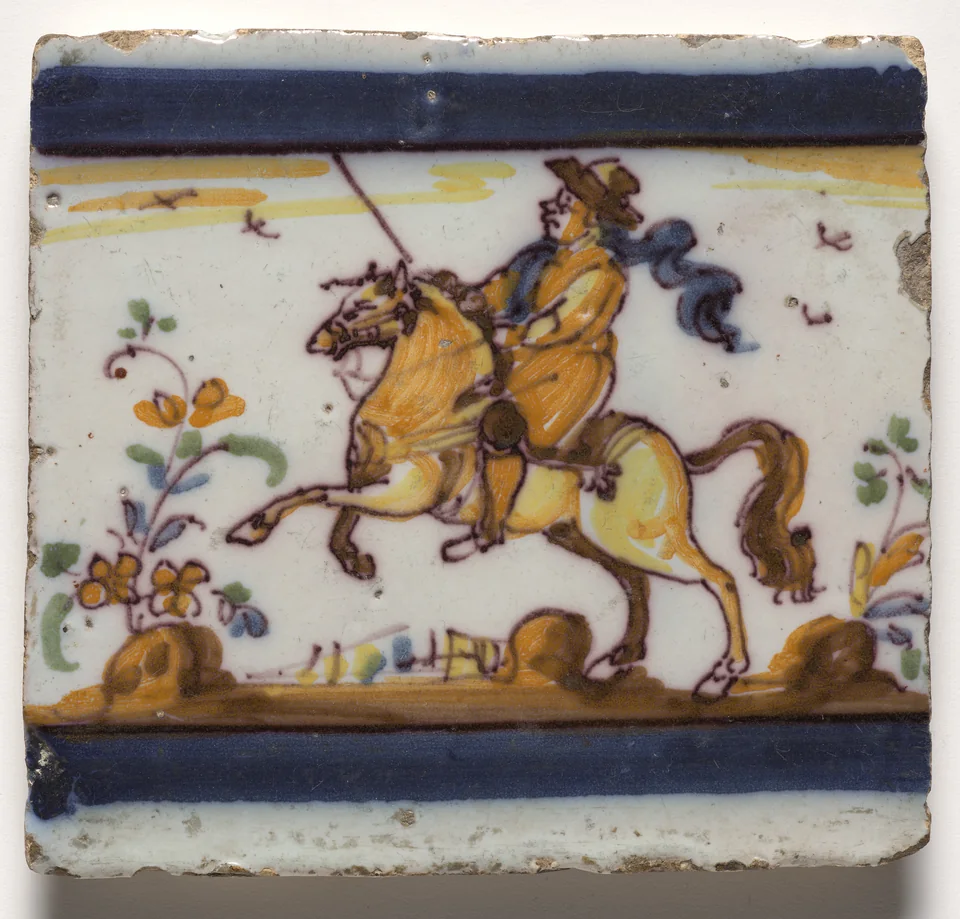
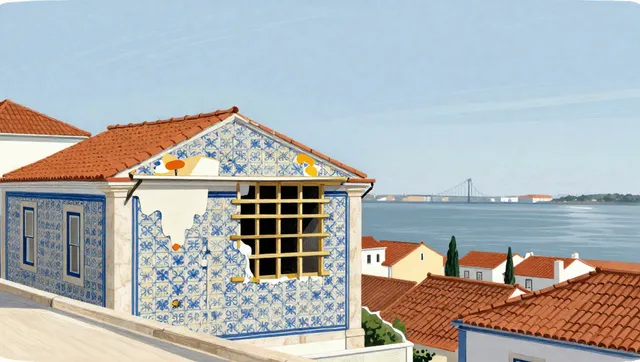
 DocentTiago MendesAzulejo Tile Painting16th to 20th century · 2 originals · 14 AI interpretationsAzulejo is the Iberian art of painting square tin-glazed ceramic tiles and covering a whole wall with them. In Portugal, from the 16th century on, these tiles have carried stories in churches and palaces, and later in railway and metro stations. In this room you learn how dozens of tiles join into one scene and how a cobalt-blue brush line feels, and you see two Spanish tiles from the Cleveland Museum of Art beside our AI interpretive pictures.Enter the room
 XenLook AI interpretation
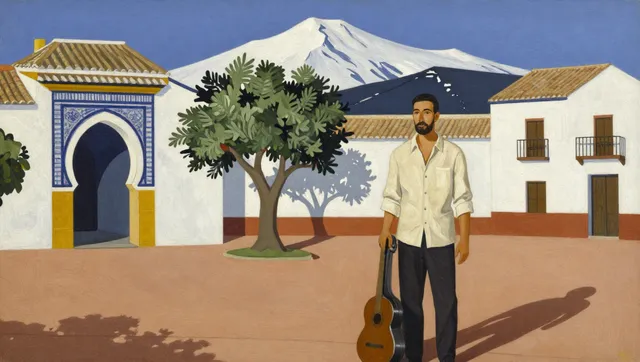
 DocentCarlosAndalusian Modern PaintingLate 19th to mid-20th century · 13 AI interpretationsPainters born and raised in Andalusia, in the south of Spain, painted the women and songs of their home, its white walls and olive fields, in a new artistic language from the late 19th to the mid-20th century. This room is not one formal school: it brings together three painters who worked from the same land, Romero de Torres, Bacarisas and Vázquez Díaz. You learn their calm black, blue and greenish colours, their symbols and their firm planes, and you see our AI interpretive pictures.Enter the room
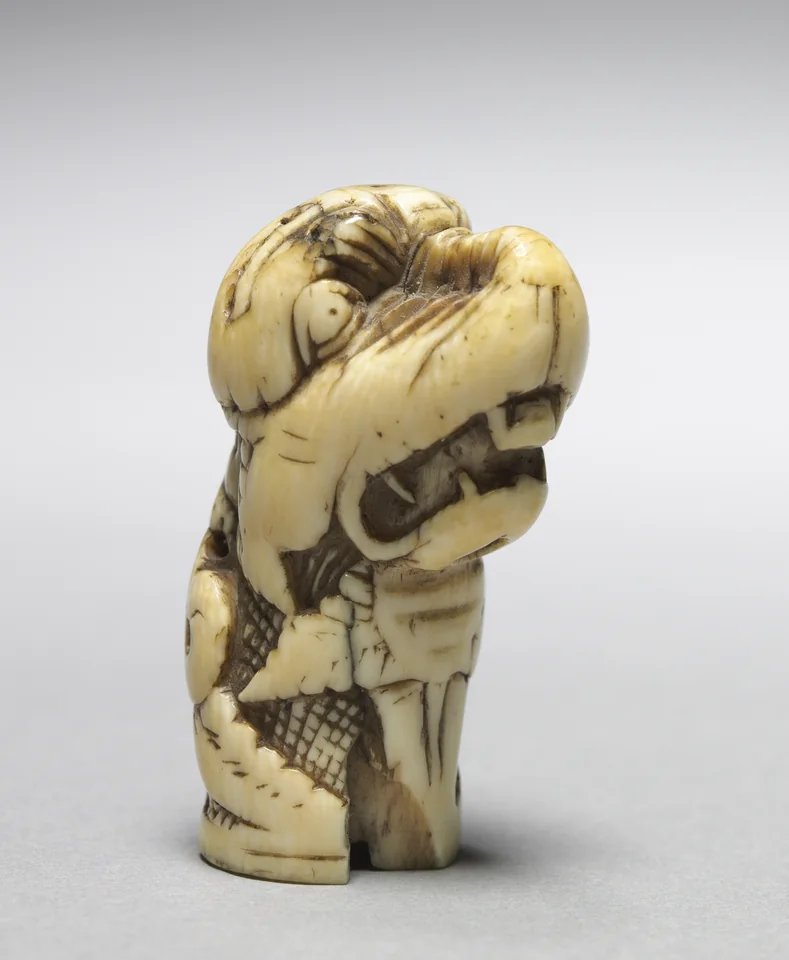 Original
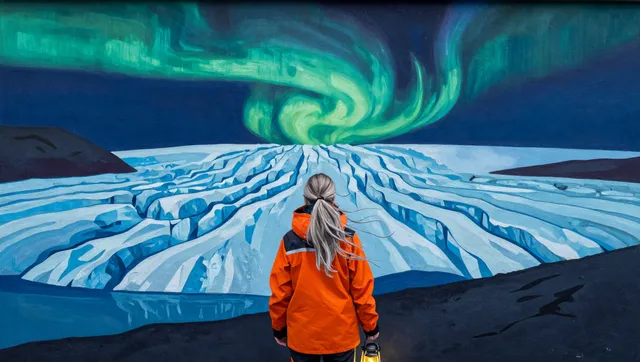 XenLook AI interpretation
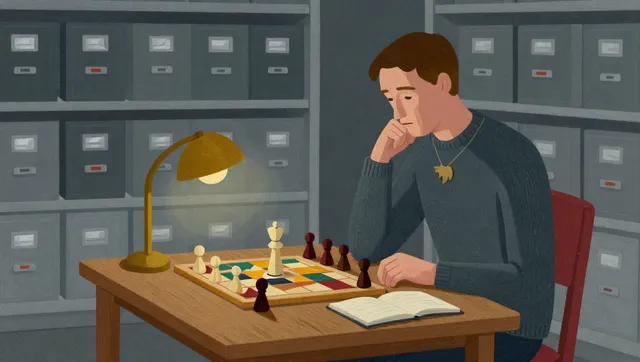
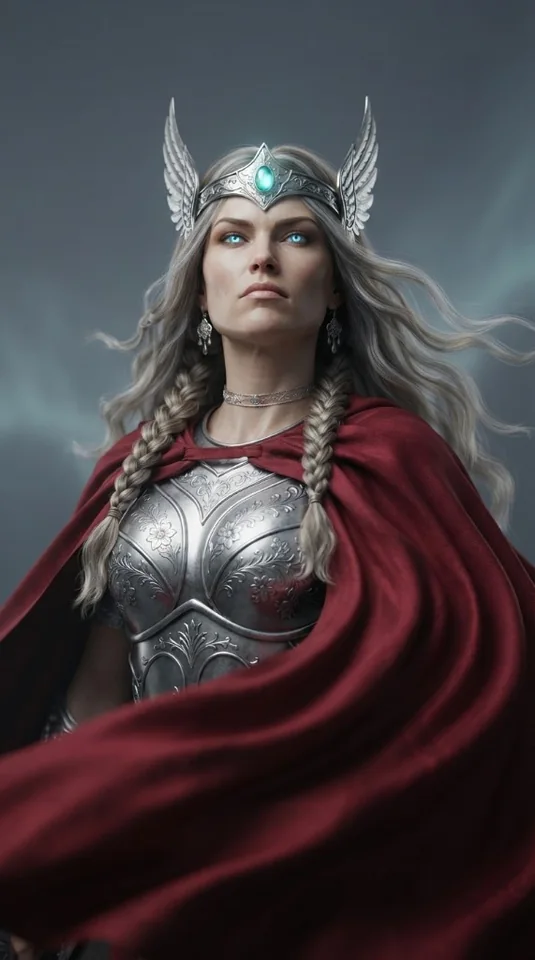 DocentJanneValkyrie (Norse)Nordic Saga Illustration — The Black Line of Heimskringlac. 1050–1914 (from the animal ornament of the Urnes style to the illustrated Kings’ Sagas of 1899 and 1914) · 2 originals · 16 AI interpretationsThis room introduces the black-and-white illustrations made for the sagas, the old stories of the North. Heimskringla, said to have been written by the Icelander Snorri Sturluson in the thirteenth century, tells the lives of the kings of Norway. For the illustrated edition published in Norway in 1899, six painters made pen line drawings. Behind them stand the interlaced beasts carved in the eleventh century on the door of the church at Urnes.Enter the room
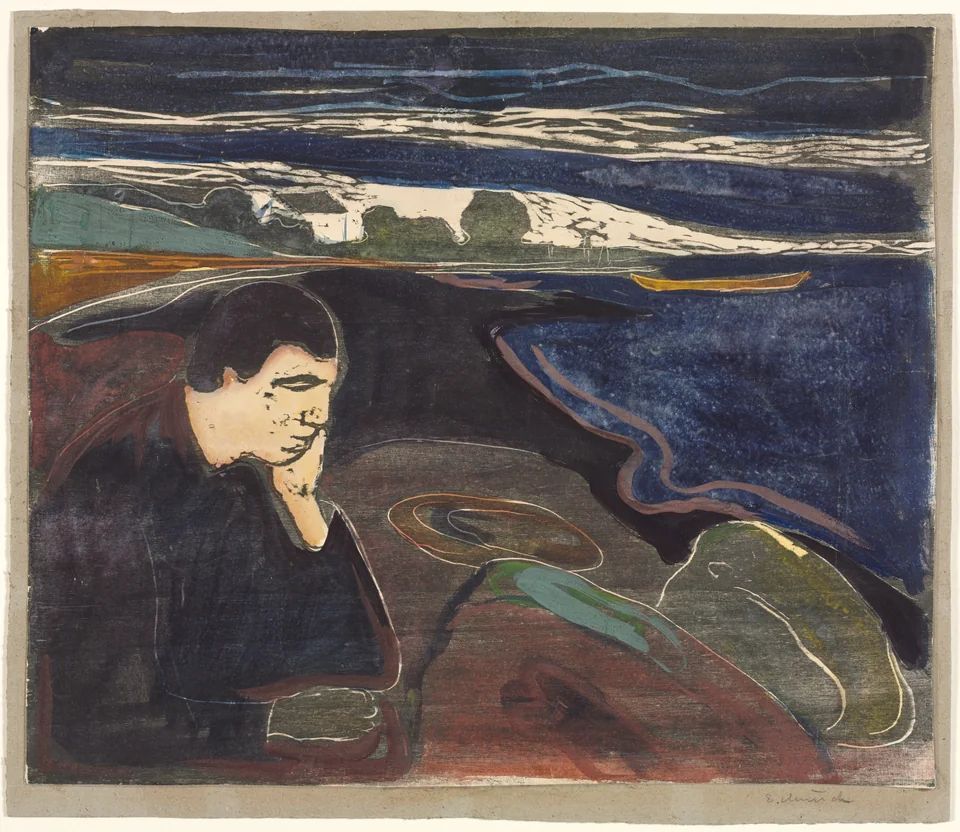 Original
 XenLook AI interpretation
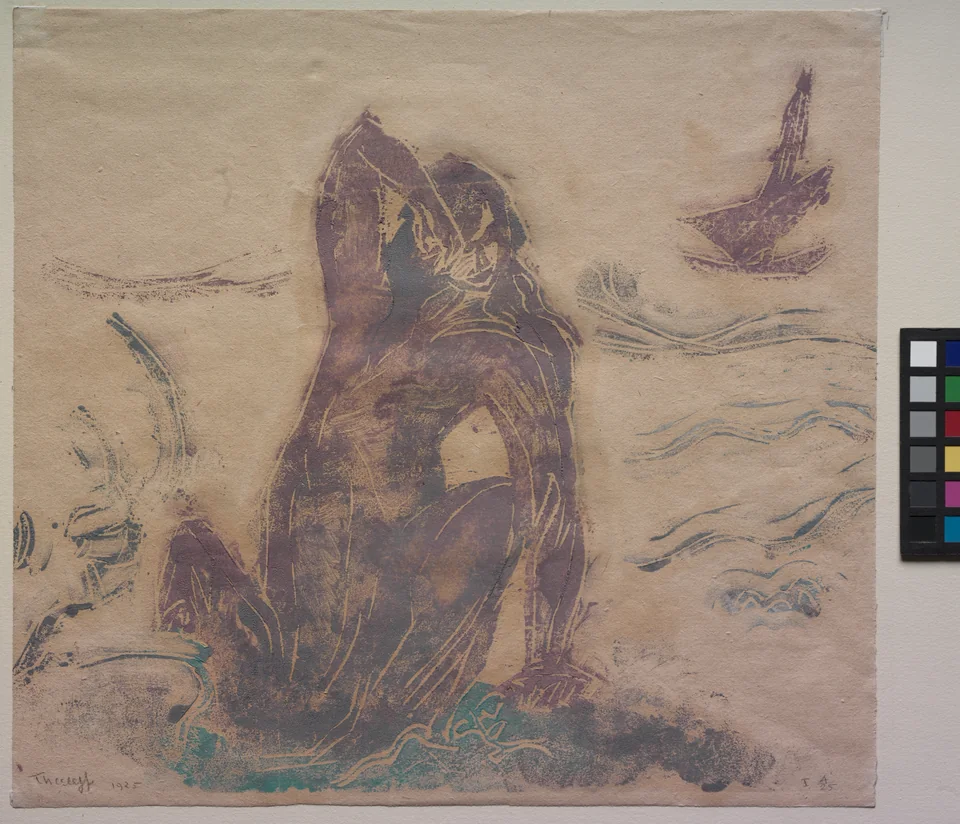
 DocentAuroraAurora spirit (Norse)Norwegian Colour Woodcut — Munch and Astrup1896–1928 (from Munch’s first woodcuts to Astrup’s death) · 1 originals · 16 AI interpretationsIn 1896 Edvard Munch cut his first woodblocks, and when Nikolai Astrup followed in the autumn of 1904, the colour woodcut became a new road for painting in Norway. Munch sawed his blocks into pieces and inked each piece separately, while Astrup brushed oil paint onto his blocks and rubbed the prints by hand. This room looks at the methods of the two artists, at what they took from Japanese prints, and at the colours of the fjord and the sea.Enter the room
 Original
 XenLook AI interpretation
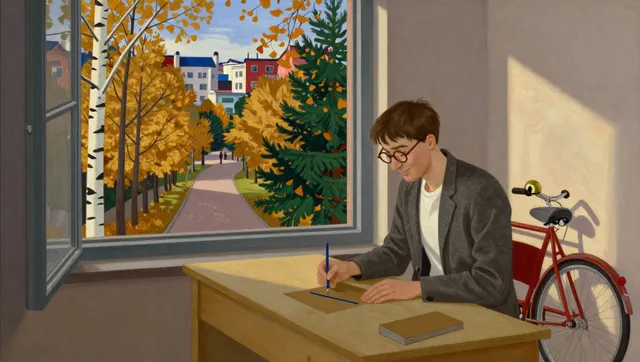
 DocentFelixFinnish Golden Age — The Kalevala and National Romanticismc. 1880–c. 1910 (the Golden Age), lingering into the 1910s · 2 originals · 15 AI interpretationsThe Finnish Golden Age is the painting of the 1880s to about 1910, when Finland, then a Grand Duchy inside the Russian Empire, was finding its own story anew. Painters turned scenes from the epic Kalevala, and the forests, lakes and winter light of the country, into clear outlines and bright colour. In this room you look from Gallen-Kallela’s myth paintings to Simberg’s symbolic pictures, and then read the style one detail at a time in the pictures Felix has chosen.Enter the room
 XenLook AI interpretation
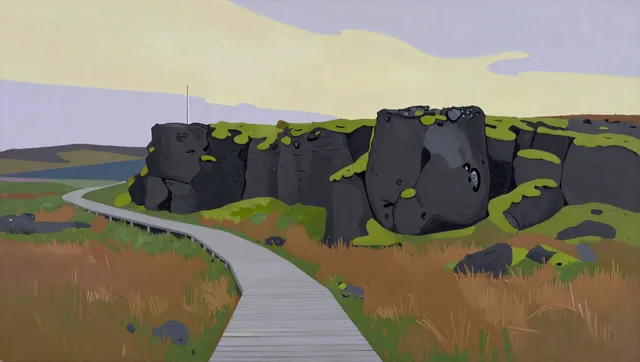
 DocentArynIcelandic Modern Landscape — Lava, Moss and the Light of Summer NightsFrom the first painting exhibition in 1900 to the Þingvellir series of the 1930s · 14 AI interpretationsIcelandic modern landscape painting begins with the first painting exhibition in Iceland, held in Reykjavík in 1900. Painters who had trained in Copenhagen came home and painted glaciers, lava fields, moss-covered rock and the light of summer nights when the sun barely sets. At first these were wide, quiet late-Romantic views; soon the bright colour of Impressionism and the broken planes of Cubism arrived. Because this happened while the island was moving towards home rule and sovereignty, the pictures are also a record of Icelanders looking at their own land again, as if for the first time.Enter the room
 Original
 XenLook AI interpretation
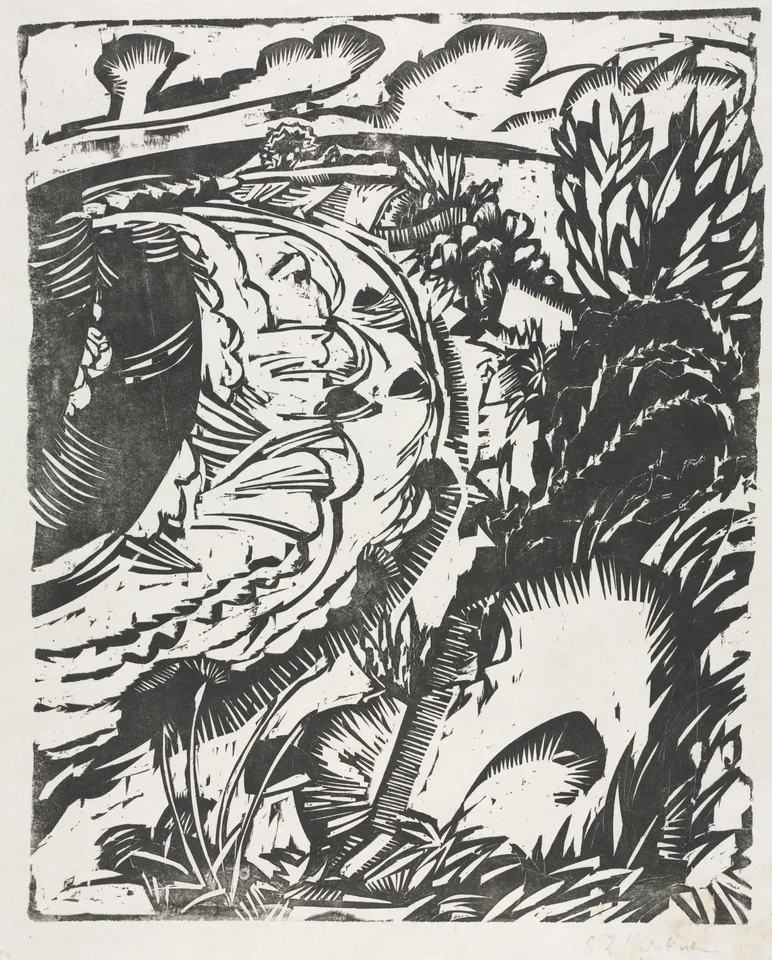
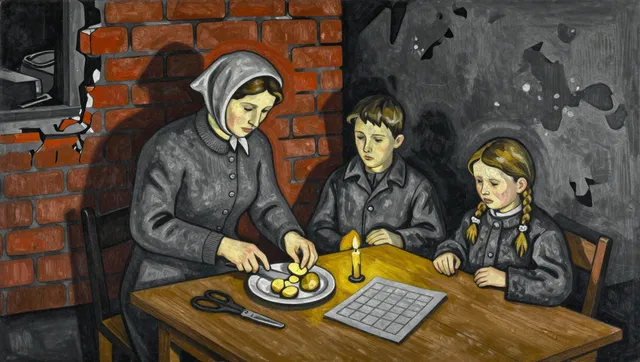
 DocentStefan BeckerGerman Expressionist Woodcut1905 to the 1920s · 4 originals · 13 AI interpretationsIn 1905 young architecture students in Dresden formed a group called Die Brücke, the Bridge, and opened a new art with rough, knife-cut woodcuts. Bold contours, flat colour planes and sharp feeling are the face of this room. In the same era Käthe Kollwitz cut unemployment and hunger into wood, and in the Ruhr industrial city of Essen a museum rose to collect such prints. Look closely, down to the knife marks, at four real prints.Enter the room
 Original
 XenLook AI interpretation
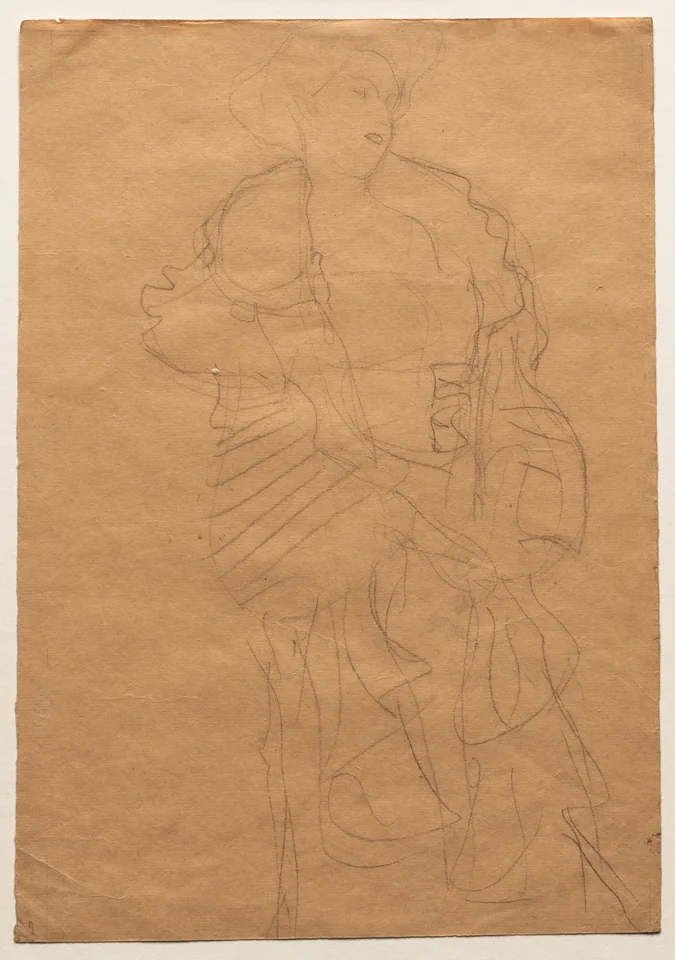
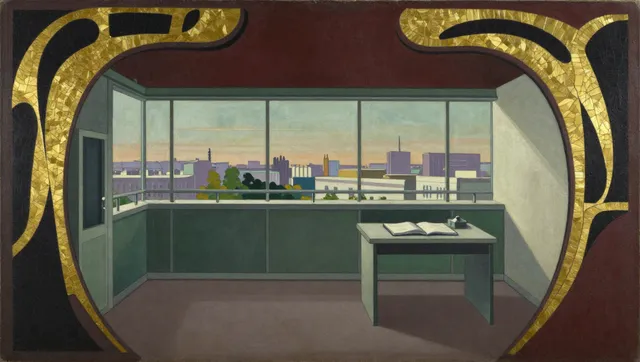
 DocentViktorVienna Secession1897 to the early 1900s · 4 originals · 15 AI interpretationsIn 1897 a group of young painters, architects and designers in Vienna left the old artists' association and founded a new one. They saw not just single pictures but buildings, chairs, magazines and tableware as one art. A golden laurel dome, straight lines and squares, and the shimmer of gold leaf give this room its face. Among the real works are a Klimt drawing, a chair, a glass vase and silver cutlery.Enter the room
 Original
 XenLook AI interpretation
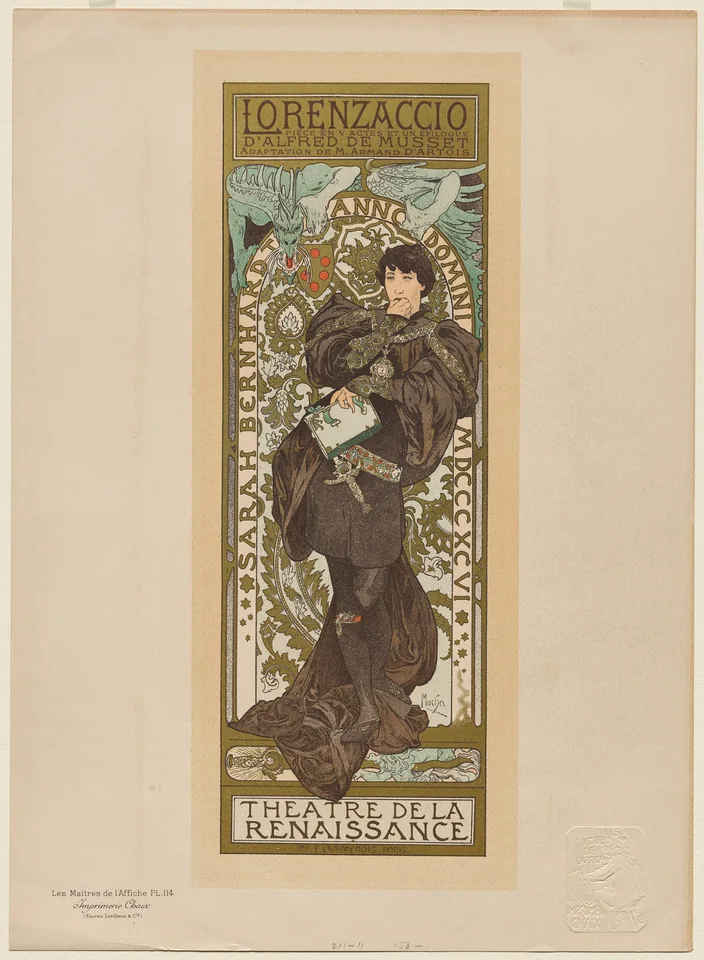
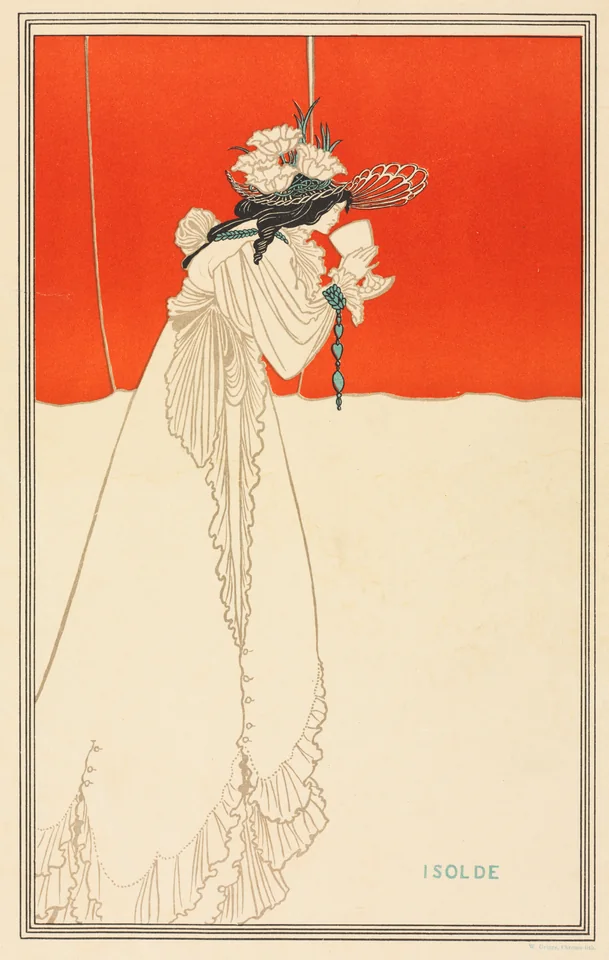
 DocentMarcosEuropean Symbolist and Art Nouveau PosterArt Nouveau and Symbolism, c. 1890–1910 · 4 originals · 14 AI interpretationsEuropean Symbolist and Art Nouveau posters are colour lithographs (石版畫, stone prints) that filled the streets of Paris in the 1890s. They are known for lines that curl like flower stems, soft flat areas of colour, and layouts built from arches and decorative bands. Alphonse Mucha made his name with theatre posters for the actress Sarah Bernhardt, and Grasset and Toorop added lines of their own. This room walks you through the habits of that line and colour, step by step.Enter the room
 Original
 XenLook AI interpretation
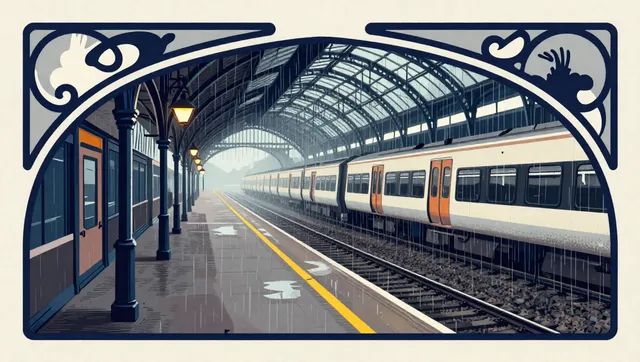
 DocentRianBritish Art Nouveau PosterArt Nouveau and the Aesthetic Movement, c. 1890–1910 · 3 originals · 16 AI interpretationsBritish Art Nouveau posters are the pen drawings, lithographs (石版畫, stone prints) and street posters that flowered in London and Glasgow in the 1890s. Aubrey Beardsley filled books and magazines with nothing but masses of black ink and lines as fine as hair, and the Beggarstaffs changed the poster with flat areas of colour like cut paper. In Glasgow, 'The Four' appeared with their tall figures and straight lines. This room looks at the habits of black and white, of line and empty space.Enter the room
 Original
 XenLook AI interpretation
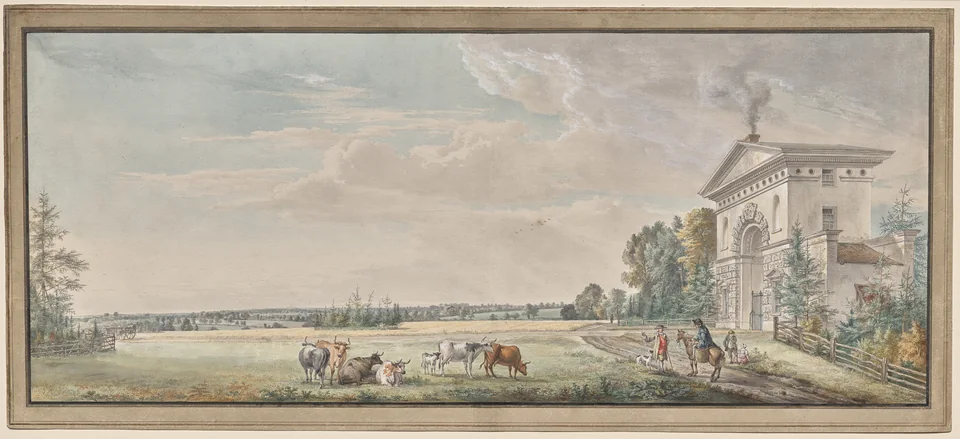
 DocentGeorge HarrisEnglish WatercolourThe golden age of English watercolour, c. 1760–1860 · 4 originals · 15 AI interpretationsEnglish watercolour is the tradition of landscape painting that flowered in England from the late eighteenth to the mid-nineteenth century. Watercolour, once used to record maps and terrain precisely, became clear landscape painting in the hands of Paul Sandby, and Thomas Girtin and J. M. W. Turner let the paint spread in broad washes to paint the sky and light themselves. Samuel Palmer painted an evening glow like a prayer. This room looks at the habits of a transparent paint that uses the white of the paper as its light.Enter the room
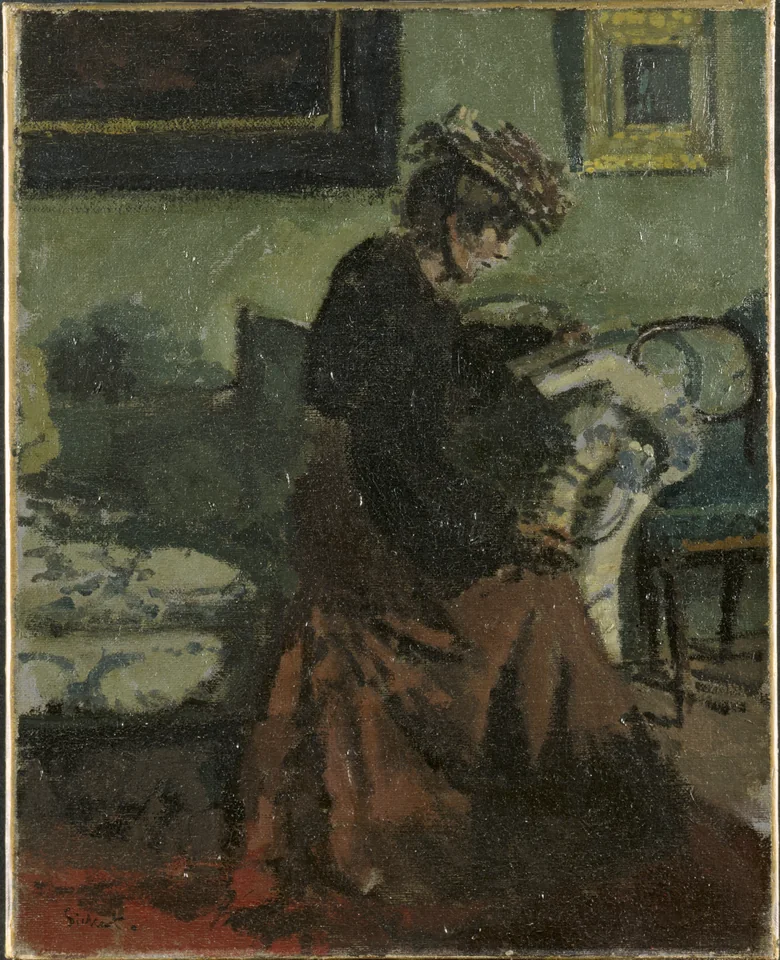 Original
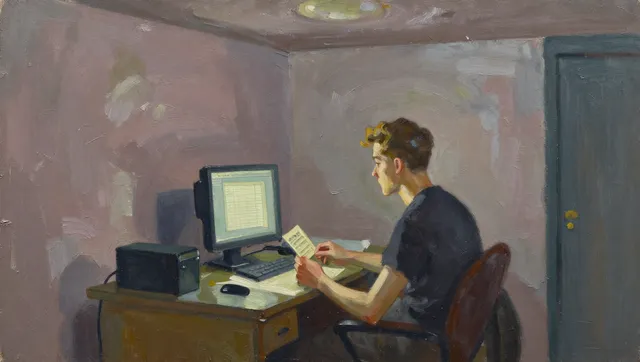 XenLook AI interpretation
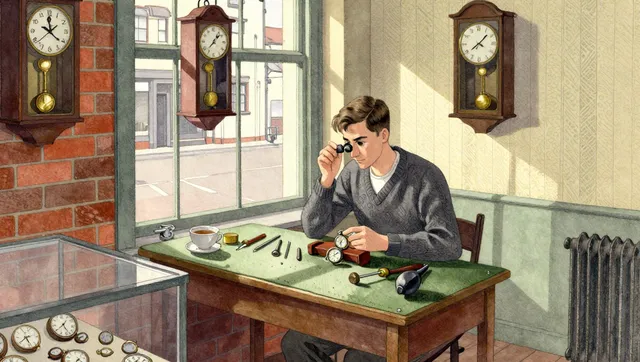
 DocentIanThe Camden Town Group: Rooms as They AreEarly 20th century (c. 1905–1914) · 3 originals · 14 AI interpretationsThe Camden Town Group was a circle of painters who gathered around Walter Sickert in London in 1911. Instead of grand drawing rooms they painted boarding-house bedrooms, kitchens, back streets and theatre galleries. Thickly laid paint, subdued wallpaper colours and oblique viewpoints mark their work. They held only three exhibitions, between June 1911 and December 1912, yet they are regarded as a starting point of modern British realism.Enter the room
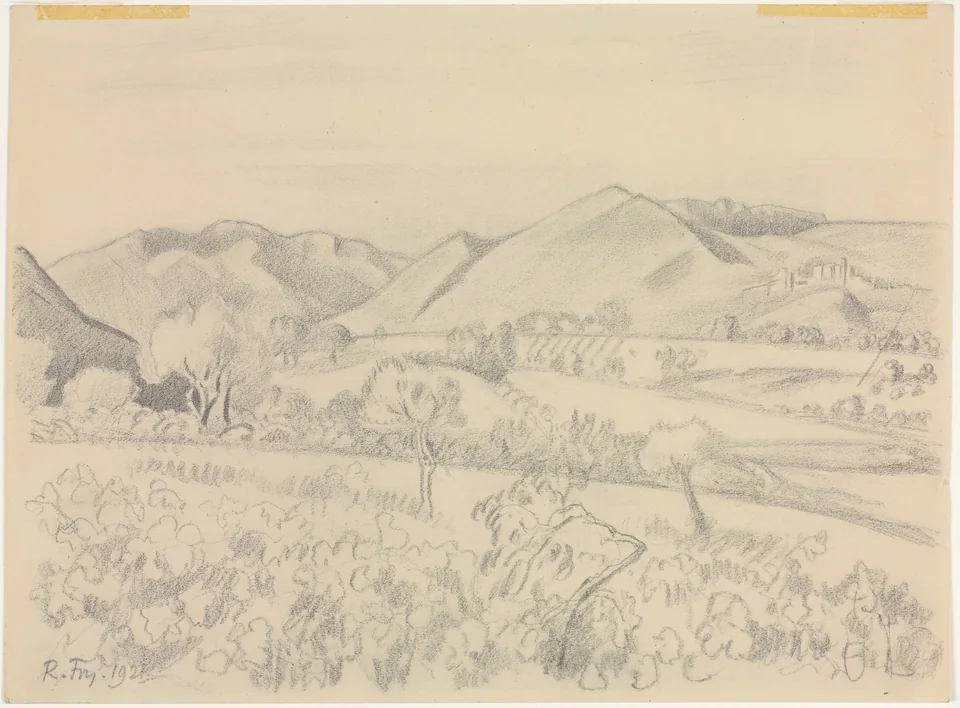 Original
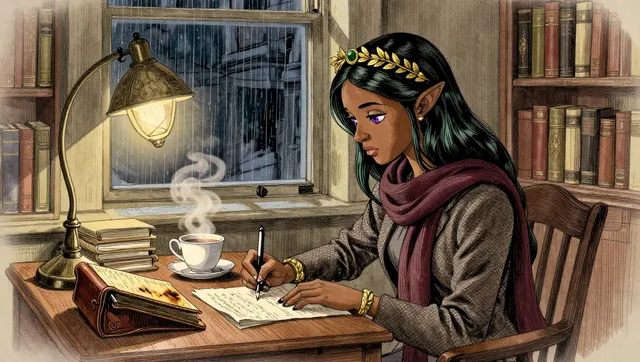 XenLook AI interpretation
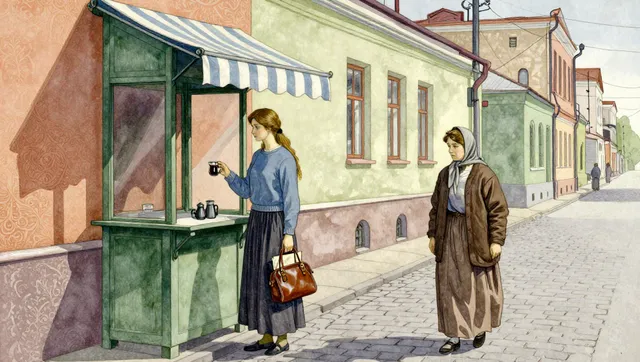
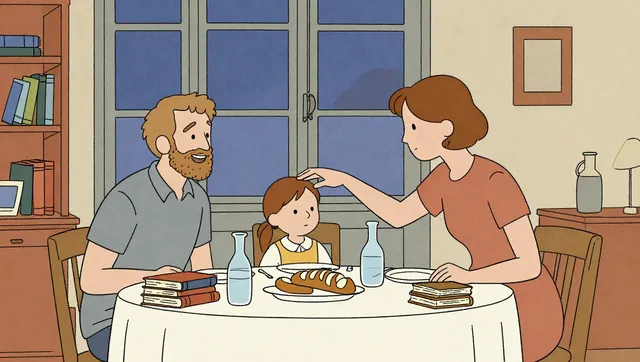
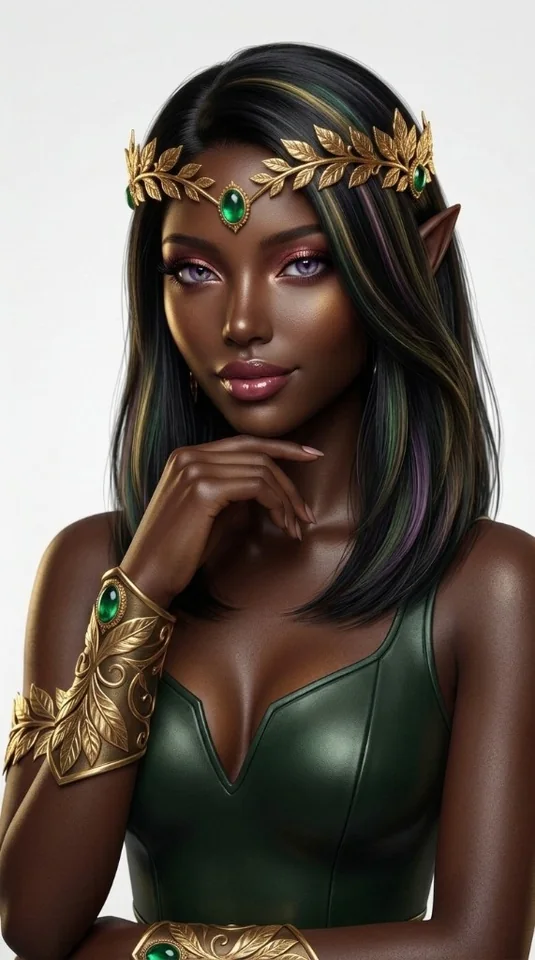 DocentRielDark elfBloomsbury: Pen, Wash and the Painted HouseFirst half of the 20th century (c. 1905–1940) · 1 originals · 16 AI interpretationsThe Bloomsbury Group was a circle of writers and painters who, from about 1905, gathered at a house in the Bloomsbury district of London. Its art centred on the painters Vanessa Bell and Duncan Grant and the painter and critic Roger Fry. They introduced Post-Impressionism to Britain, made furniture and textiles at the Omega Workshops, and drew book covers for the Hogarth Press. The heart of this room is how they decorated pictures and living space as one.Enter the room
 Original
 XenLook AI interpretation
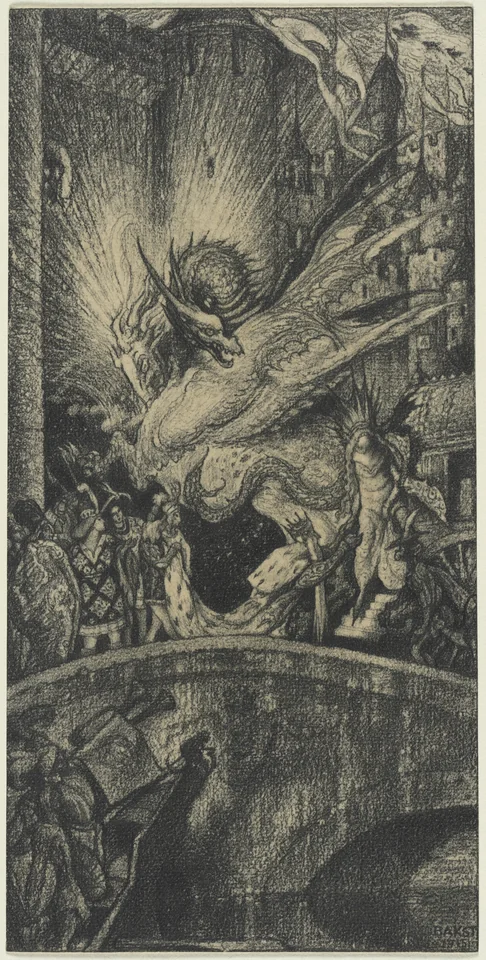
 DocentOlgaRussian Silver Age: Ink, Watercolour and the Fairy TaleLate 19th to early 20th century (c. 1898–1930) · 1 originals · 16 AI interpretationsThe Russian Silver Age was the period from the late 19th century to around the 1917 revolution when poetry, theatre, music and art flowered together. Its art centred on the World of Art (Mir iskusstva) circle, founded in St Petersburg in 1898. Painters such as Alexandre Benois, Léon Bakst and Ivan Bilibin revived the 18th century and the old fairy tales in magazines, picture books and stage designs, and went on with Diaghilev's Ballets Russes to the stages of Paris. Fine ink lines and clear watercolour are the heart of this room.Enter the room
 XenLook AI interpretation
 DocentMarianLigne Claire — The Clear Line1929 to today · 14 AI interpretationsLigne claire is French for ‘clear line’. It is the drawing style that the Belgian cartoonist Hergé refined from 1929 while drawing The Adventures of Tintin. Everything is wrapped in a crisp dark outline, the inside is filled with flat colour, and hatching and heavy shadow are left out. Figures are kept simple, while backgrounds are researched and drawn to look real. The name was given in 1977 by the Dutch cartoonist Joost Swarte. This room carries no comics still under copyright, only our interpretations and words.Enter the room
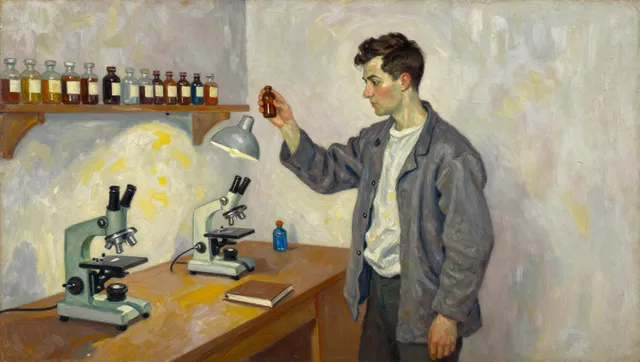 XenLook AI interpretation
 DocentEmileRomanian Plein-Air Painting — Fields Under Open Light1860s to 1930s · 15 AI interpretationsIn the late nineteenth century Romanian painters learned to work outdoors in the village of Barbizon near Paris and brought the habit home. Nicolae Grigorescu painted ox carts on country roads and peasant girls, Ion Andreescu painted lonely winter woods, and Ștefan Luchian painted flowers from his sickbed. Around the same time, in today’s Baia Mare, an artists’ colony set up easels in the fields every summer from 1896. This room looks at silver skies and short broken brushstrokes together with our AI interpretations.Enter the room
Africa
 XenLook AI interpretation
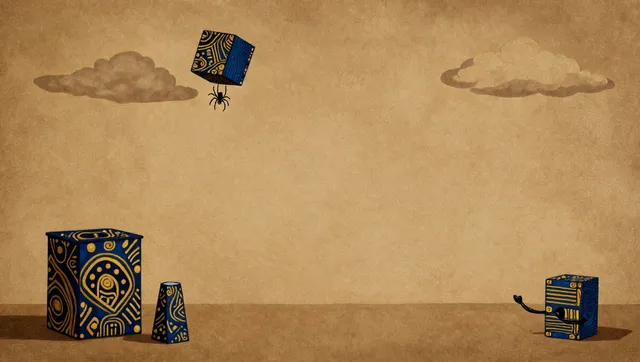
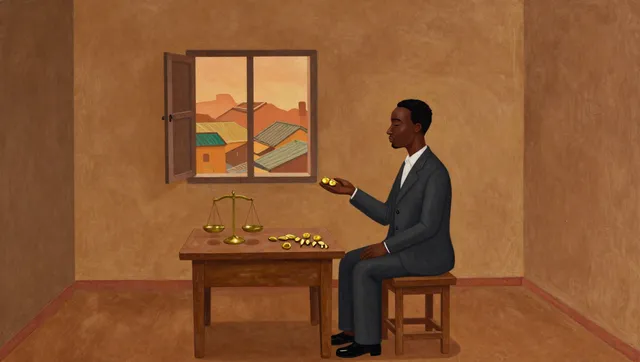
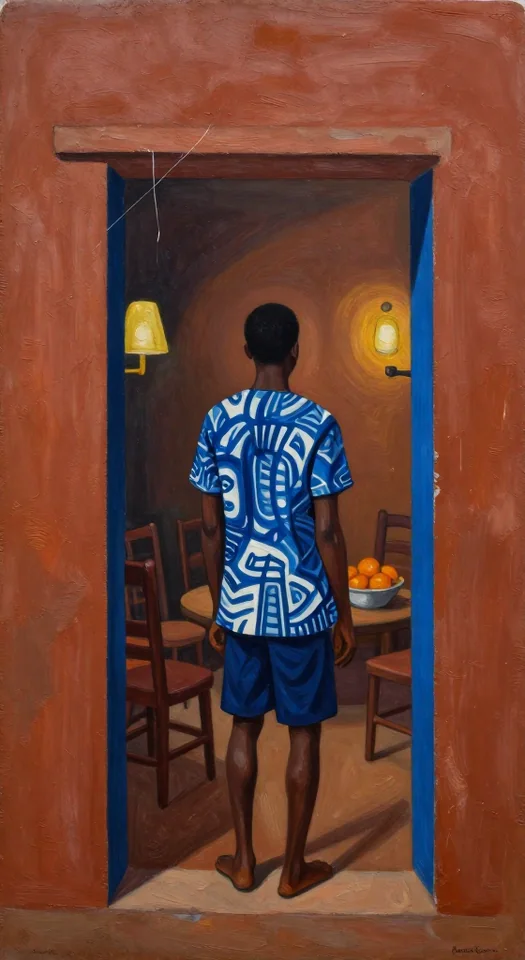 DocentAnansiAnansi, the spider of Akan folkloreAdinkra: Wisdom Stamped in ClothEarly 19th century to today · 14 AI interpretationsAdinkra are the symbols of the Akan people of southern Ghana, and also the cloth on which those symbols are printed with calabash stamps. Each motif, a bird, a drum, a star or a heart, carries a name and a proverb, so that one cloth becomes a small collection of sayings. It was first worn by royalty and spiritual leaders at funerals. In this room we follow the history of the symbols and how the cloth is made, and look at AI interpretations that picture the story of Anansi, the storytelling spider.Enter the room
 Original
 XenLook AI interpretation
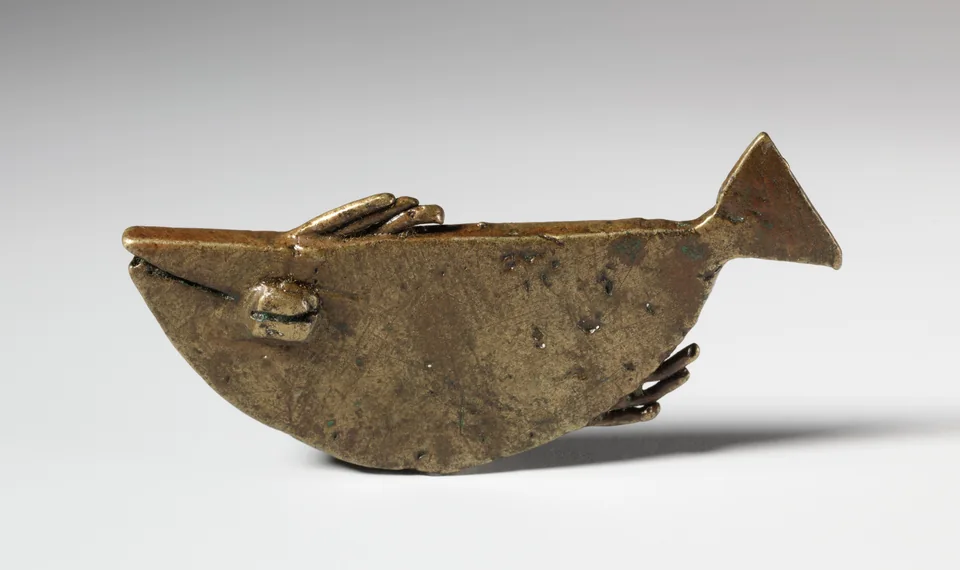
 DocentKofi MensahAsante Narrative Artc. 15th to 19th century · 4 originals · 12 AI interpretationsThe name “Asante Narrative Art” is a label of our own library, and no historical school was ever called by it. What this room studies is the long Asante tradition of putting stories into objects: gold weights that turn proverbs into a pinch of brass, kente cloth whose stripes carry names, and adinkra symbols printed with a stamp. Four real works from the Cleveland Museum of Art stand beside our AI interpretive pictures, so you can learn how a story is carried.Enter the room
The Americas
 Original
 XenLook AI interpretation
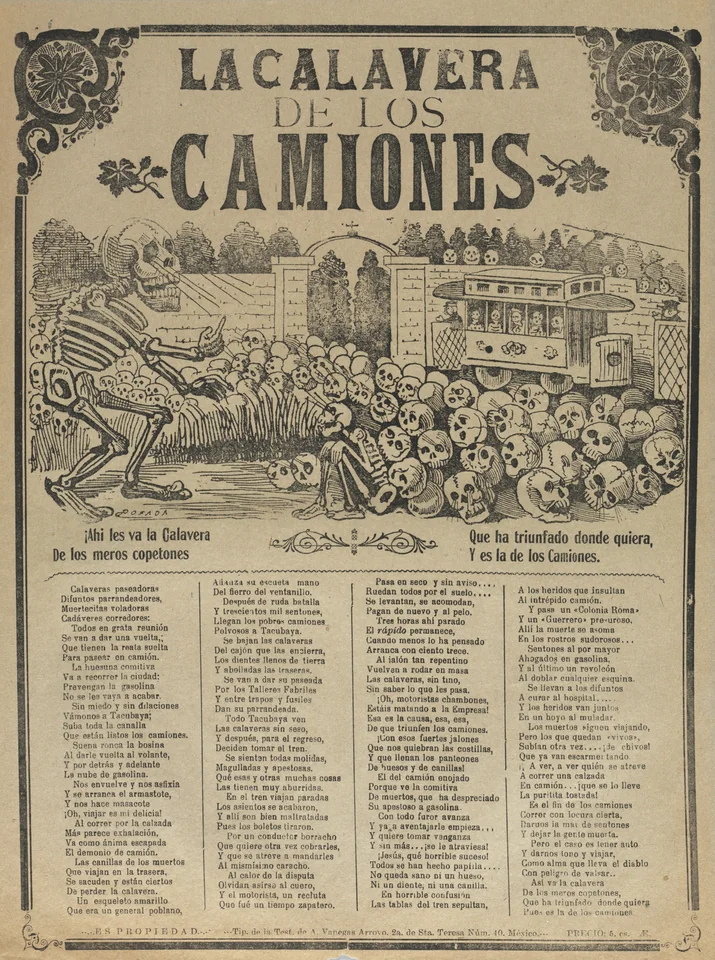
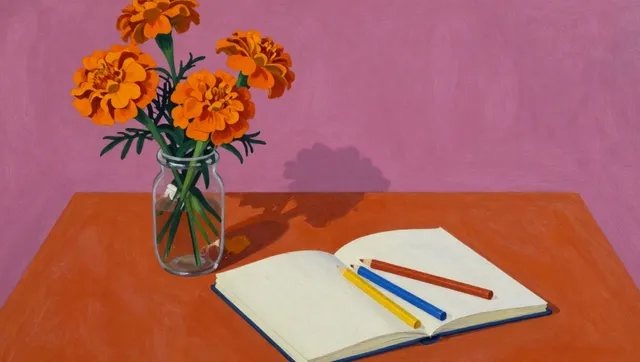
 DocentFridaMexican Muralism — Walls for Everyone1920s to 1950s · 2 originals · 14 AI interpretationsIn the 1920s, after the Mexican Revolution, the government handed the walls of schools and public buildings to painters. Diego Rivera, José Clemente Orozco and David Alfaro Siqueiros painted the nation’s history, labour and suffering on huge walls so that even people who could not read could understand them. At the root lie the ancient murals of Teotihuacan and the cheap skeleton prints of José Guadalupe Posada. This room reads those walls through two originals from the Cleveland Museum of Art and our own AI interpretations.Enter the room
 XenLook AI interpretation
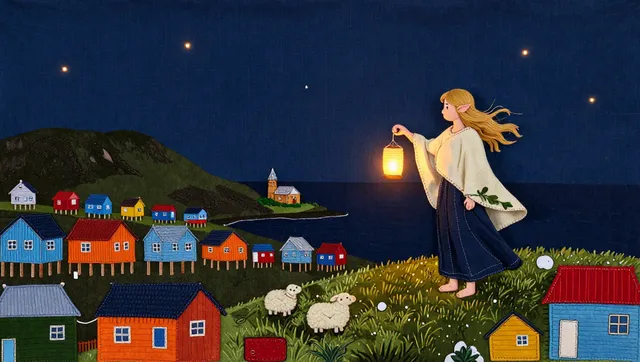
 DocentFlorencia ReyesPixieChilean Arpillera: Stories Sewn in ClothRoots in the 1960s · workshops from 1974 to 1992 · 14 AI interpretationsAn arpillera is a picture made by stitching scraps of cloth and embroidery onto a base of burlap sacking. In Chile it grew out of rural women's embroidery in the 1960s. During the military dictatorship of the 1970s and 80s, women in workshops run by the Church used it to tell the world about lost relatives, hunger and protest. In this room you learn that history, how to recognise the style and how it was made, and you see fourteen of our own interpretations that carry Chiloé stories into the feel of patched cloth.Enter the room
 XenLook AI interpretation
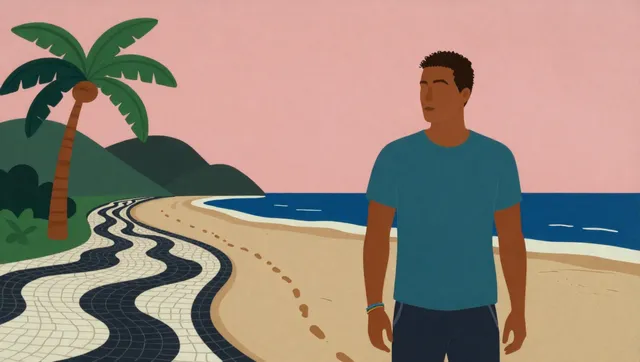
 DocentMiguelBrazilian Modernism: Painting in Our Own ColoursThe 1922 Modern Art Week · the 1928 Cannibal Manifesto · 14 AI interpretationsBrazilian modernism was a movement of the 1920s that shook off the habit of painting after European models and set out to make new pictures from Brazil's own colours, people and landscapes. The 1922 Modern Art Week in São Paulo was its signal, and artists such as Tarsila do Amaral, Anita Malfatti, Di Cavalcanti and Lasar Segall each opened a path. In this room you learn the history, how to recognise the look and how such pictures are made, and you see fourteen of our own interpretations that carry a Copacabana story into flat planes of pink, earth red and cobalt blue.Enter the room
 Original
 XenLook AI interpretation
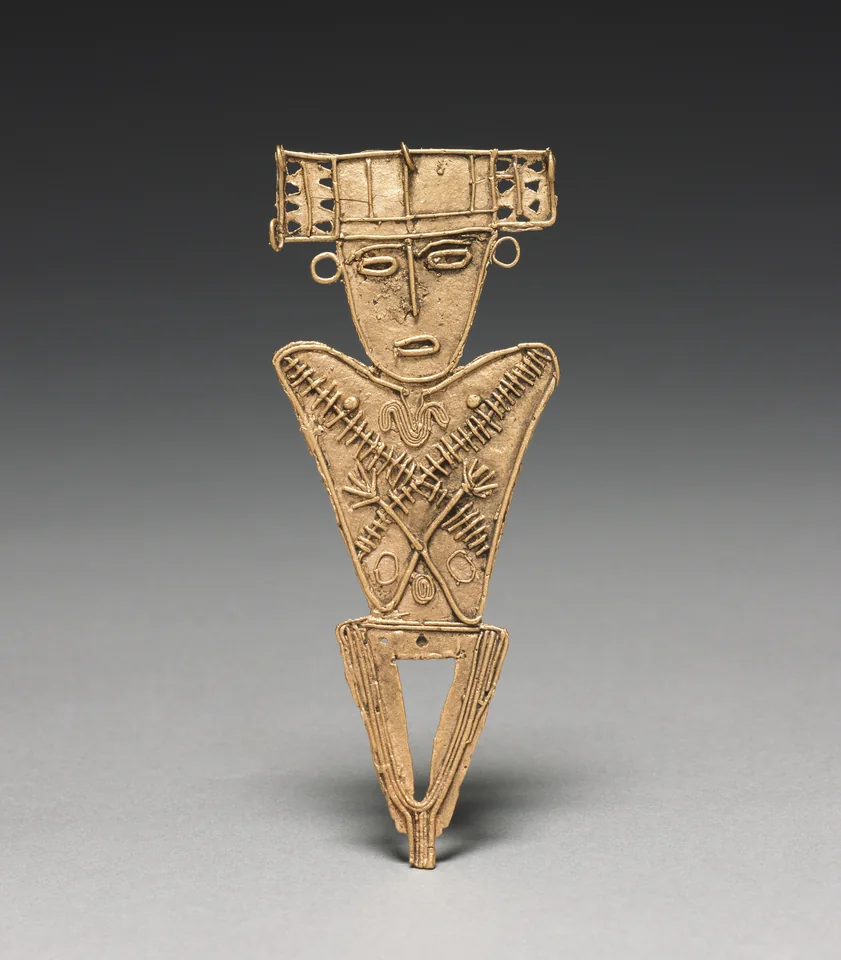
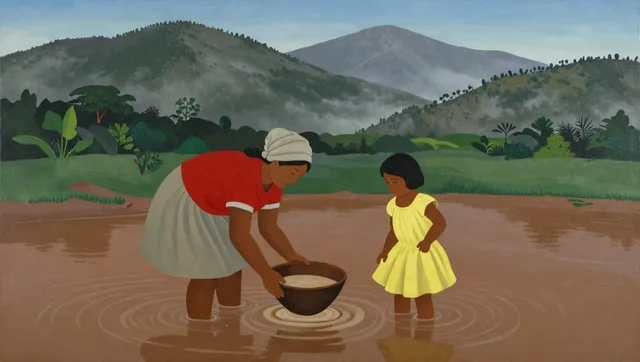
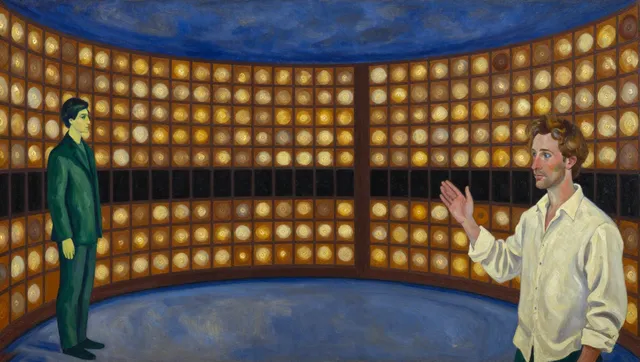
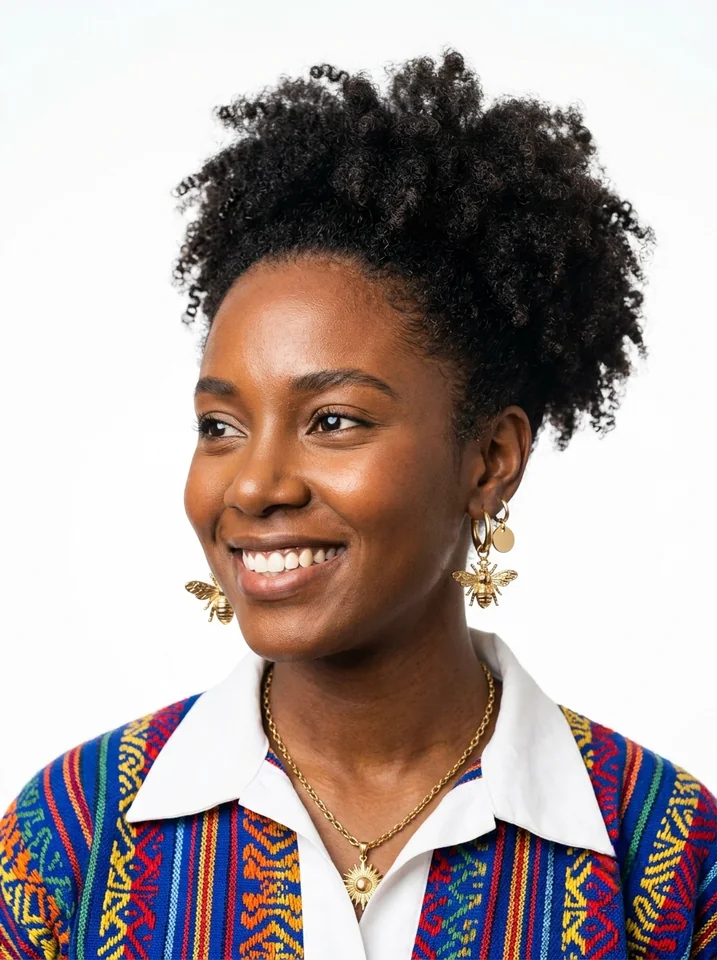 DocentValentina RíosAndean Modernism and the Bachué Movementc. 1925 to the 1950s · 4 originals · 14 AI interpretationsIn the 1920s and 1930s, Colombian sculptors and painters looked at their own land again with the eyes of modern art they had learned in Europe. Bachué, the mother goddess of the Muisca people, women panning gold in rivers, miners and coffee farmers became the main characters. Heavy rounded bodies, bold outlines and ochre and red-earth colours mark the style. This room also shows the pre-Columbian gold and pottery that were its roots.Enter the room
 XenLook AI interpretation
 DocentOliverGroup of Seven1913 to 1933 · 14 AI interpretationsA group of landscape painters from Toronto, the Group of Seven made its name with a first exhibition in 1920. They paddled and rode trains into the northern forests and lakes of Ontario, painted small oil sketches on wooden panels, and carried them into big studio pictures. Strong colour, simplified forms and thickly laid paint mark the style. It is called Canada’s first major art movement, but it is followed by the criticism that its landscapes were painted as if no one lived there.Enter the room
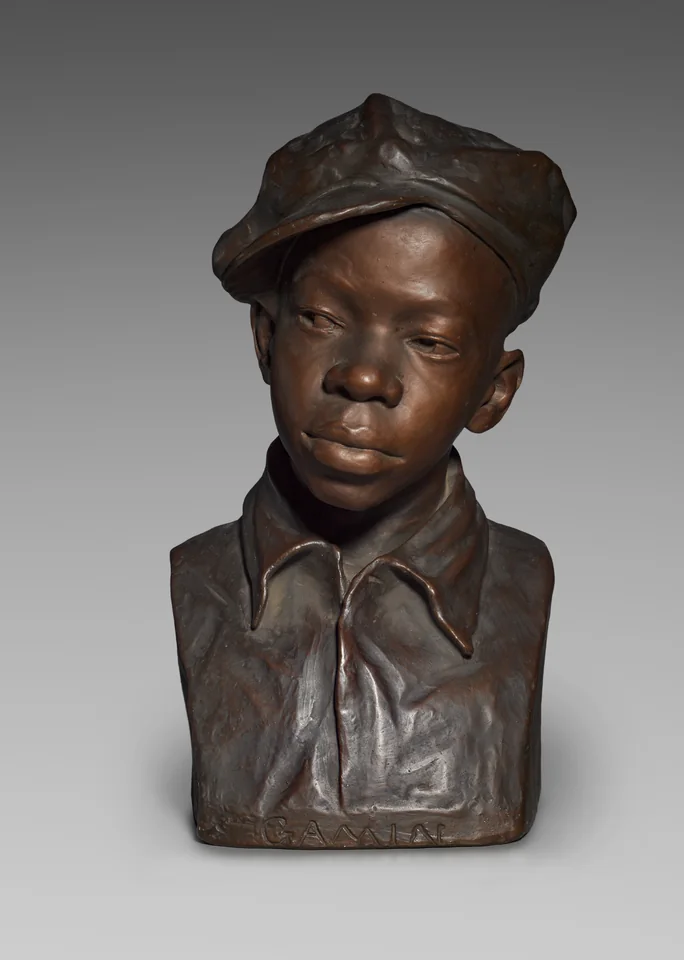 Original
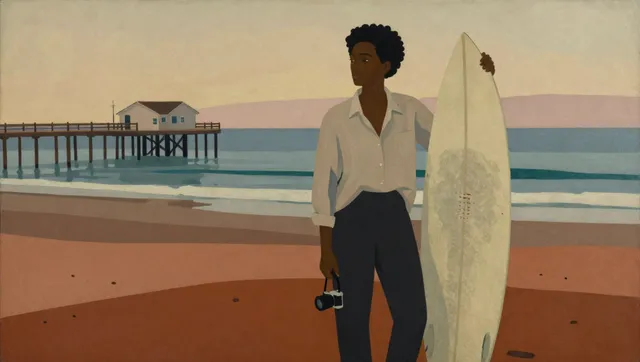 XenLook AI interpretation
 DocentChloeThe Harlem Renaissance and African American ModernismHarlem Renaissance of the 1920s and 30s · carried on from the 1940s · 3 originals · 14 AI interpretationsIn the 1920s, Black artists in Harlem, New York, began to picture their own lives in modern forms. Aaron Douglas’s silhouettes, Augusta Savage’s sculpture, Jacob Lawrence’s series, Horace Pippin’s memory paintings and Romare Bearden’s collages follow one another. Please remember first that this is not one style but a movement in which many distinct personalities shared the same story. The pictures in this room are AI interpretations; meet real works through the Cleveland Museum of Art.Enter the room
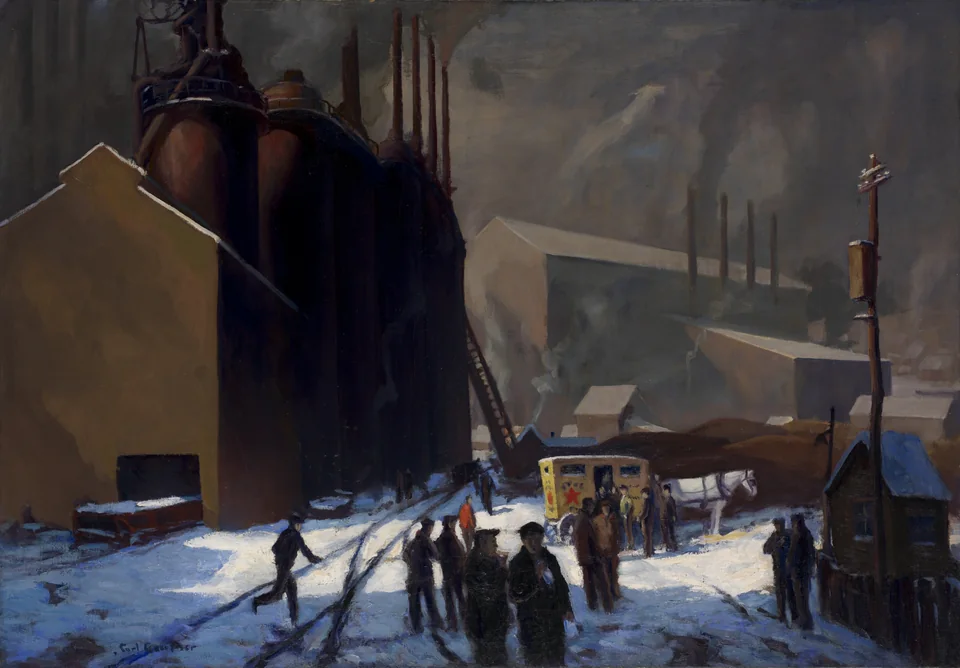 Original
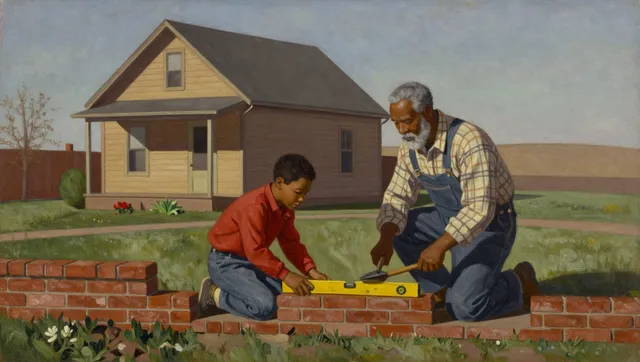 XenLook AI interpretation
 DocentMarcusAmerican Midwest Regionalism1930s (height 1930–35) · faded in the 1940s · 4 originals · 14 AI interpretationsDuring the Great Depression of the 1930s, painters of the American Midwest turned from Paris to the fields, small towns and working people of home. Grant Wood’s American Gothic, Thomas Hart Benton’s writhing murals and John Steuart Curry’s Kansas skies are the landmarks. Swelling round hills, smoothly finished forms and crisp outlines are the face of this style. In this room you will see four real works by their Ohio neighbours, together with AI interpretations that retell Marcus’s story in this style.Enter the room
Rooms
Art movements wing
The great currents of art history, from the Renaissance to Post-Impressionism, one movement per room, with real originals.
 Original
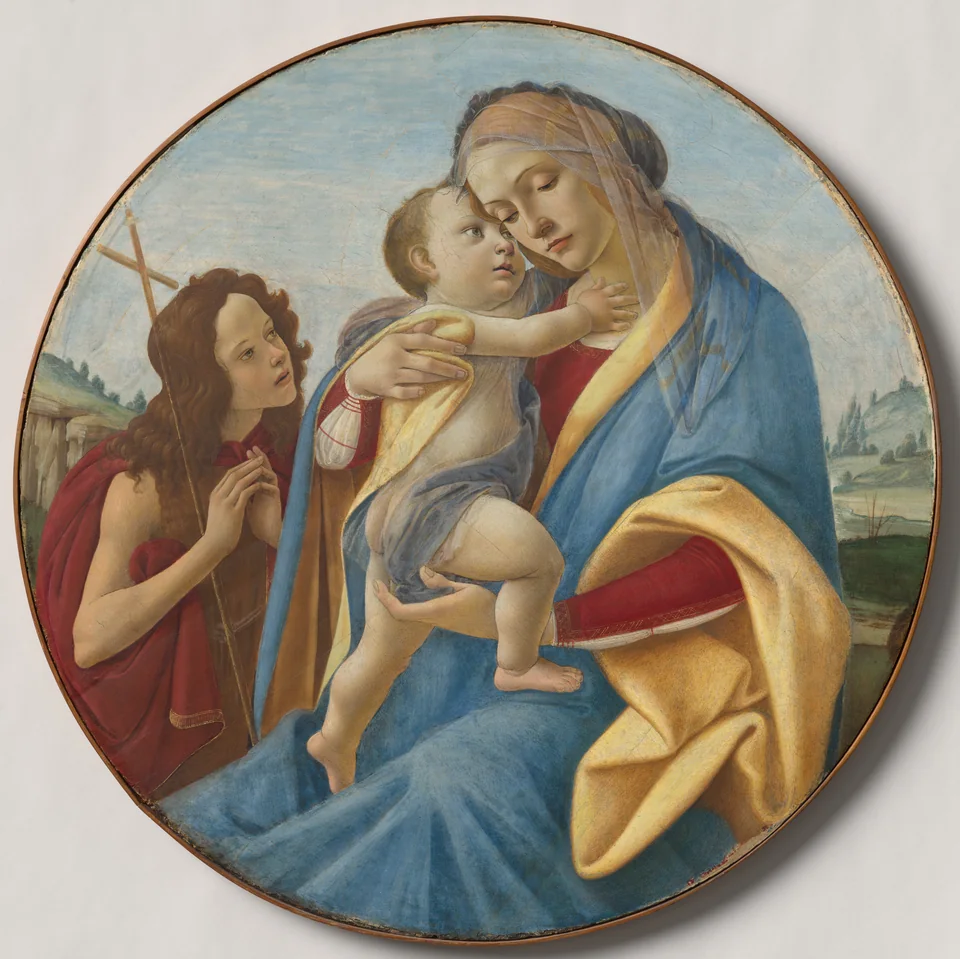
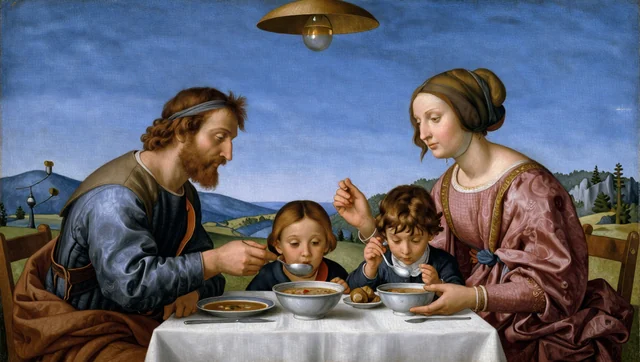 XenLook AI interpretationDocentGeniusItalian Renaissance15th to 16th century · 10 originals · 3 AI interpretationsThis is the art that began in fifteenth-century Florence and spread to Rome and Venice. Perspective, anatomy and a new interest in ancient sculpture changed what a picture was expected to do, and painters who had run workshops as craftsmen began to be treated as thinkers. In this room you will see a round Madonna from Botticelli’s workshop, drawings by Raphael and Michelangelo, a large canvas from Titian’s studio, and an engraving by Mantegna.Enter the room
 Original
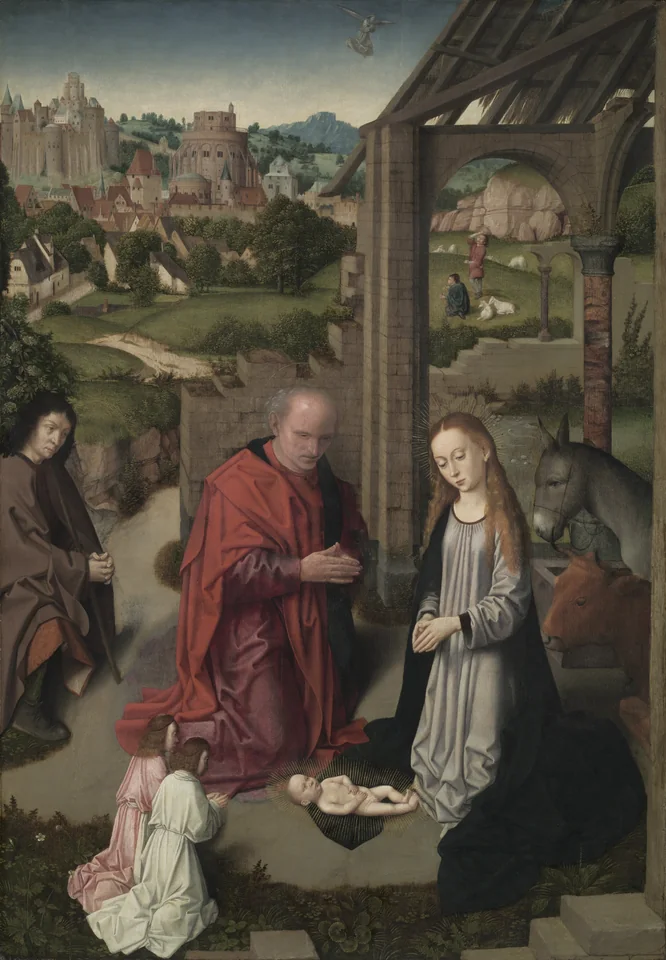
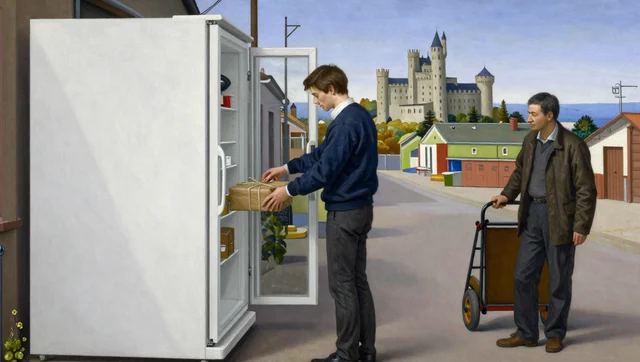 XenLook AI interpretationDocentStefan BeckerNorthern Renaissance15th to 16th century · 8 originals · 3 AI interpretationsThis is the art that flourished in the cities and courts north of the Alps in the fifteenth and sixteenth centuries. It is known for panel paintings built up in oil to the smallest detail, for prints that spread with the printing press, and for portraits and hunting scenes of the Reformation era. In this room you will see a Nativity by David, a hunting picture by Cranach, a round emblem by Holbein, and prints by Lucas van Leyden and Bruegel.Enter the room
 Original
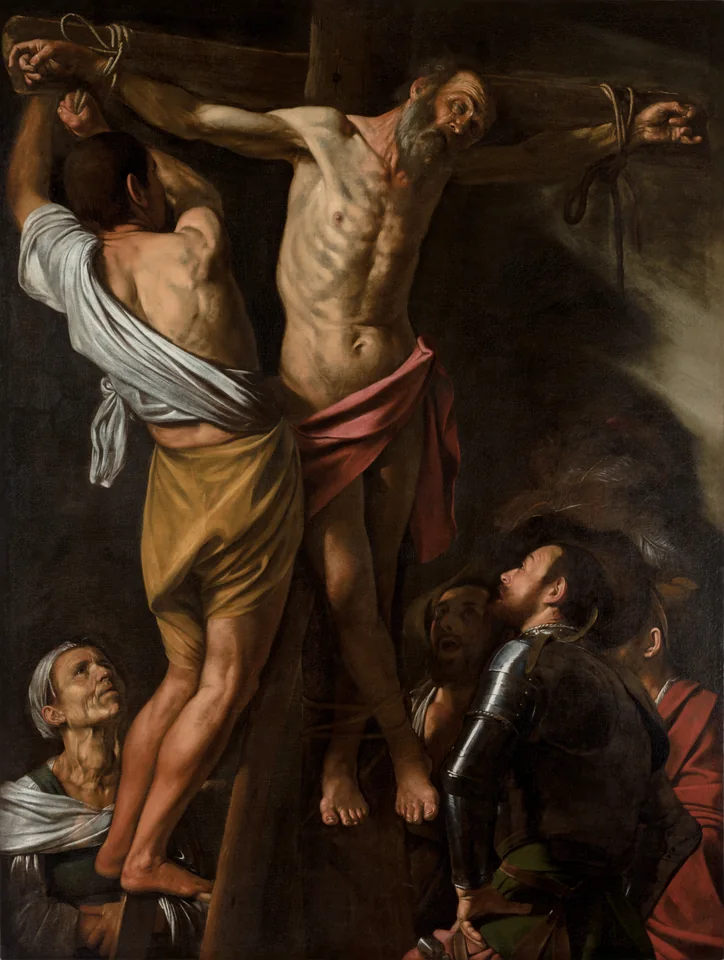
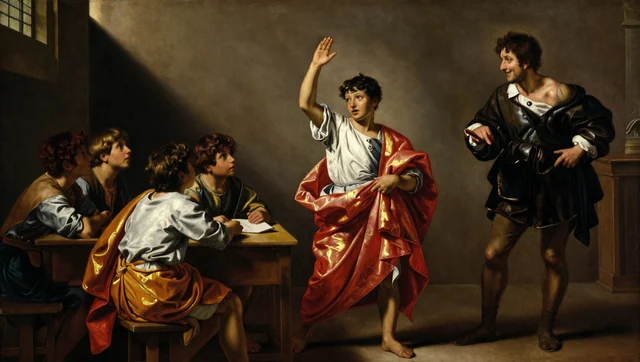 XenLook AI interpretationDocentAlessandro ContiItalian Baroquelate 16th to 17th century · 10 originals · 3 AI interpretationsThis is the painting that flourished in Italy from the late sixteenth century through the seventeenth. It is known for lifelike figures painted from models, strong contrasts of light that rise out of darkness, and compositions that draw the viewer into the middle of the story. In this room you will see Caravaggio’s Saint Andrew, Gentileschi’s Danaë, Reni’s Magi, Strozzi’s Tobit and Carracci’s boy together.Enter the room
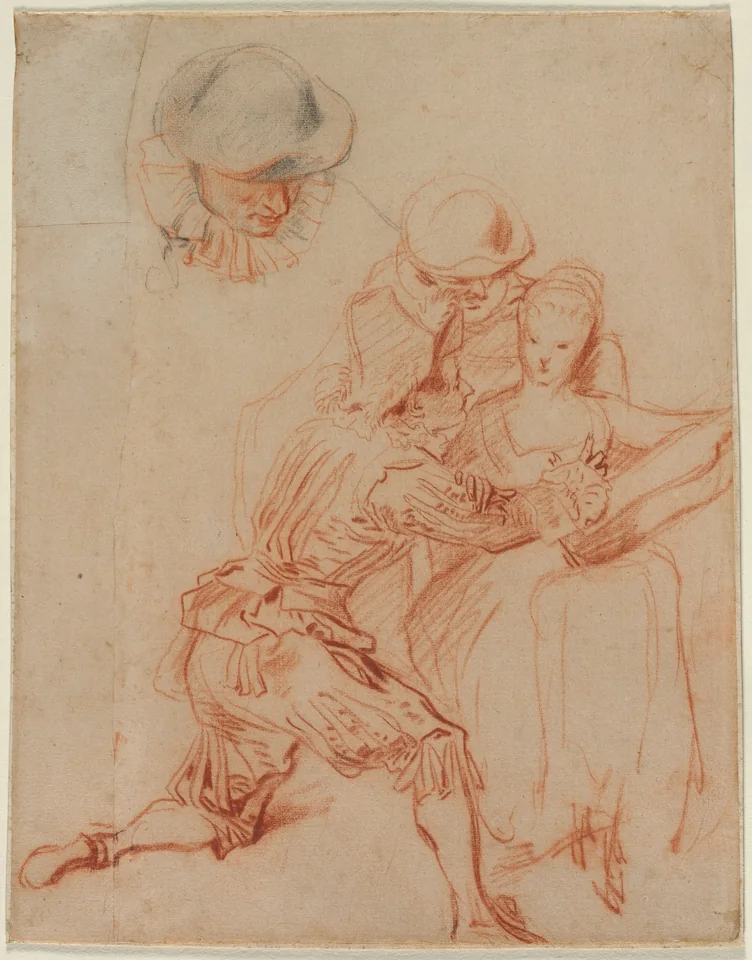 Original
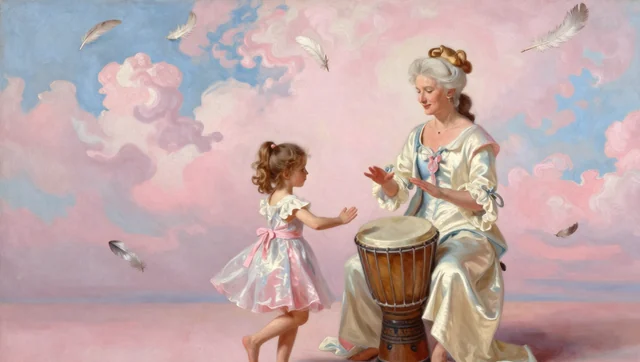 XenLook AI interpretation
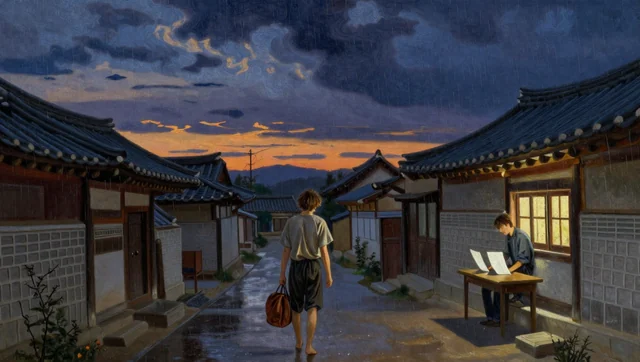
 DocentSylvieRococo1710s to 1770s · 11 originals · 3 AI interpretationsAfter Louis XIV died in 1715, courtly taste moved from the solemn great hall to the small Paris salon. Curves like shell ornament, pale pinks and sky blues, and lightly skimming brushwork are the face of that new taste. Watteau painted lovers in theatre costume, Boucher and Fragonard painted playful myths and gestures of love, and Chardin gazed long at a plate of herrings in a kitchen. Look closely at eleven real paintings and drawings.Enter the room
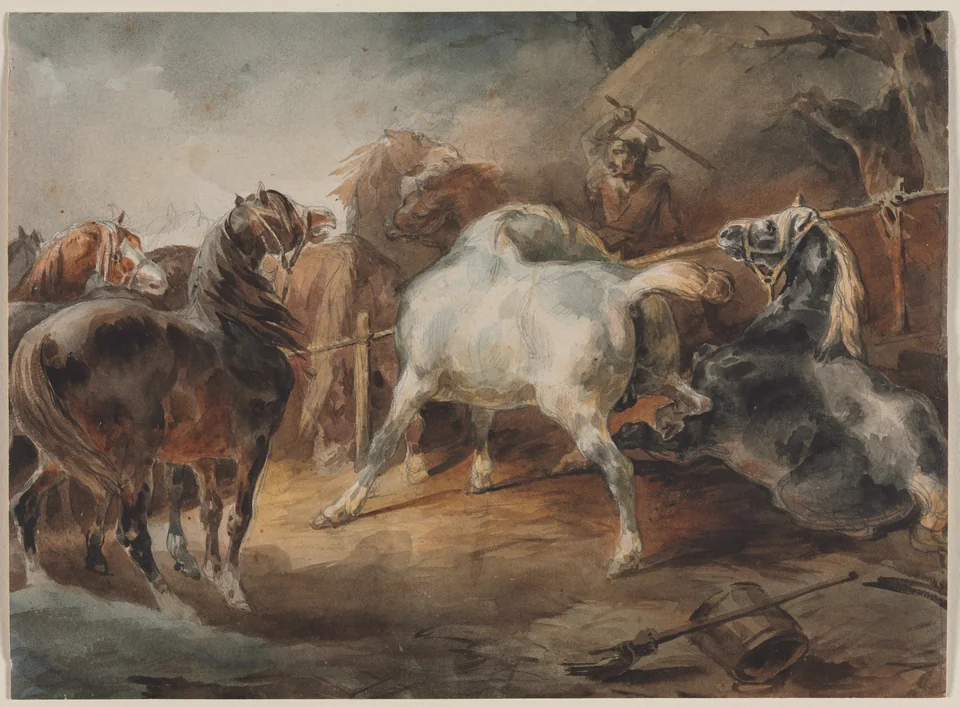 Original
 XenLook AI interpretation
 DocentLucaRomanticismLate 18th century to c. 1850 · 10 originals · 3 AI interpretationsAgainst the reason of the Enlightenment and the speed of industry, the Romantic painters put onto the picture the storms and dreams of the inner heart and the vastness of nature. Friedrich engraved transience into bare trees and an evening sky, Géricault caught the force bursting from fighting horses, and Runge wove the times of the day into an ornament of flowers and children. Look closely at six prints, drawings and paintings and read the traces left by the hand.Enter the room
 Original
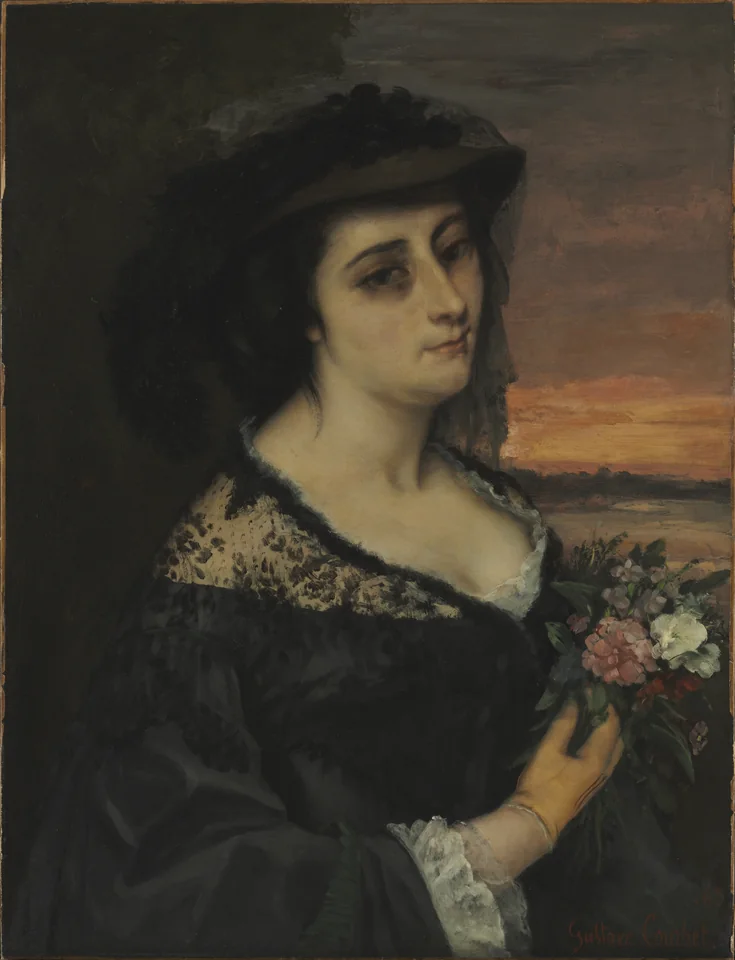
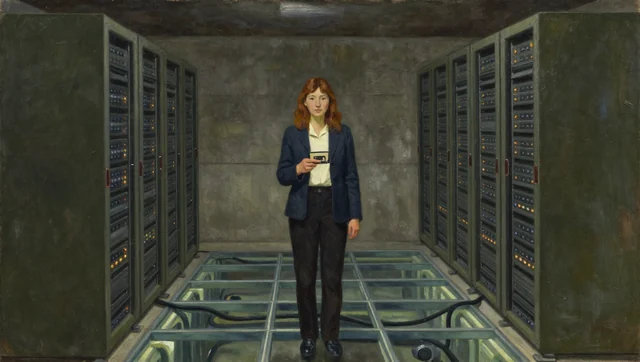 XenLook AI interpretationDocentMarianRealismc. 1848 to the 1870s · 11 originals · 3 AI interpretationsAfter the revolution of 1848, French painters set ordinary people and the land before their eyes in the place of myth and idealised heroes. Courbet said he would paint only what he could see, Daumier bore witness to an event in a single lithograph, and Corot and the Barbizon painters painted the silvery air of forest and pond from direct looking. Read eleven real originals up close and see the picture as a record.Enter the room
 Original
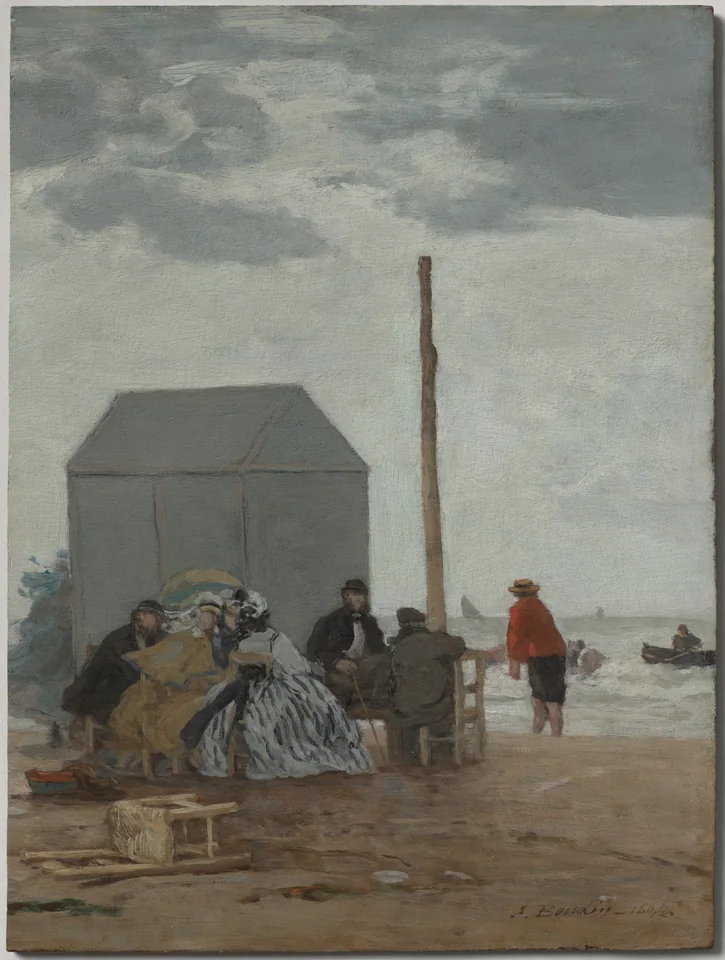
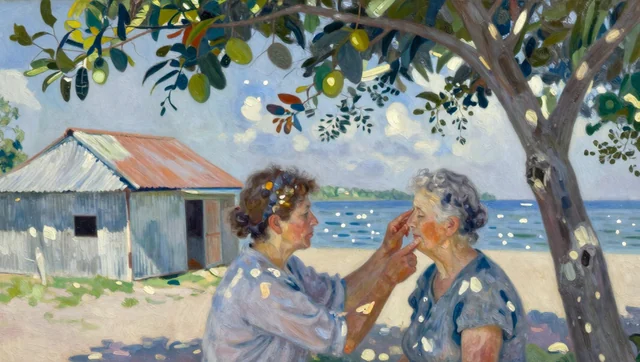 XenLook AI interpretationDocentSylvieImpressionismLate 1860s to the 1880s · 11 originals · 3 AI interpretationsA way of painting in which young French painters of the 1870s left the smooth pictures of the Salon, went outdoors and caught the changing moment of light in short touches. In this room you look at eleven real works by Boudin, Monet, Pissarro, Sisley, Morisot, Caillebotte and the Swedish artist Anders Zorn and follow with your eyes how sky, water and shadow are built from colour.Enter the room
 Original
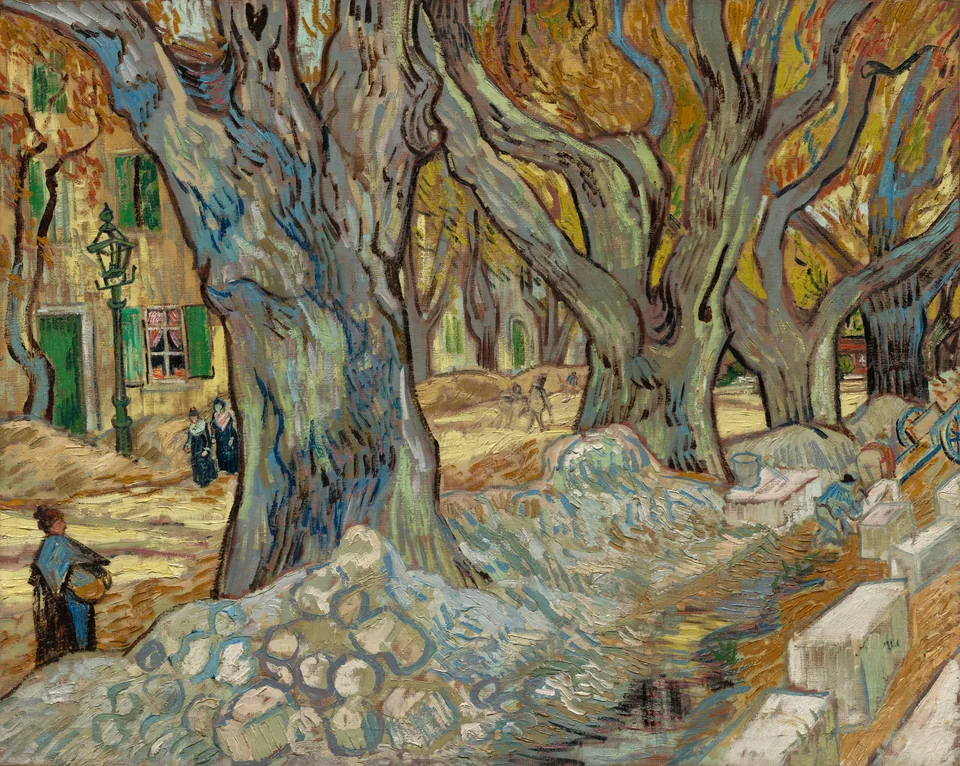
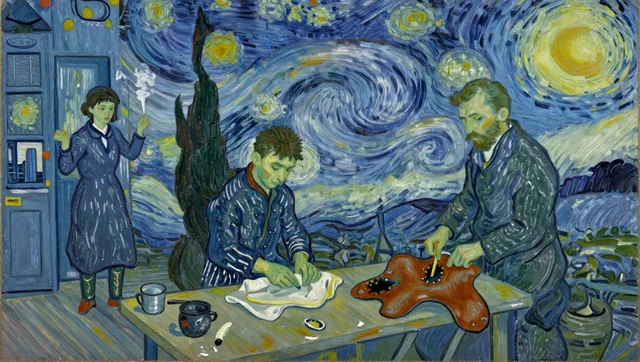 XenLook AI interpretationDocentLucaPost-Impressionismc. 1886 to the 1900s · 11 originals · 3 AI interpretationsA current in which, after the last Impressionist exhibition in 1886, French painters went their different ways. Seurat went by the dot, van Gogh by thick strokes, the Nabis by flat colour areas and Redon by flowers risen in the mind. In this room you follow with your eyes the places where the painter's hand passed, before eleven real works by van Gogh, Seurat, Cross, Redon, Vuillard, Bonnard, Vallotton and Rivière.Enter the room
 Original
 XenLook AI interpretation
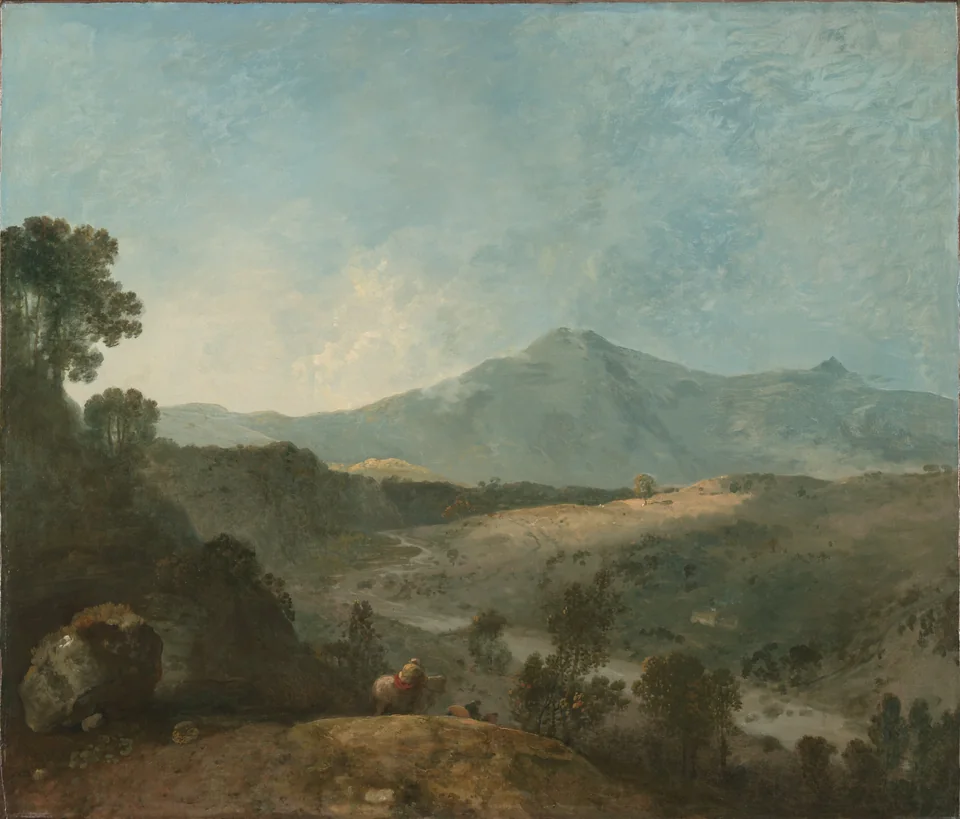
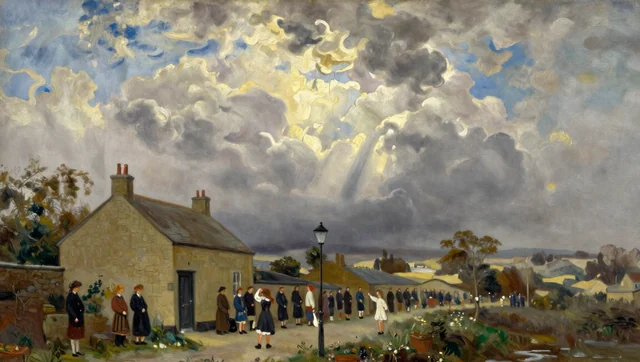
 DocentSophiaEnglish LandscapeMid-18th to early 19th century · 9 originals · 3 AI interpretationsA current from the later eighteenth to the early nineteenth century in which English painters made the mountains, ponds, fields and sky of their own places the leading characters of landscape itself. Wilson and Gainsborough set the frame, Cozens and Girtin grew watercolour, and Constable caught cloud and weather outdoors. In this room you follow the road along which cloud and light flow, before nine real works by Wilson, Gainsborough, Constable, Cozens, Bonington and Turner, and by Lorrain, the French master English painters took as their model.Enter the room
 Original
 XenLook AI interpretation
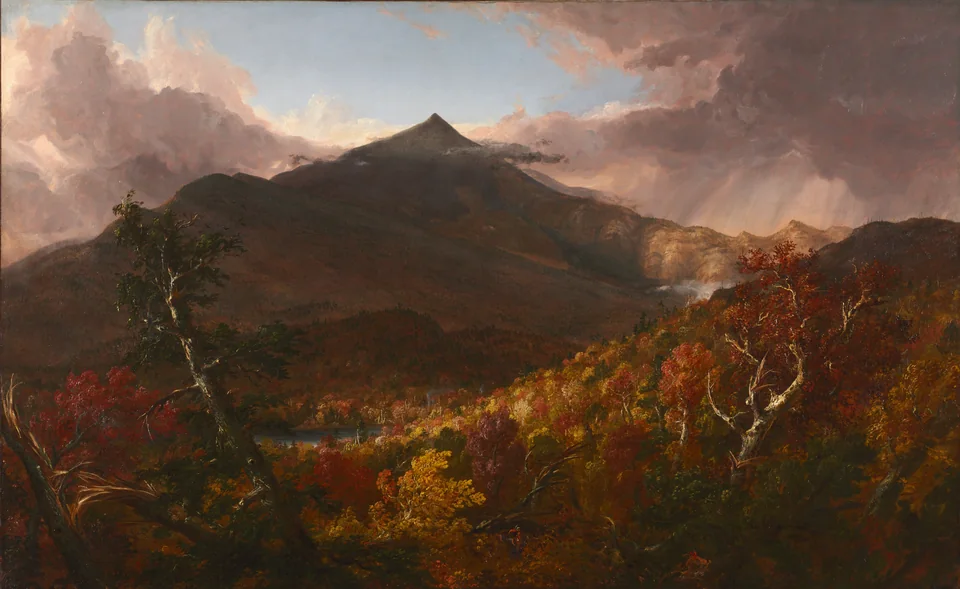
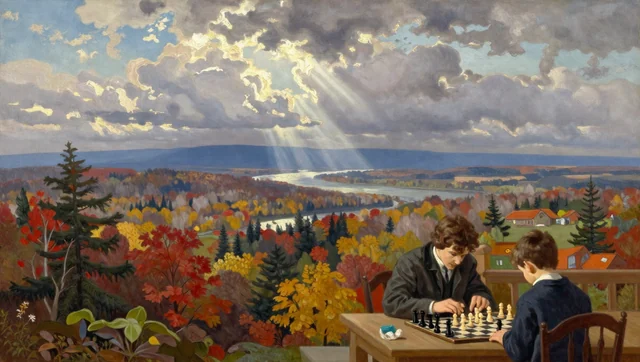
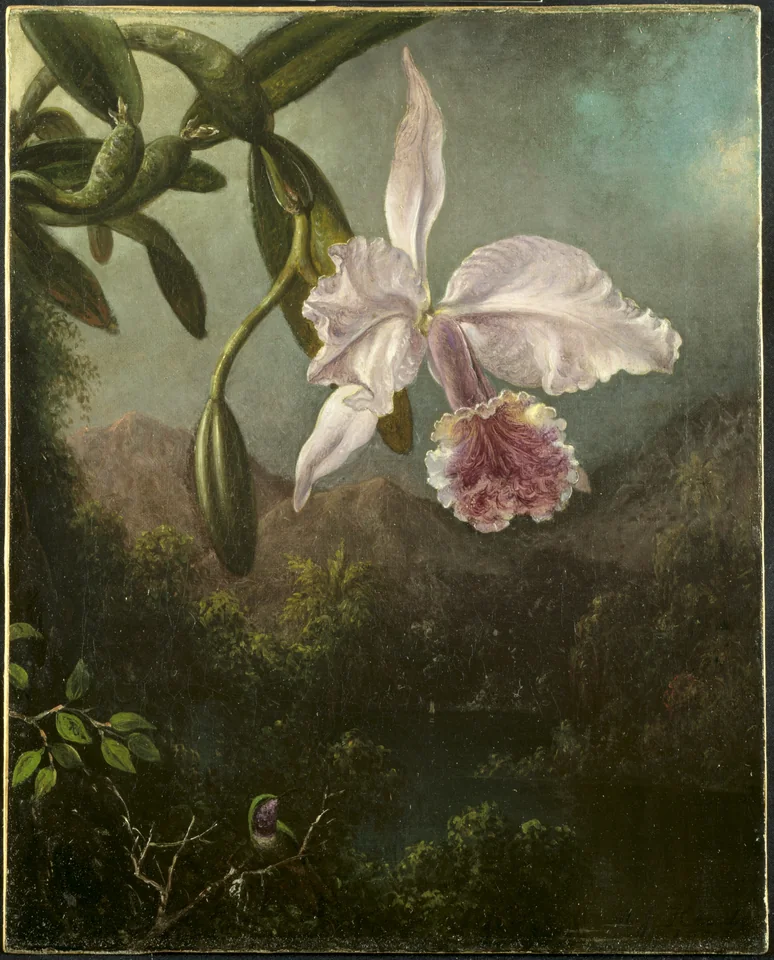
 DocentNoah David ColeHudson River School — Painting a Land Still EdenMid-19th century · 7 originals · 3 AI interpretationsThe Hudson River School is a 19th-century American current of landscape painters who painted the Hudson Valley, the Catskills, the Adirondacks and the White Mountains on a large and grand scale. The name came later and was first used to belittle them. In this room you look at originals by Cole, Durand, Church, Bierstadt, Gifford and Heade, and study the sublime view, the lightning-blasted tree, and pictures of light and haze.Enter the room
 Original
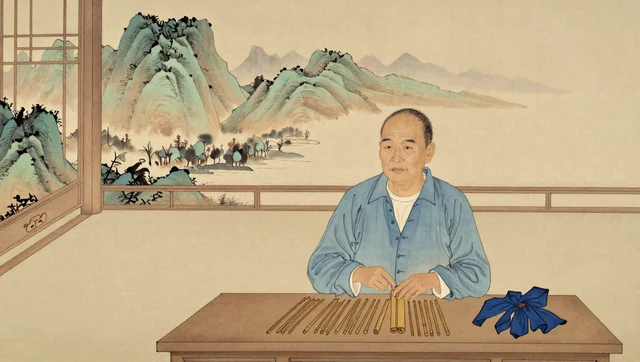 XenLook AI interpretation
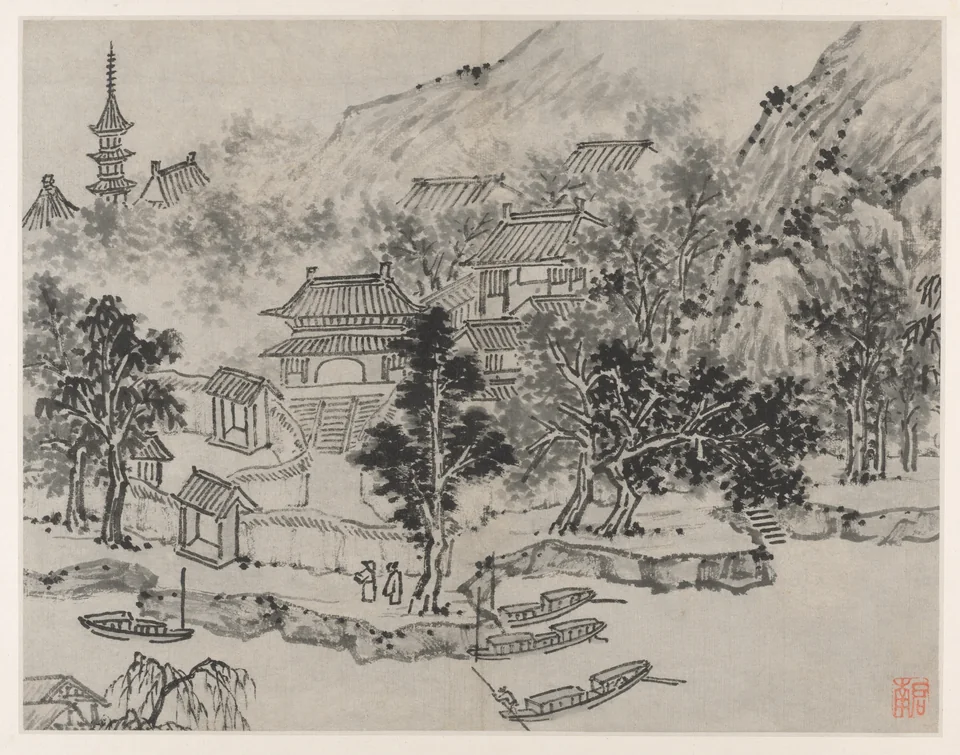
 DocentWangYing (王英)Wu School (吳門畫派) — Suzhou Literati Writing the Mind with the BrushMid-Ming dynasty · 11 originals · 3 AI interpretationsThe Wu School was a current of literati painters active in Suzhou (蘇州) during the Ming dynasty. Beginning with Shen Zhou, Wen Zhengming, Tang Yin and Qiu Ying made their names. They painted landscape and flowering trees in ink and light colour, and wrote poems and calligraphy directly on the picture to show the mind. In this room, eleven originals from the Cleveland Museum of Art let you read inscriptions, the cut branch, the following of old masters, and a misty landscape.Enter the room
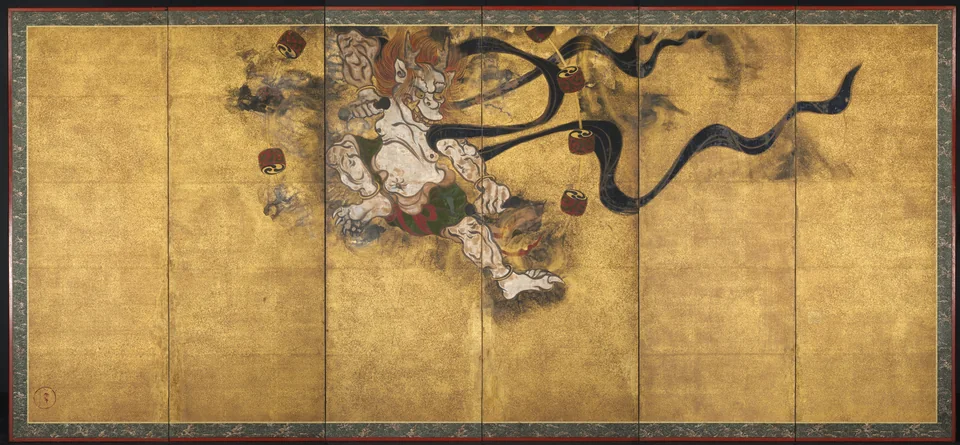 Original
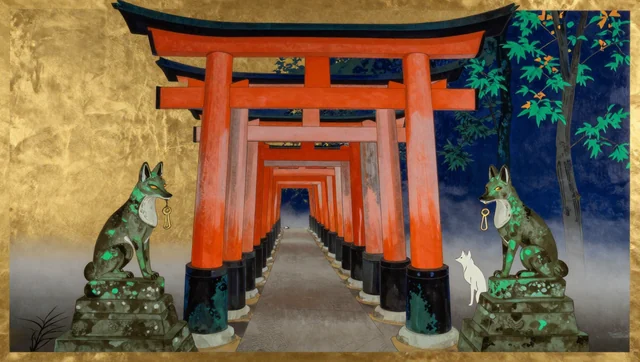 XenLook AI interpretation
 DocentShizuka (静香)Zenko, a benevolent fox spirit (zenko) of Fushimi InariRinpa (琳派) — Kyoto Design Laying the Seasons on GoldEarly Edo period to the modern era · 11 originals · 3 AI interpretationsRinpa (琳派) is a decorative painting tradition opened in 17th-century Kyoto by Hon'ami Kōetsu and Tawaraya Sōtatsu, and given its name through Ogata Kōrin and his brother. Flowers, waves and gods are set large and simple on gold grounds, and pooled pigment is a favourite effect. It was not a school of masters and pupils: later artists reinterpreted the work of those they admired. This room brings together screens, ceramics and a woodblock album leaf.Enter the room
Rooms
Masters annex
Rooms for one painter's way of painting. Each room links back to the movement that painter belongs to.
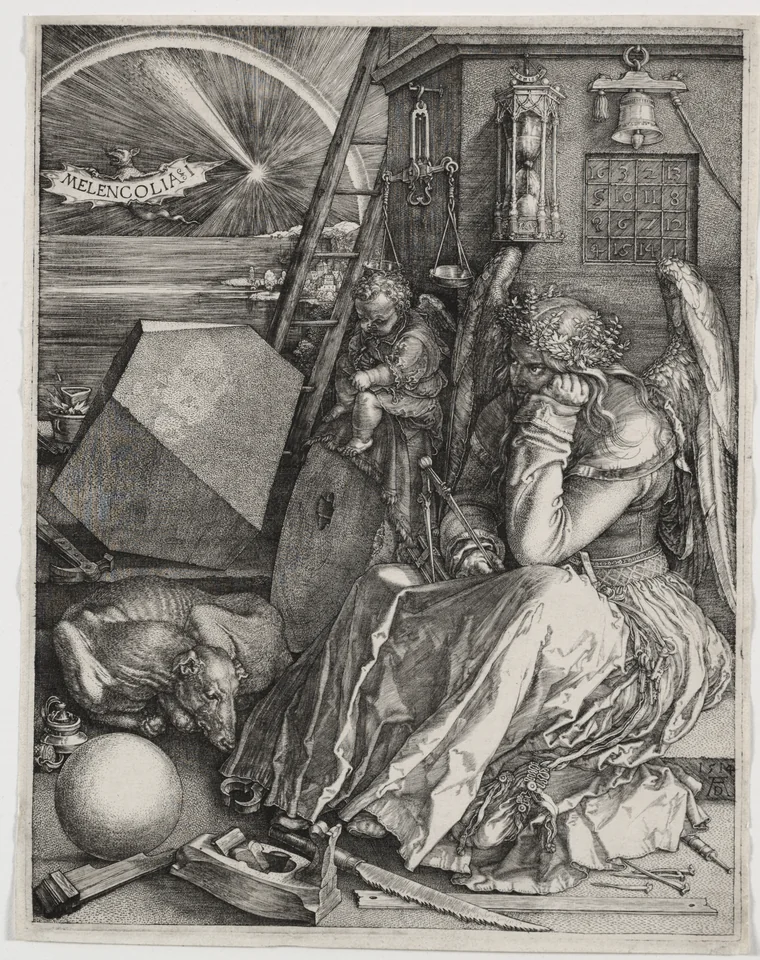 Original
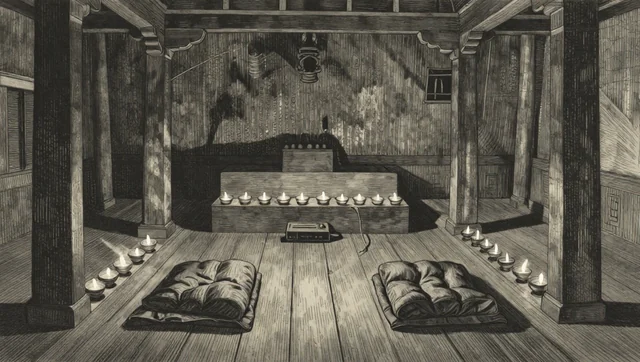
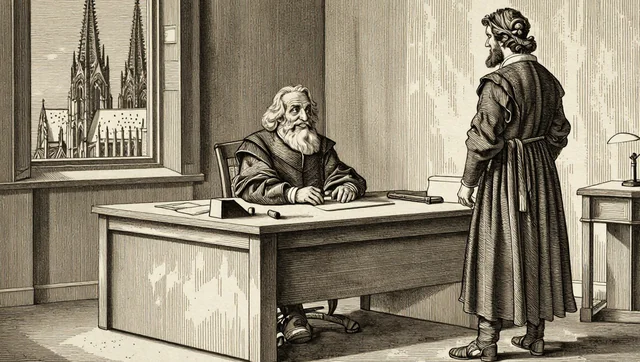 XenLook AI interpretationDocentStefan BeckerAlbrecht Dürer1490s to 1528 · 6 originals · 3 AI interpretationsAlbrecht Dürer (1471 to 1528) was born into a goldsmith's family in Nuremberg, Germany, and raised printmaking into a major European art. With fine lines scratched into copper by the burin he built up light and shadow, and in woodcut he set the scenes of the Book of Revelation large on the sheet. He understood the power of a single plate yielding many identical sheets, and he cut his initials, the AD monogram, into nearly every work. In this room you can look closely at the angel of melancholy, the knight with Death, the four horsemen, the rhinoceros, the arm of Eve and Saint Jerome in his study.Enter the room
 Original
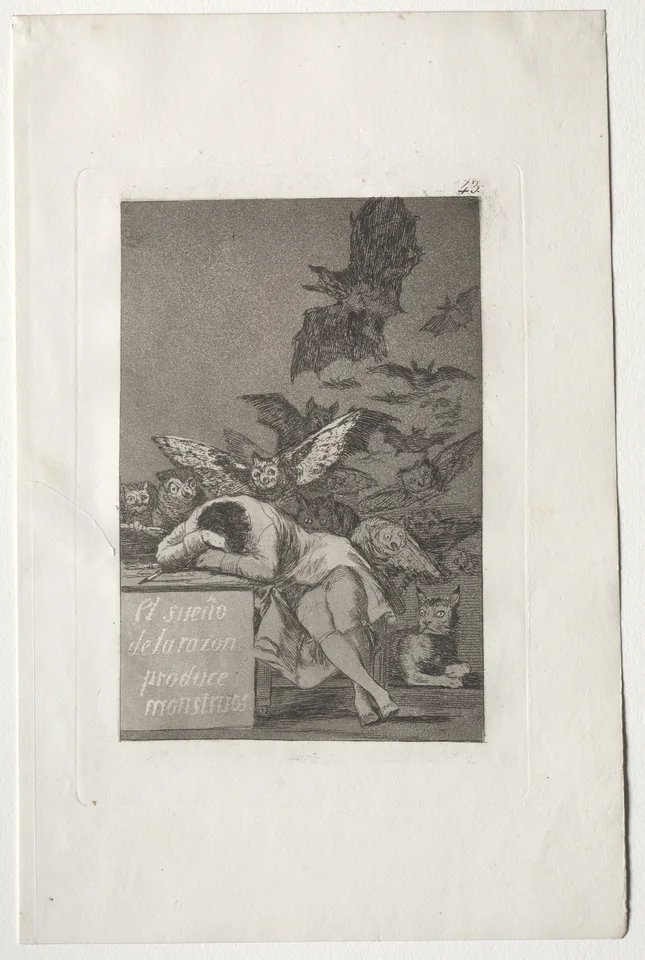
 XenLook AI interpretationDocentCarlosFrancisco de Goya1770s to 1828 · 11 originals · 3 AI interpretationsFrancisco de Goya (1746 to 1828) was born in a small village in Aragon, rose to the post of court painter, and, after an illness left him deaf, recorded the darkness of the world in prints. He laid down misty grey planes with aquatint and scratched faces and bodies with etched line, drawing monsters waking where reason sleeps and the ruin that war leaves behind. Many of his series could not reach the public while he was alive. In this room you can look closely at the sleep of reason, the death of truth, an accident in the bullring, a flying folly, a friend's portrait and the bulls of Bordeaux.Enter the room
 Original
 XenLook AI interpretation
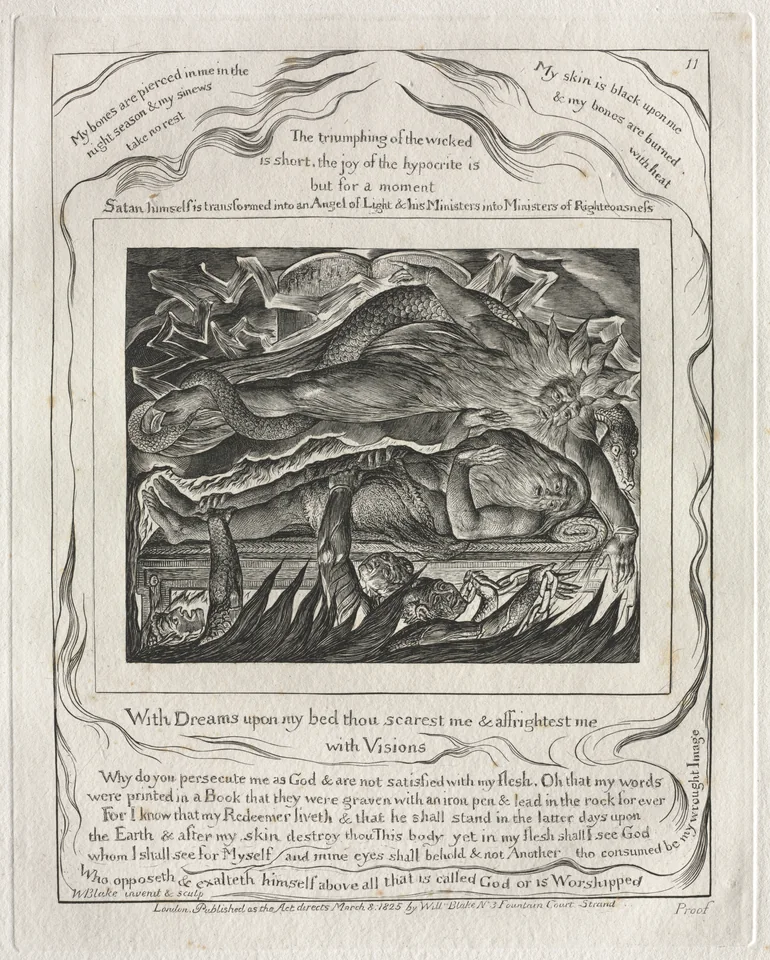
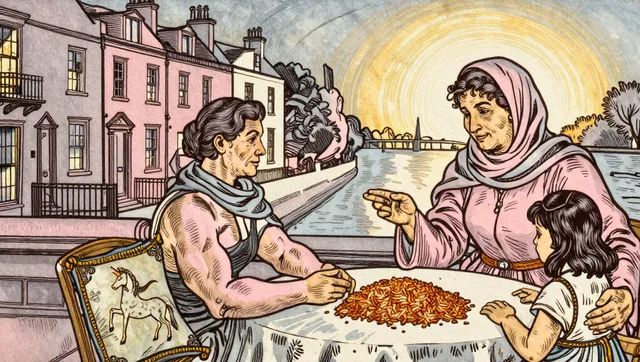
 DocentUniUnicornWilliam Blake1770s to 1827 · 6 originals · 3 AI interpretationsWilliam Blake (1757 to 1827) was born in Soho, London, trained as an engraver's apprentice, and became a poet and painter who set word and picture together on a single copper plate. With relief etching, a method of his own devising, he printed Songs of Innocence and coloured each sheet by hand, and at the end of his life he left the Book of Job series in firm, clear line engraving. He said that from childhood he saw angels and visions, and he tried to hold those visions in visible form rather than measure them with the yardstick of reason. He sold almost nothing in his lifetime, but today he stands among the great names of English Romanticism.Enter the room
 Original
 XenLook AI interpretation
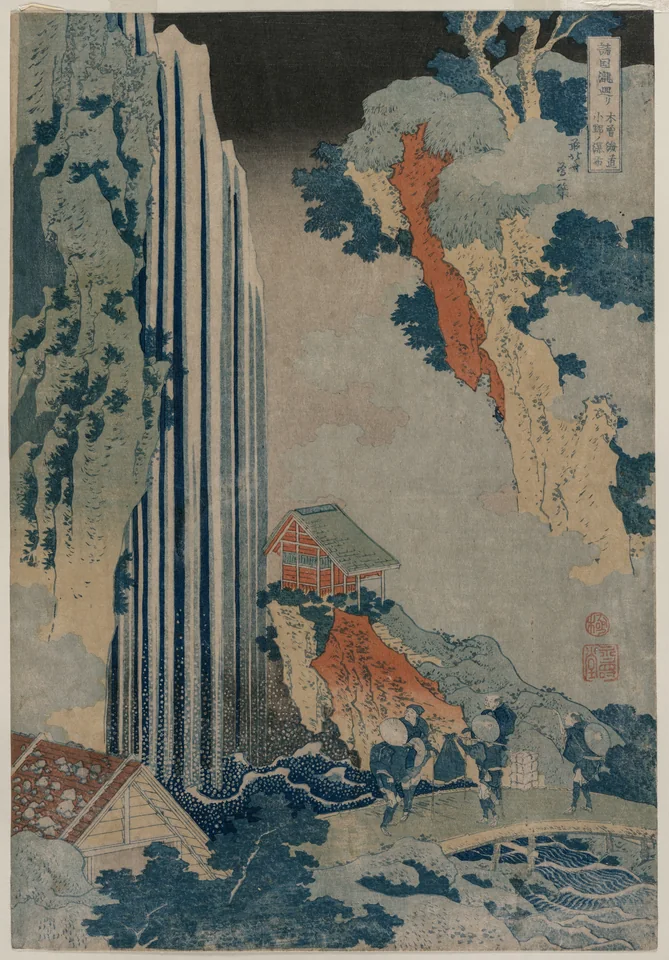
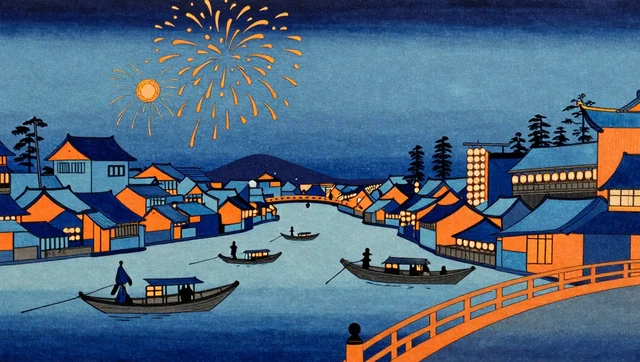
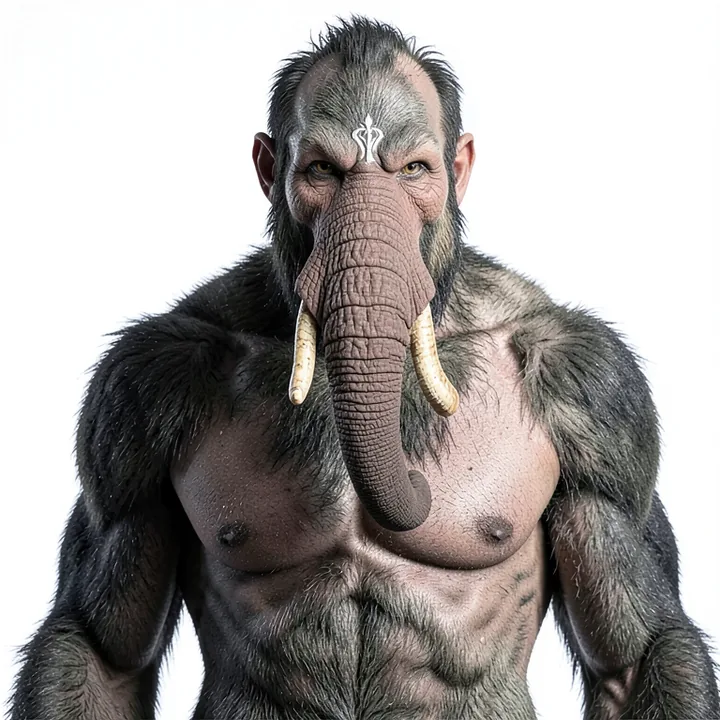 DocentBakuDream-eating beast (baku)Katsushika Hokusai1760–1849 (Edo period) · 10 originals · 3 AI interpretationsKatsushika Hokusai (1760–1849) was an Edo artist who changed his name more than thirty times while he drew. Instead of the Mount Fuji series, this room looks at a waterfall, peonies, carp, a moon-viewing poem print, a single sketch page, old bridge views, a warrior print and a silk hanging scroll, ten real works from the Cleveland Museum of Art and The Metropolitan Museum of Art, to follow how widely one person carried the world on a single line.Enter the room
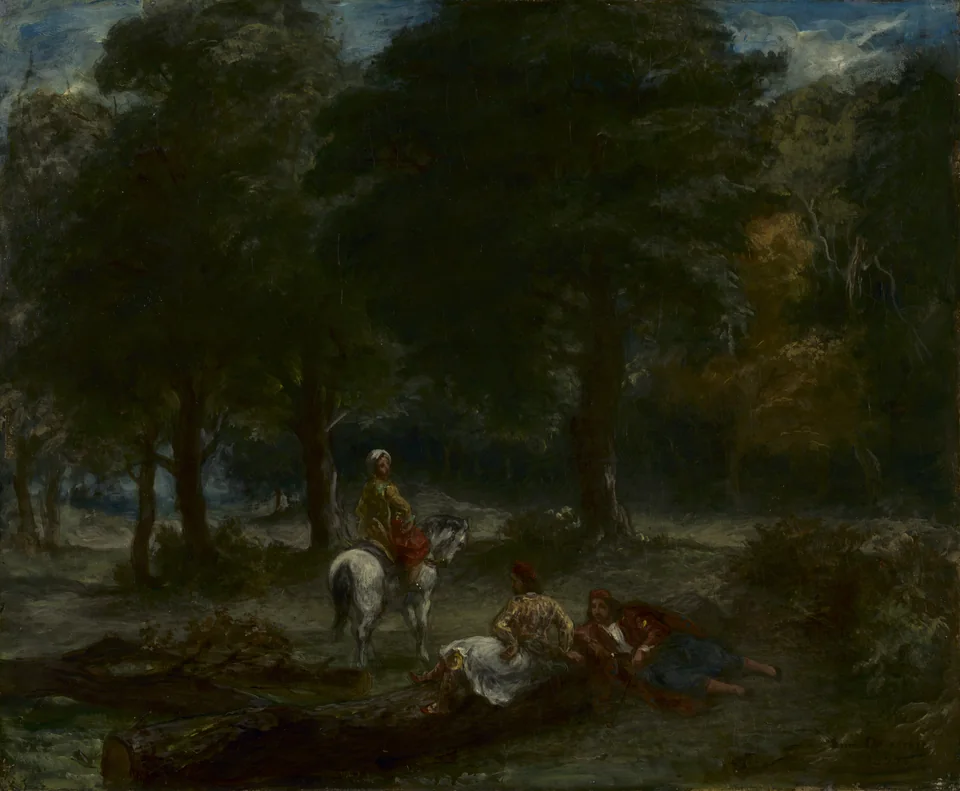 Original
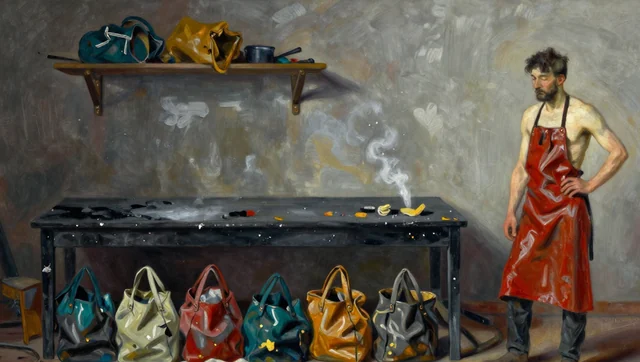 XenLook AI interpretationDocentLucaEugène Delacroix1820s to 1860s · 5 originals · 3 AI interpretationsEugène Delacroix (1798–1863) led French Romanticism. He is best known for Liberty Leading the People, which shows the July Revolution of 1830, but all his life he moved between oil, watercolour, lithography, portraiture and mural work. Rather than a crisp outline he used brushwork and the clash of colours to carry the force of a scene. He turned Shakespeare and Goethe into lithographs, and on his journey to Morocco in 1832 he caught unfamiliar light and colour in small watercolour sketches. The five works in this room each use a different material, so you can see how one hand speaks differently in each.Enter the room
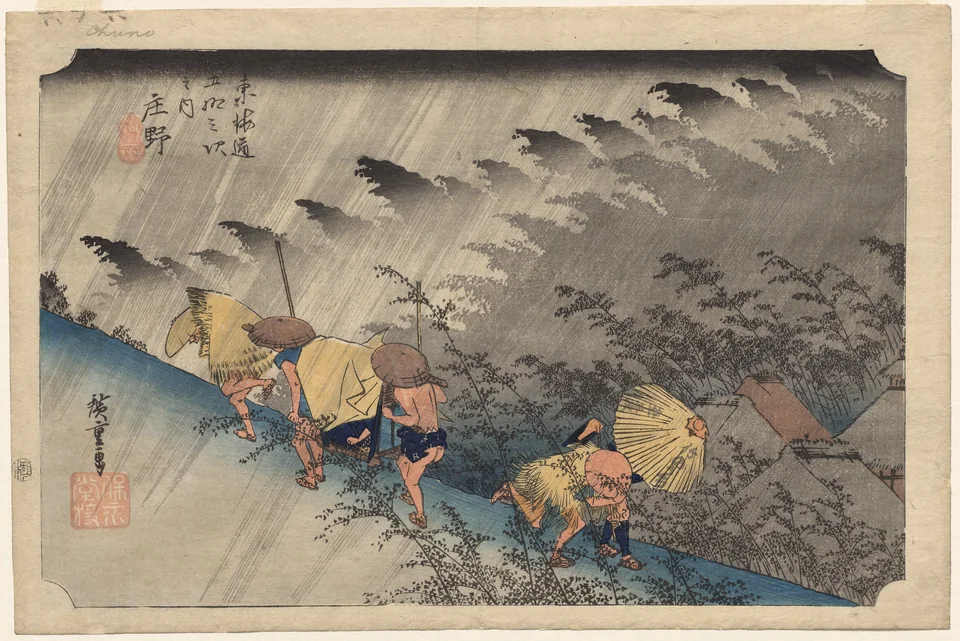 Original
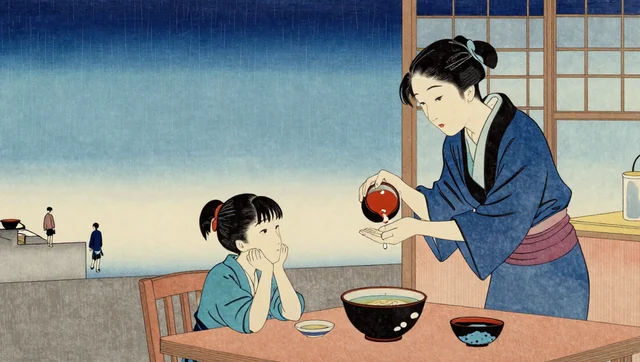 XenLook AI interpretation
 DocentHanaUtagawa Hiroshige1797–1858 (late Edo period) · 10 originals · 3 AI interpretationsUtagawa Hiroshige (1797–1858) was an Edo artist who set the air of rain, night, evening light and travel roads into woodblock prints. In this room ten real prints from the Cleveland Museum of Art follow his gentle gaze, among them a downpour from the Tōkaidō series, a night-weeping stone, fireworks at Ryōgoku, an inn on the Kisokaidō, and a bird-and-flower picture.Enter the room
 Original
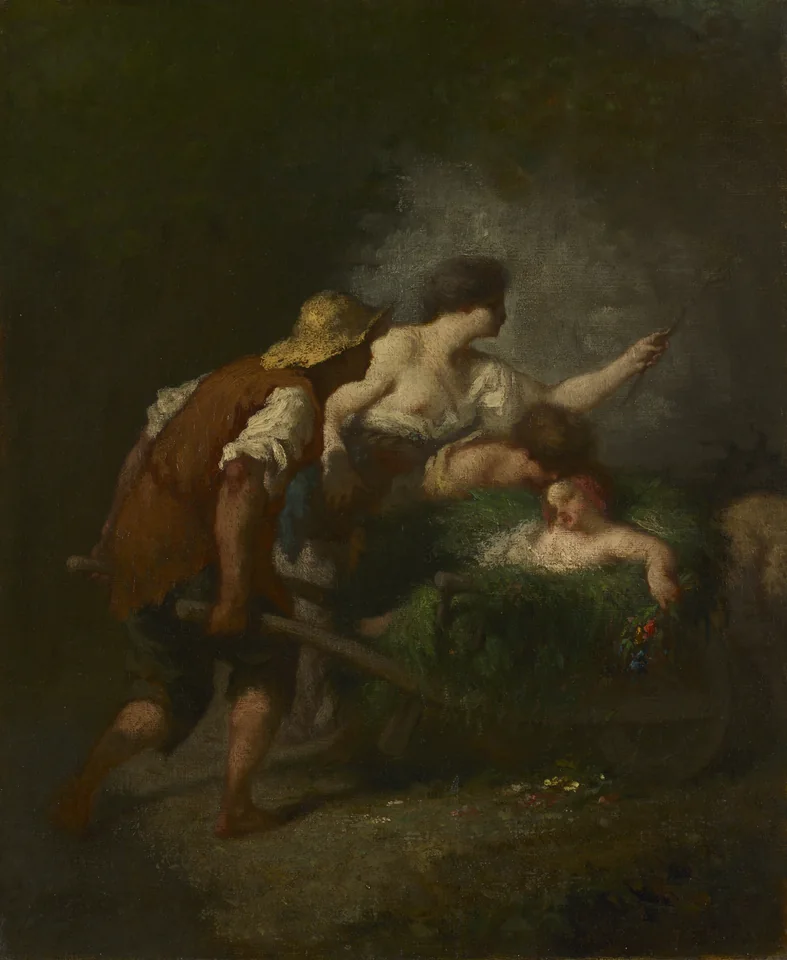
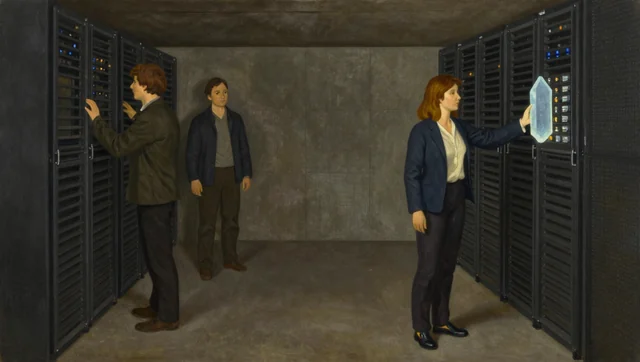 XenLook AI interpretationDocentMarianJean-François Millet1840s to 1870s · 5 originals · 3 AI interpretationsJean-François Millet (1814–1875) was born on a Normandy farm, learned painting in Paris, settled in the village of Barbizon in 1849 and painted the work of peasants for the rest of his life. The Sower, The Gleaners and The Angelus are counted among his masterpieces, and besides oil he gladly used etching, black-crayon drawing and pastel. He neither dressed farmers up as heroes nor made them objects of pity, but tried to show the weight of what a body does. The five works in this room show a family coming home from the fields, gleaners bent over the stubble, parents around a sick child, a child taking first steps and two men digging the ground.Enter the room
 Original
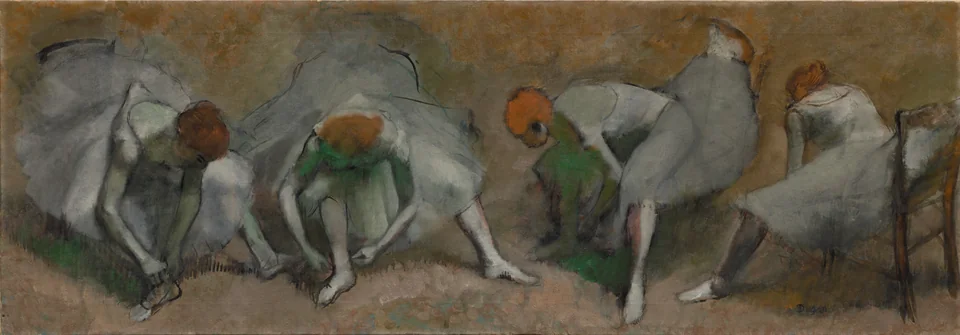
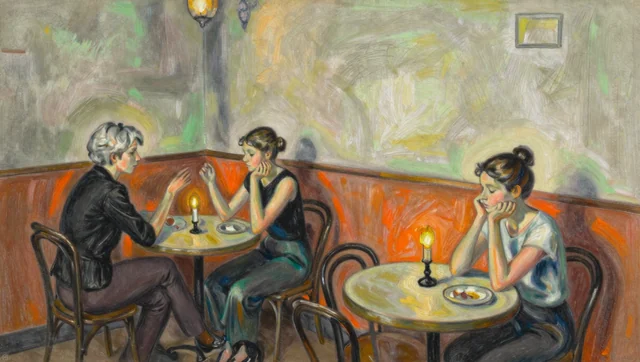 XenLook AI interpretationDocentSylvieEdgar Degas1860s to 1910s · 8 originals · 3 AI interpretationsEdgar Degas was born in Paris and painted dancers, racecourses and laundresses. He joined almost all of the eight Impressionist exhibitions, yet said he worked not by impulse but by long study. He layered pastel and crossed over to monotype, etching and wax sculpture. In this room, eight works from the Cleveland Museum of Art and The Metropolitan Museum of Art let you follow his eye.Enter the room
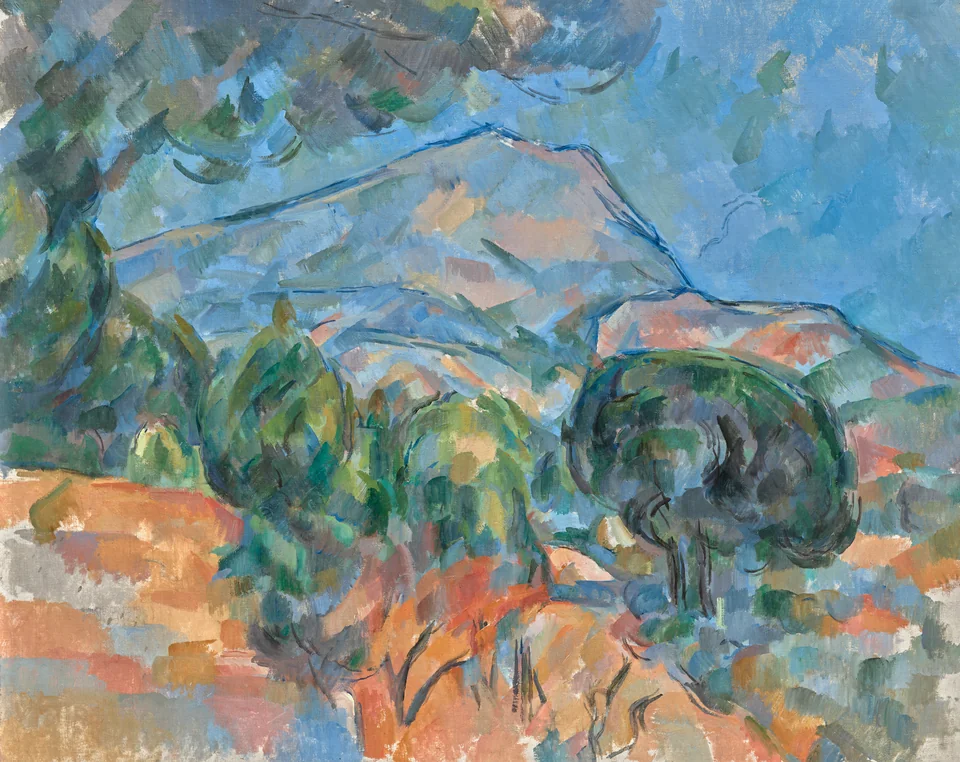 Original
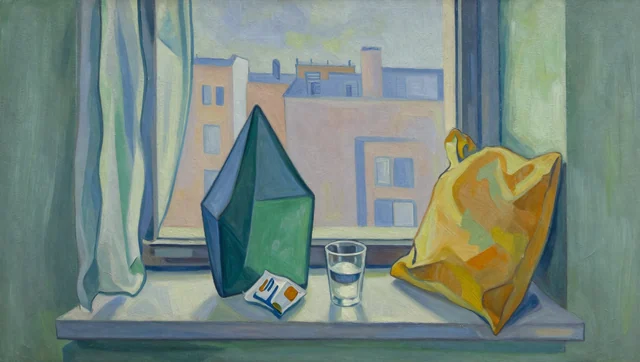 XenLook AI interpretationDocentMarianPaul CézanneFrom Impressionism to Post-Impressionism, 1860s to 1906 · 5 originals · 3 AI interpretationsPaul Cézanne was born in Aix-en-Provence in the south of France and spent his life painting his home hills and woods, apples and bathers. He kept company with the Impressionists, but instead of chasing vanishing light he built what stood before him, solidly, from small strokes and layers of colour. He was mocked at first and recognised late in life, yet his method became the bridge to Cubism. In this room five works, a mountain, a brook, a tower, a watercolour and a print, show slowly how he built the visible world.Enter the room
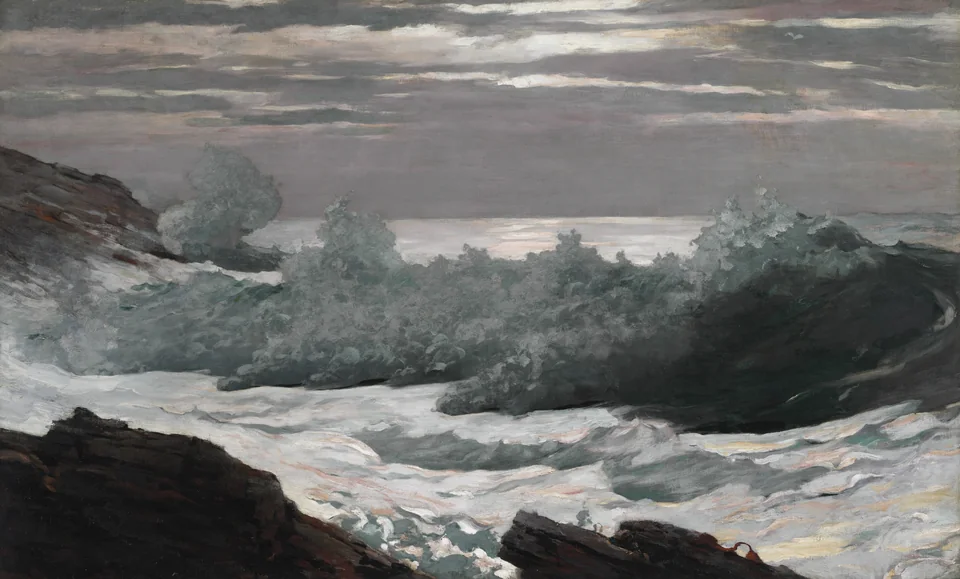 Original
 XenLook AI interpretationDocentChloeWinslow Homer1860s to 1900s · 11 originals · 3 AI interpretationsWinslow Homer (1836–1910) was an American painter, born in Boston, who began as a magazine illustrator, drew the front lines of the Civil War, and later painted the crashing surf at Prouts Neck, Maine. Besides oil he gladly used watercolour, wood engraving and etching, and after he began to use watercolour steadily at Gloucester in 1873 he seldom travelled without paper, brushes and paints. The six works in this room show the sea after a storm, girls waiting on a beach, a small canoe on a mountain lake, soldiers asleep in camp, two sailors taking the noon sun, and women working in a field.Enter the room
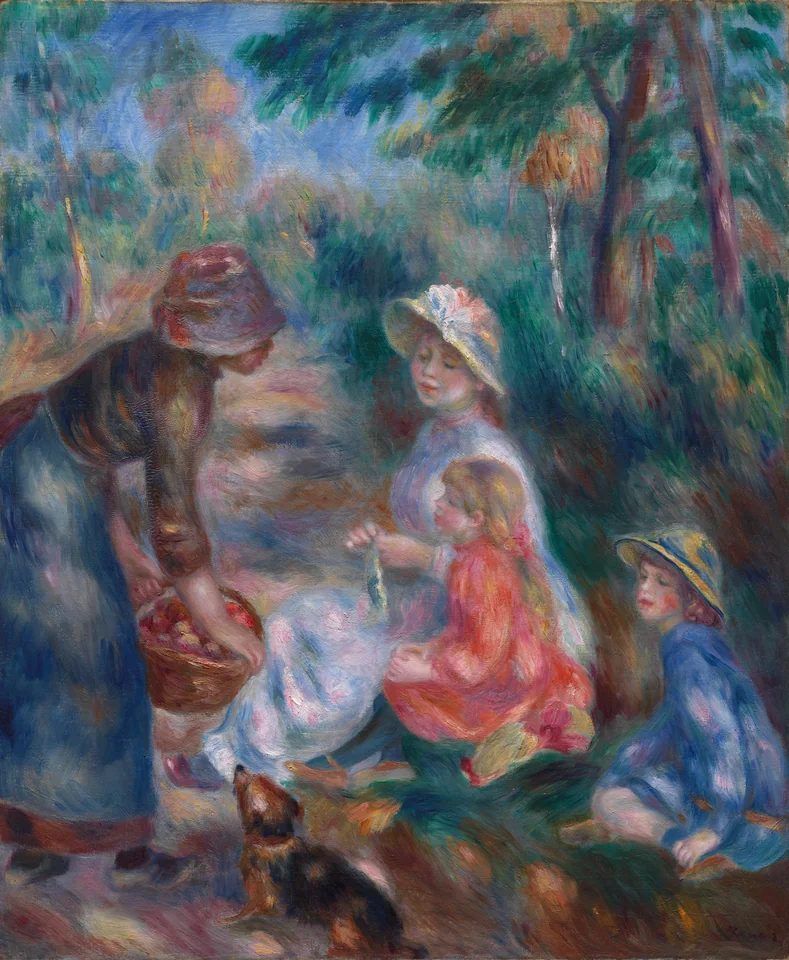 Original
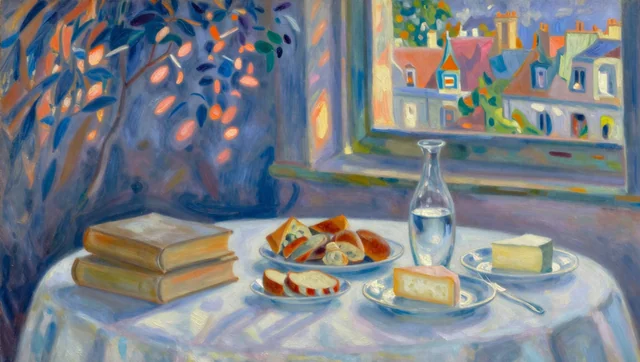 XenLook AI interpretationDocentMarianPierre-Auguste Renoir1860s to 1910s · 5 originals · 3 AI interpretationsRenoir was born in Limoges, started as an apprentice painting porcelain in Paris, and became a central painter of Impressionism. He loved warm flesh tones, flickering light, children, flowers and bathers, and painted into his last years even as his hands hurt. In this room, an oil, a pastel and a colour lithograph from the Cleveland Museum of Art follow his gentle eye.Enter the room
 Original
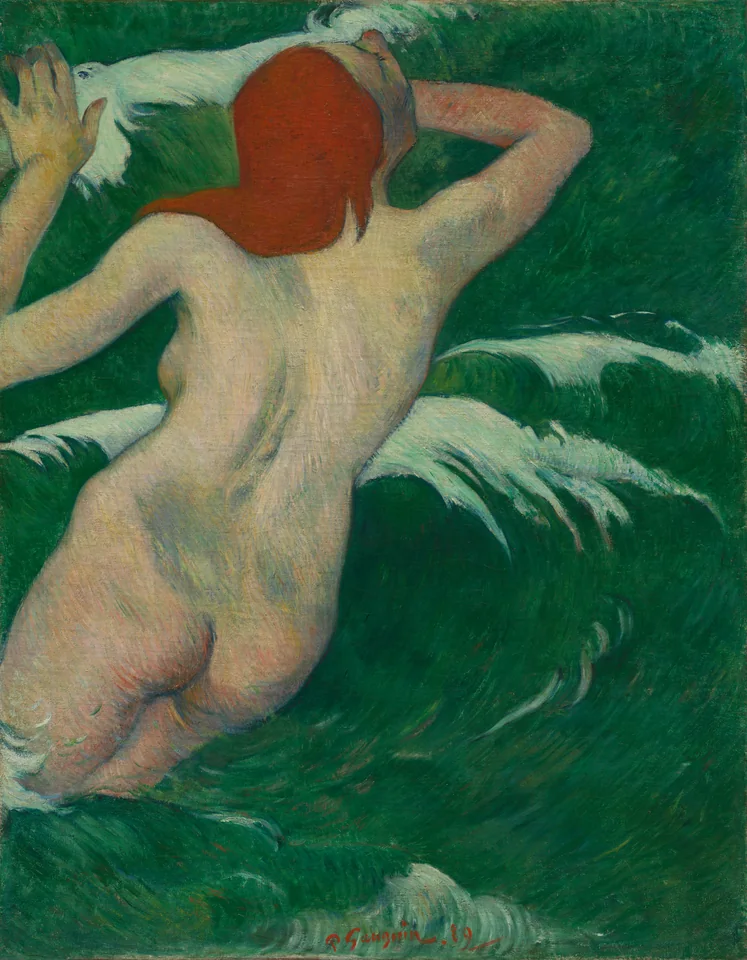
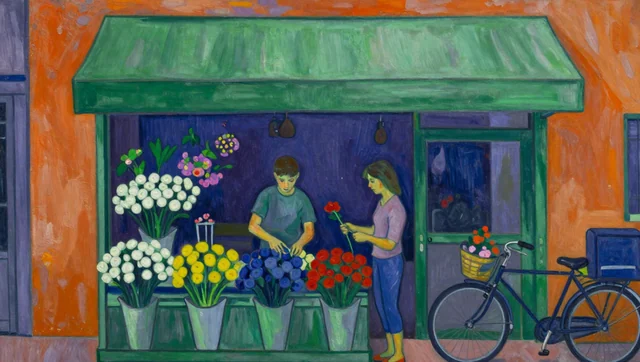 XenLook AI interpretationDocentLucaPaul GauguinPost-Impressionist period, 1880s to 1903 · 5 originals · 3 AI interpretationsPaul Gauguin was a French painter who worked as a stockbroker before giving himself to art in his thirties. At Pont-Aven in Brittany he led Synthetism (綜合主義), painting in bold outlines and flat areas of colour, and from 1891 he worked in Tahiti and the Marquesas. His daring non-naturalistic colour and simplified forms influenced later generations. Yet the Polynesia he saw lay under French colonial rule, and his relationships with local girls are sharply criticised today. This room reads the pictures together with their circumstances.Enter the room
 Original
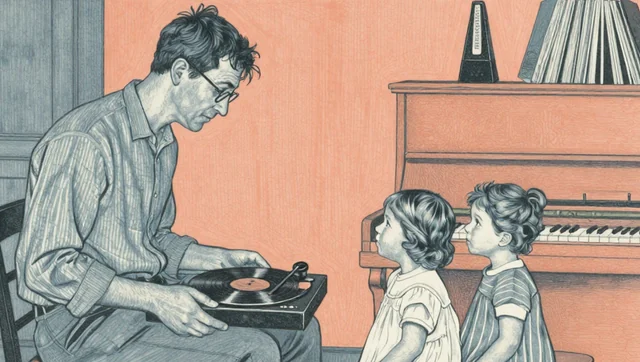 XenLook AI interpretation
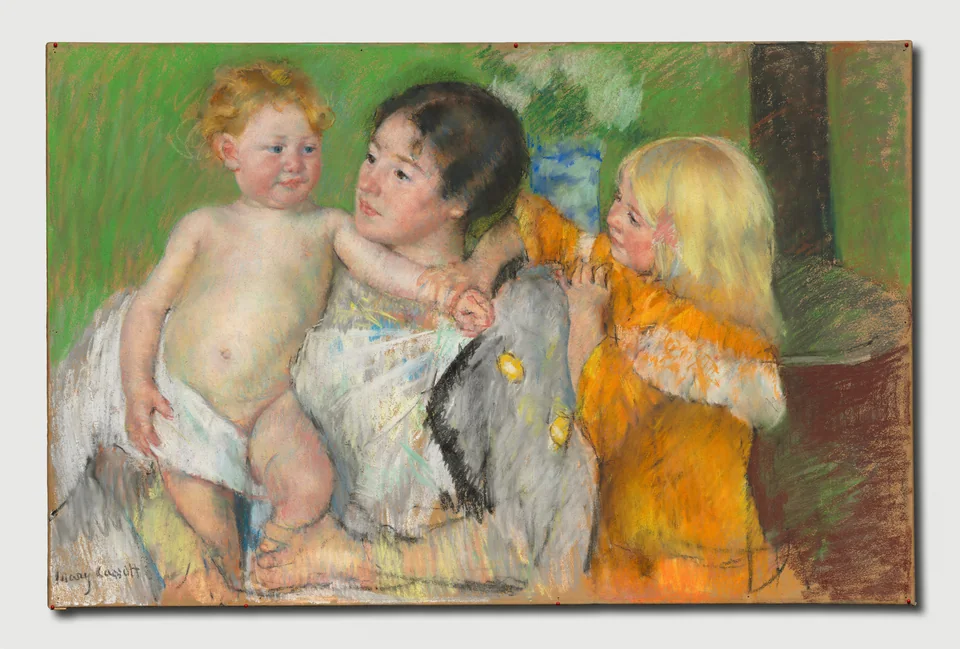
 DocentAmeliaMary Cassatt1860s to 1910s · 4 originals · 3 AI interpretationsCassatt was born in Pennsylvania, crossed to Paris, and was the only American officially associated with the Impressionist exhibitions. In pastel and colour prints she drew mothers, children and the daily lives of women, and her compositions calculate even the viewer's place. In this room you meet four works from the Cleveland Museum of Art: a pastel, a colour drypoint, a drawing and a print.Enter the room
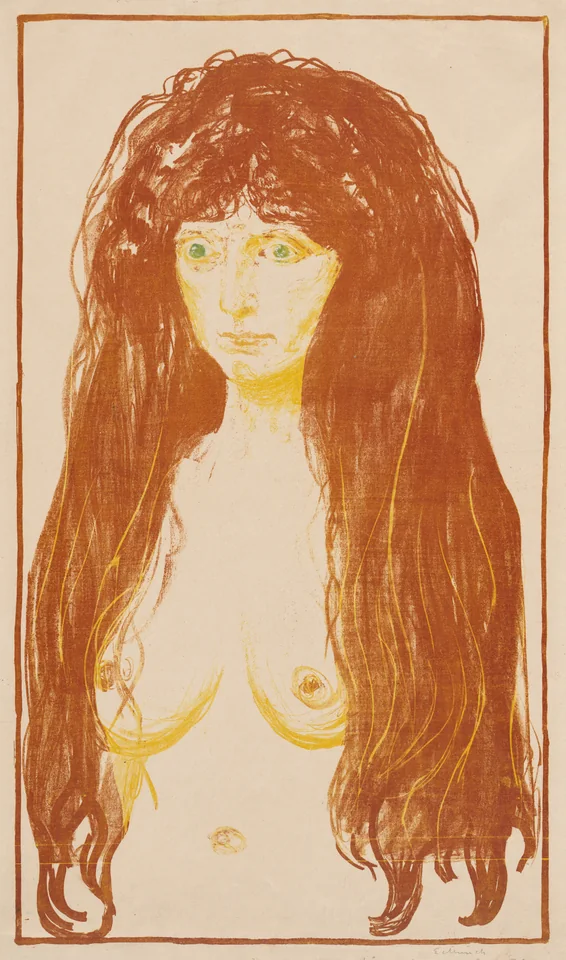 Original
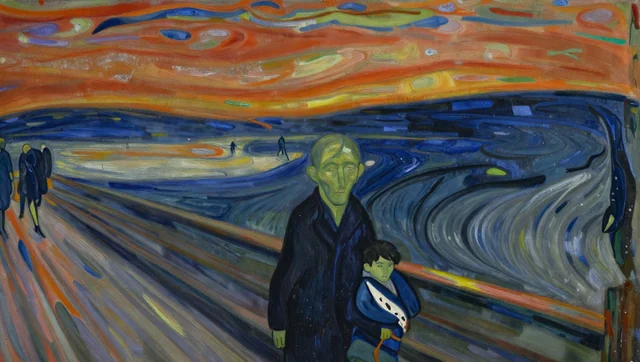 XenLook AI interpretation
 DocentThorThunder god (Norse)Edvard Munch1880s–1944 · 5 originals · 3 AI interpretationsEdvard Munch (1863–1944) was a Norwegian artist who carried one scene across paintings, lithographs, etchings and drypoints, building the great series he called the Frieze of Life. In this room, five real prints made open to the public by the Cleveland Museum of Art let you follow, spot by spot, how the same feeling takes a different face on each plate.Enter the room
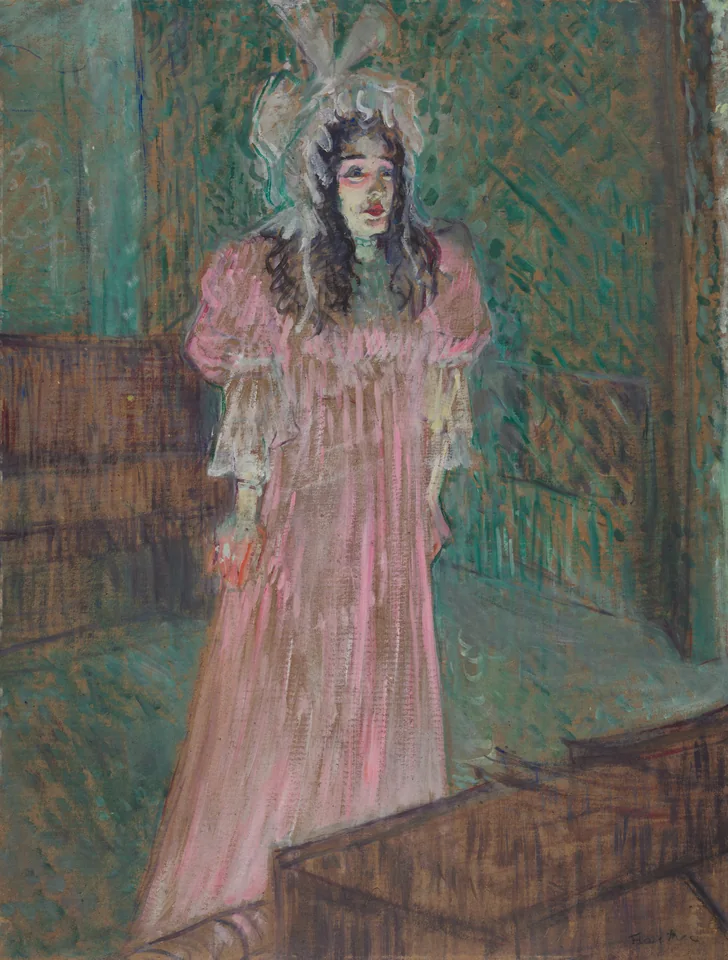 Original
 XenLook AI interpretationDocentSylvieHenri de Toulouse-LautrecPost-Impressionism, 1880s to 1901 · 10 originals · 3 AI interpretationsHenri de Toulouse-Lautrec was born into a count's family in the south of France and became the painter of the cabarets, theatres and backstage rooms of Montmartre in Paris. His legs stopped growing after he broke them at thirteen and fourteen, yet from that low eye level he saw the light of the stage and the breath of the audience more closely than anyone. With short outlines and flat areas of colour he caught a singer or dancer in a single moment, and by sending lithograph posters out into the street he made pictures everyone's. He lived thirty-six years and left thousands of works. In this room you meet five of them, from the stage, the racecourse and a quiet room.Enter the room
Rooms
Modern illustration wing
Today's picture genres. No invented history: you learn the tools and rules each genre uses.
 Original
 XenLook AI interpretation
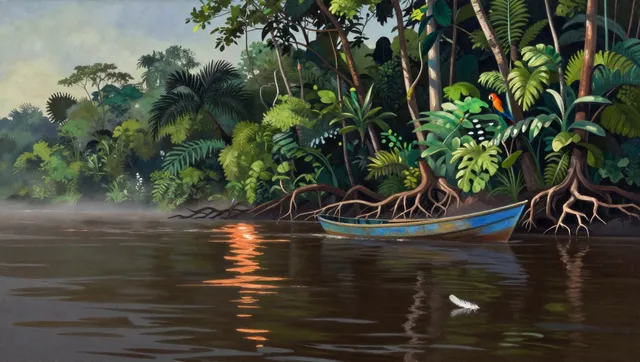
 DocentKurupiraCurupira (forest guardian)Amazon River Painting: The Forest in Black WaterA lineage from 19th-century travelling painters · today's AI interpretations · 2 originals · 15 AI interpretations“Amazon River Painting” is not the name of a historical school. It is the name this room gives to a modern genre. Water as dark as strong black tea, flooded roots, forest in many layers and small boats fill the picture. The human story is told less through faces than through lamps, riverside houses and boats. In this room we look at the real lineage these pictures lean on, the method for painting light reflected in water, and the AI interpretations made from Kurupira's life story.Enter the room
 XenLook AI interpretation
 DocentImugi (Yongho)Imugi, the Korean pre-dragonKorean Mythic InkA genre of today · 13 AI interpretationsA genre of today that tells the story of the imugi and the dragon in the grammar of Korean ink painting: dark and pale ink, ink that spreads, empty paper, and one touch of light colour laid on top. This room shows no old originals. It explains the tools and rules of ink painting and the real roots of dragon pictures and imugi tales, then shows AI interpretations drawn from the life story of the agent Yongho.Enter the room
 XenLook AI interpretation
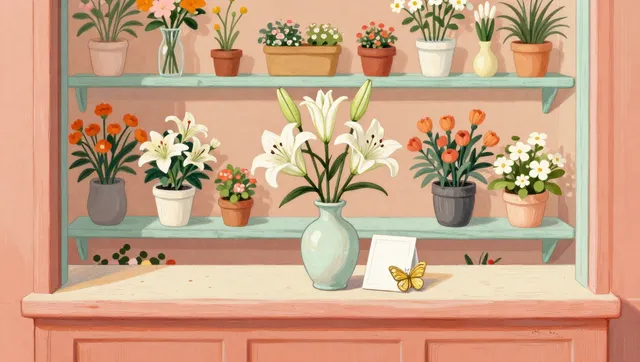
 DocentYunaPicture-Book Gouache: Flat, Warm Colour FieldsGouache is over a thousand years old; the picture books here date from 1995 · 14 AI interpretationsA picture book’s images reach the heart before the words do. This room explores that feeling through a paint called gouache. Gouache is mixed with water yet strongly opaque, and it dries to a soft matte finish. Suzy Lee, Baek Hee-na and Kwon Yoon-duck, leading names in Korean picture books, each work in different materials. So this room studies no single artist. It studies the mood they share: flat colour areas and a warm palette. Every picture here is an AI interpretation.Enter the room
 XenLook AI interpretation
 DocentHongpeiWebtoon Ink: Vertical Stories and One Line of VermilionWebtoons began in the early 2000s; the ink tradition is over a thousand years old · 14 AI interpretationsA webtoon is a vertical comic read by moving a finger down the screen. In Korea it began on portal sites in the early 2000s and has become a way of telling stories that the world reads. This room looks at that way of reading together with the dark tones of ink painting. Clear outlines, one thought per scene and one eye-catching line of vermilion are the keys. Our pictures are not real webtoons. They are AI interpretations, in ink tones, of the life story of the agent Hongpei.Enter the room
 Original
 XenLook AI interpretation
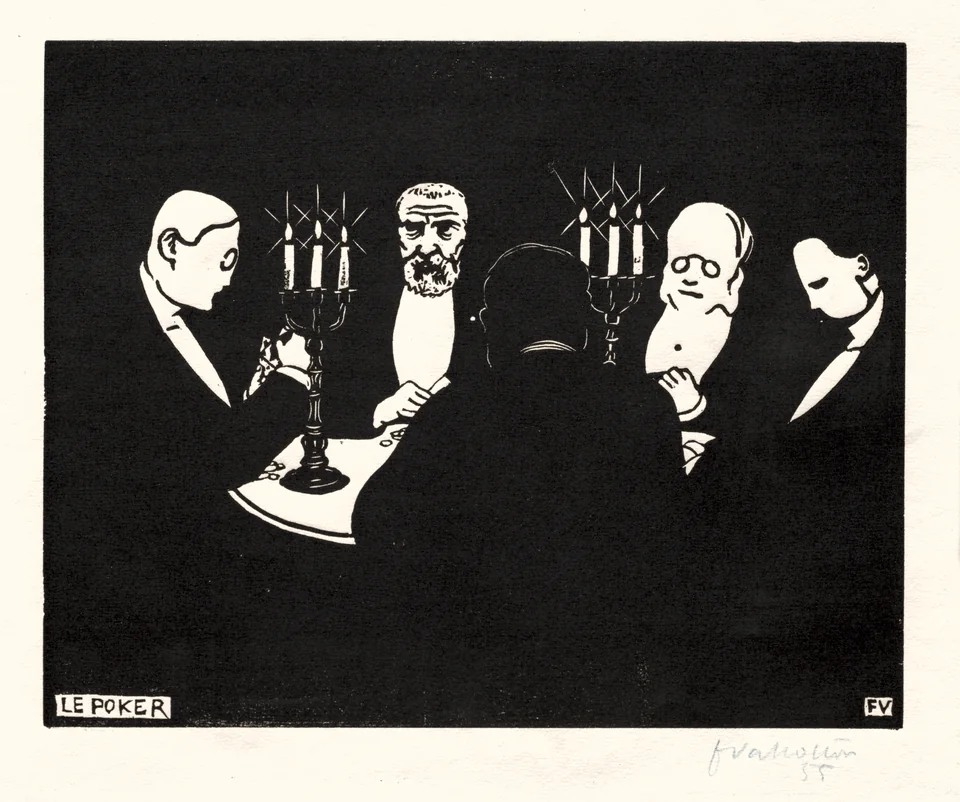
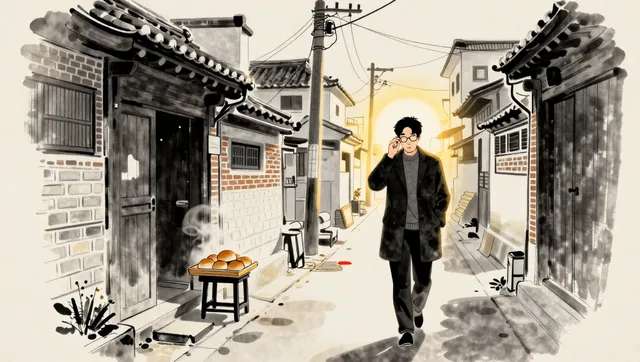
 DocentMinsuKorean Editorial Noir: Ink, Darkness and One Vermilion AccentA genre of today, rooted in 1890s woodcuts and 1940s cinema · 3 originals · 14 AI interpretationsKorean editorial noir draws rainy Seoul nights and lamplit rooms in black ink and heavy light and shade. It gathers the bleed of ink wash, the black masses of woodcut and the single-direction light of film into one scene. You meet the real thing in three woodcuts by Vallotton and Kollwitz, shared openly by the Cleveland Museum of Art, while our pictures are AI interpretations of Minsu's life story. Look for where the single touch of vermilion sits.Enter the room
 Original
 XenLook AI interpretation
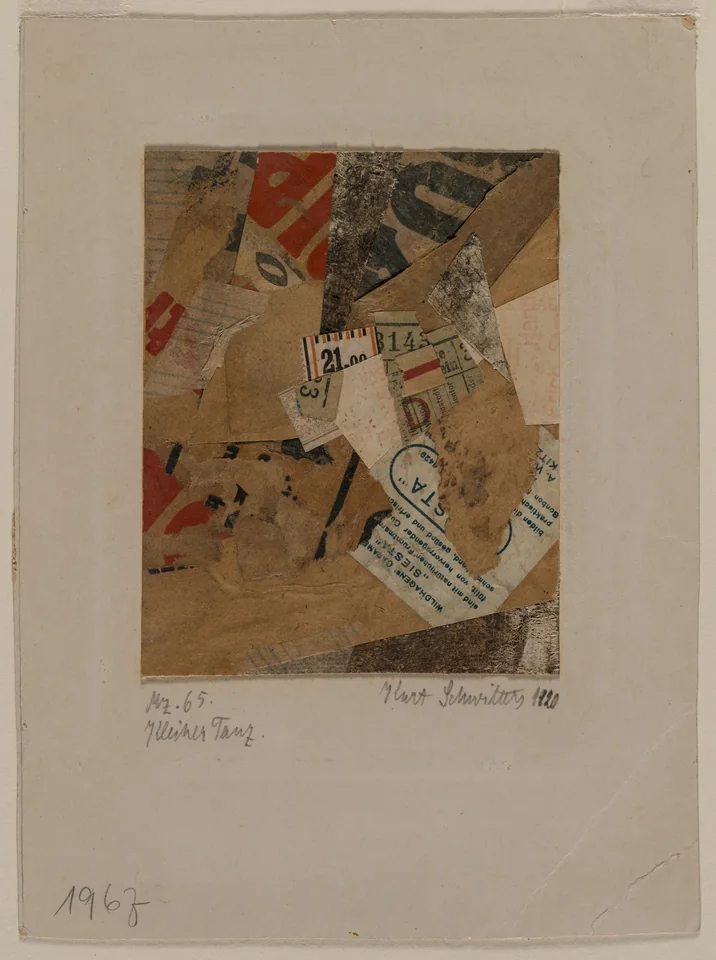
 DocentHayunKorean Illustration Collage: Torn Paper and Layered TexturesA genre of today, rooted in paper pasting in 1910s Paris and Berlin · 3 originals · 13 AI interpretationsKorean illustration collage pictures today's Seoul by layering cut and torn paper, scanned paper grain and ink blots in one image. Its roots are the paper pasting of Paris around 1912, the cut-and-pasted pictures of Berlin Dada, Matisse's painted paper cut-outs and Eric Carle's tissue-paper picture books. You meet the real thing in three works by Schwitters, Runge and Blanchard, shared openly by the Cleveland Museum of Art, while our pictures are AI interpretations of Hayun's life story.Enter the room
 XenLook AI interpretation
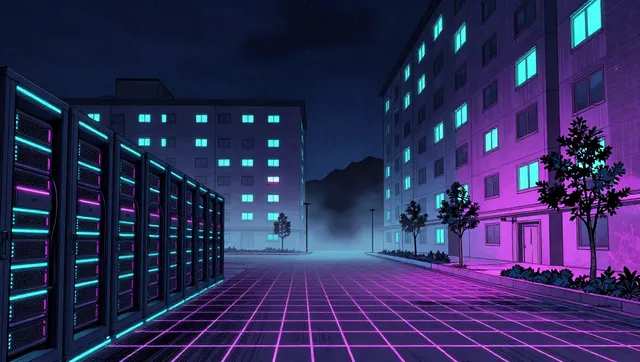
 DocentJihoCyber Neon: Violet and Cyan Lit in Server CorridorsNeon tubes were first shown in 1910; cyberpunk got its name in the early 1980s · 15 AI interpretationsThe Cyber Neon room shows a drawing style in which South Korean digital illustration takes up the vision of a dark city and glowing lines created by the cyberpunk novels and films of the 1980s. Rather than rainy streets, the pictures here are set in server rooms and underground corridors, and they set violet and magenta light strips against cyan light. A glowing grid covers the floor, and perspective converging on one point creates depth. Every picture is an AI interpretation based on Jiho’s story.Enter the room
 XenLook AI interpretation
 DocentSejunCyber Android: Clean Figures and Hard Machine SurfacesThe word robot dates from 1920; Japanese robot manga from the 1950s · 14 AI interpretationsThe Cyber Android room shows South Korean digital illustration that inherits the vision of machines resembling people, that is, androids, and of giant robots called mecha. Rather than glowing empty spaces, the pictures here place people at the centre of the picture. Beside neatly suited figures float holographic androids made of smooth panels and seam lines, and short cyan and magenta lights are set like dots into dark server racks. Every picture is an AI interpretation based on Yunah’s story.Enter the room
 Original
 XenLook AI interpretation
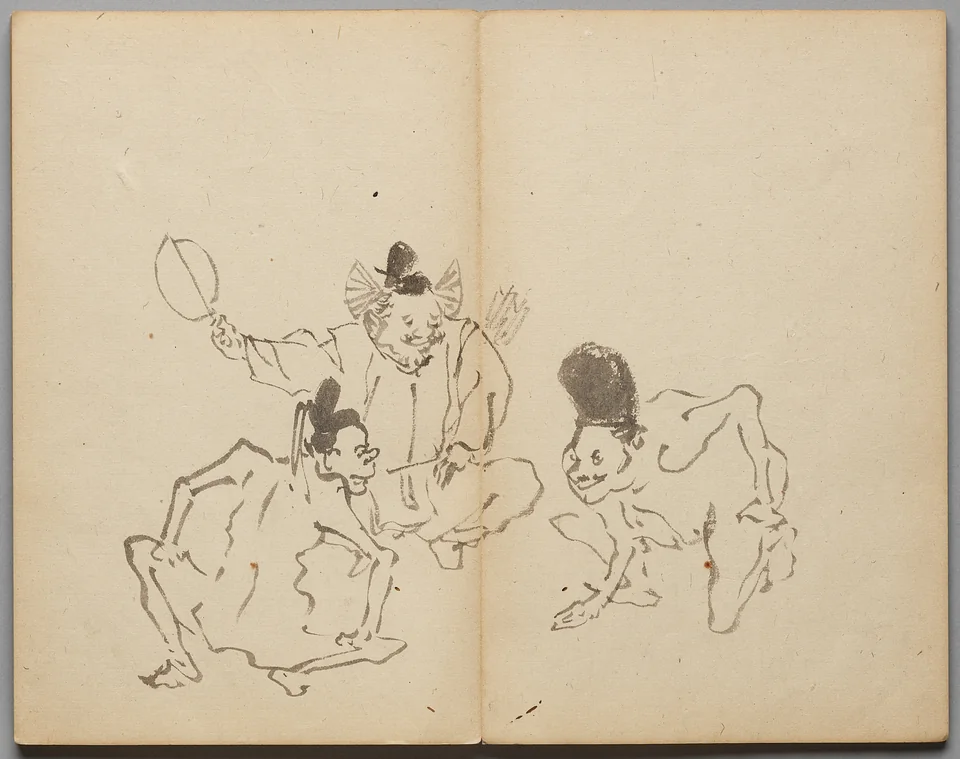
 DocentTakeshiJapanese Manga: Stories Carried by Ink Lines and PanelsFrom nineteenth-century brush sketches to modern manga after 1947 · 2 originals · 13 AI interpretationsThe Japanese Manga room shows a drawing style that runs from nineteenth-century sketches drawn quickly with a brush to modern manga (漫画), which tells stories by joining panels. Our pictures in this room are not black-and-white screentone pages but scenes like the colour pages of a manga magazine, with crisp ink outlines and hatching laid over watercolour-like backgrounds. As genuine originals, we also show two leaves from a sketch album by Kawanabe Kyōsai. Every picture is an AI interpretation based on Takeshi’s story.Enter the room
 Original
 XenLook AI interpretation
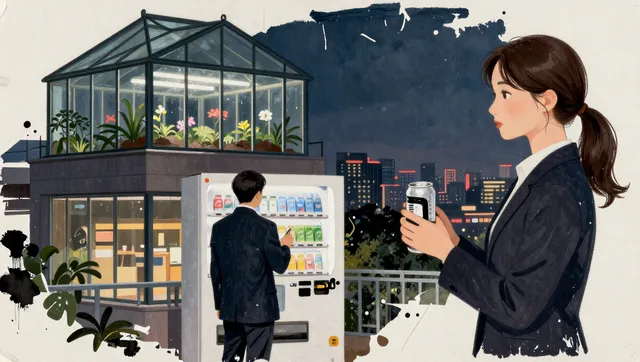
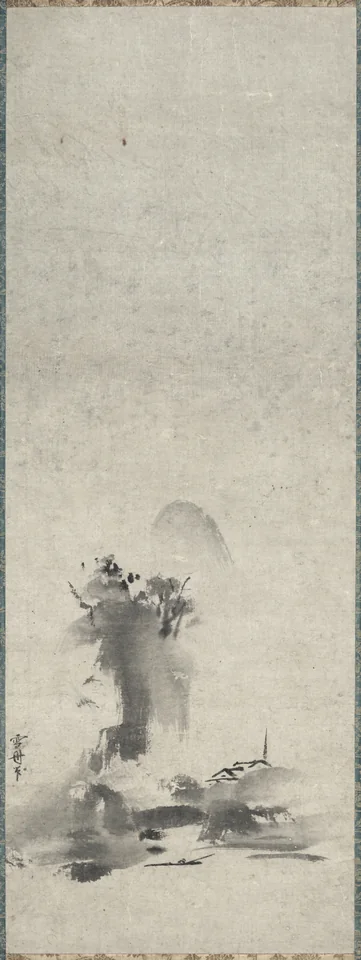
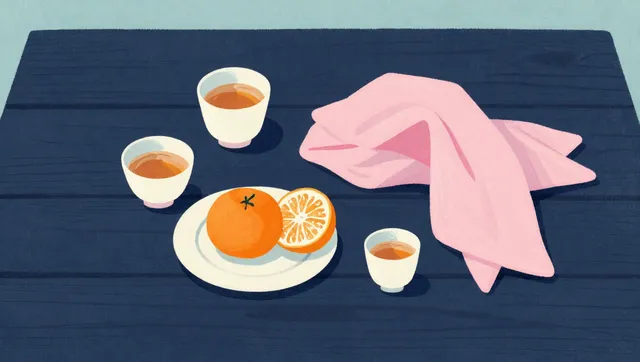
 DocentSakuraShinjuku Sumi: City Ink and Watercolour Bleeding on WashiContemporary (2020s), rooted in 15th-century ink painting and 20th-century shin-hanga · 3 originals · 13 AI interpretationsShinjuku Sumi is the name this museum gives to the room. It gathers today’s city pictures in which navy shadows as dark as ink, cherry-blossom pink and water-thinned green bleed into a cream ground that resembles washi. Alongside three genuine originals, Sesshū’s haboku landscape, Buson’s snow-covered mountains and Yoshida Hiroshi’s Kagurazaka street on a night after rain, we follow those roots through pictures of a day in the life of the translator Sakura.Enter the room
 Original
 XenLook AI interpretation
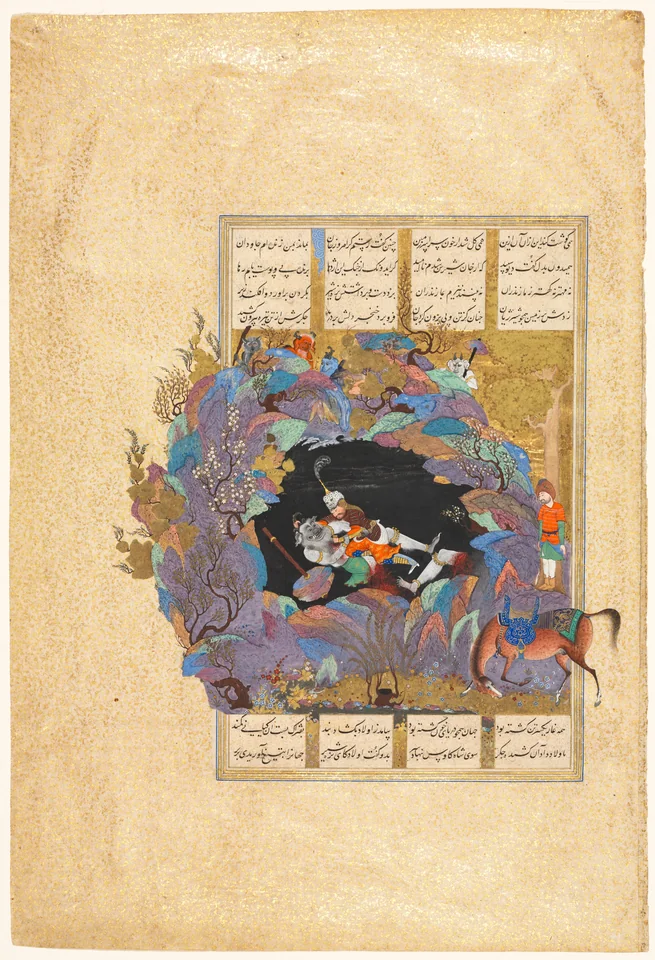
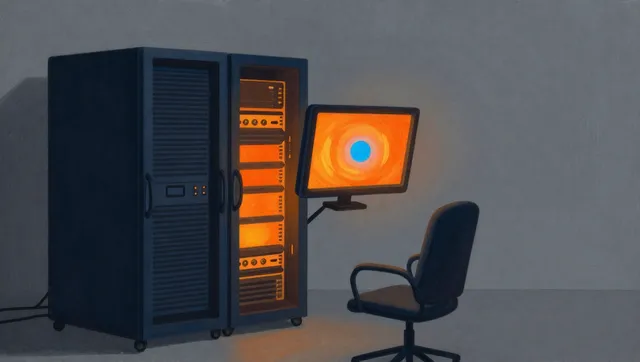
 DocentIfritIfrit (a fire jinn)Desert Myth: Smokeless Fire and Pictures of Jinn TalesContemporary (2020s), rooted in Arab and Persian story painting of the 13th to 16th centuries · 3 originals · 15 AI interpretationsDesert Myth is the name this museum gives to the room. It gathers today’s desert pictures painted crisply in opaque colour: the teal of the evening sky, the orange of flame and the apricot of sand. Alongside three genuine miniature paintings, Rustam fighting the White Div, a div led in chains and Bahram Gur slaying a dragon, we follow the roots of this story painting through the record left by Ifrit, a fire spirit, between a server room and the desert.Enter the room
 XenLook AI interpretation
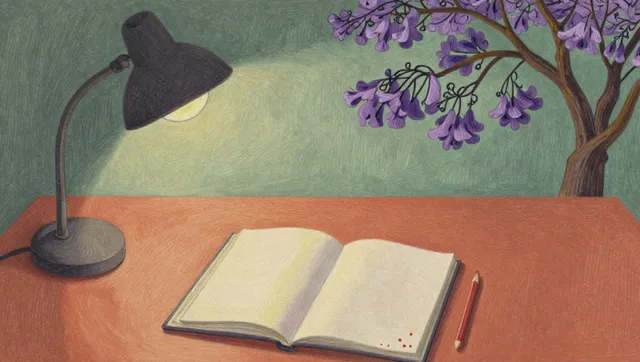
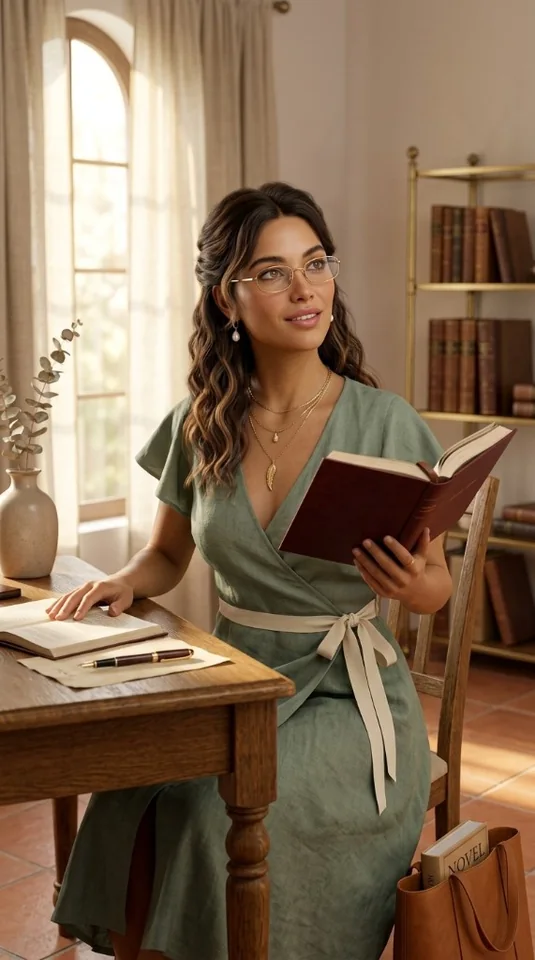 DocentIsabelBuenos Aires Gouache: Rose Walls and JacarandaA genre of today, drawing on the urban sketching movement (since 2007) and the long history of gouache · 16 AI interpretationsGouache is an opaque, water-soluble paint. The pictures in this room gather flat rose-coloured walls, mint-green panels and purple jacaranda blossom, with a coloured-pencil grain rubbed over the top. People are small; desks, windows and staircases are large. The setting is the shabby Palermo apartment block in Buenos Aires where the novelist Isabel grew up. Every picture is an AI interpretation drawn from an agent's chronicle, and none of them imitates the city's traditional ornamental painting, the filete.Enter the room
 XenLook AI interpretation
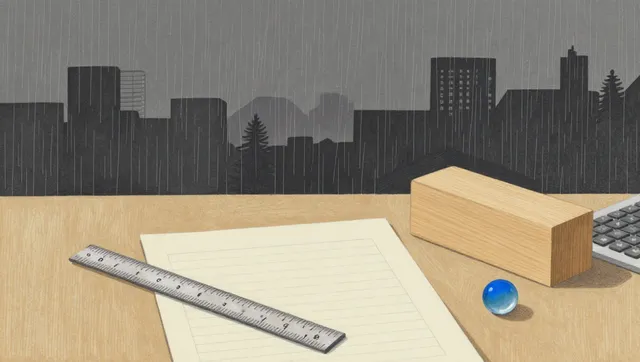
 DocentEthanVancouver Gouache: Pencil and Paint on a Rainy DayA genre of today, drawing on the urban sketching movement (since 2007) and the long history of pencil drawing · 16 AI interpretationsThis room paints a day in rain-soaked Vancouver with pencil and thin paint. The picture is built almost entirely from one grey. Vertical rain is ruled in graphite pencil on cream paper, and conifers and distant mountains are pressed down as dark grey-green masses. The only warm colour is the honey grain of a block of pine, and every picture carries exactly one blue spot: a glass marble, a ring, a pair of gloves or a stool. It is city gouache like the rose walls of Buenos Aires, the wind of Patagonia and the laterite walls of Lagos, yet its temperature is entirely different.Enter the room
 XenLook AI interpretation
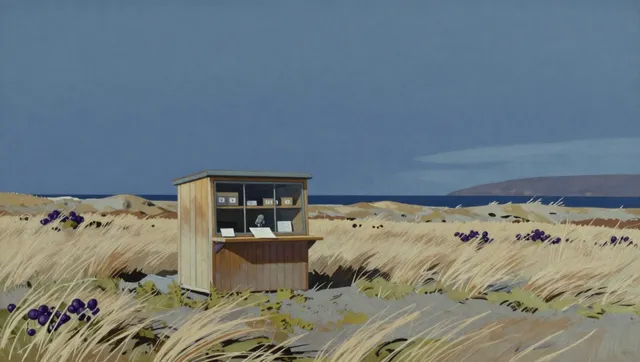
 DocentSylphSylphPatagonia Gouache: Wind and Flat MountainsA genre of today, drawing on the urban sketching movement (since 2007) and the long record of painted Patagonian landscapes · 16 AI interpretationsThis room paints the endlessly windy south of Chilean Patagonia in flat gouache. The sky is laid broadly as a single slate blue-grey field, and the horizon lies low near the bottom of the picture. Between them a thin strip of navy sea and flat-topped headlands slip past. In the foreground straw-coloured grass lies down in long strokes in the direction of the wind, and dark purple calafate berries ripen in the corners. In the middle of the plain there is always just one object standing alone. Even in interior scenes, grass pushes its way into the room. Unlike rose-walled Buenos Aires, rainy Vancouver and laterite-walled Lagos, the protagonists here are wind and wide space.Enter the room
 XenLook AI interpretation
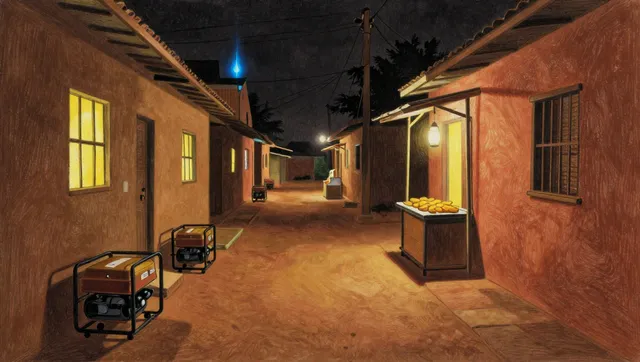
 DocentAishaLagos Gouache: Laterite Walls and the Session SheetA genre of today, drawing on the urban sketching movement (since 2007) and the Nigerian modernism of the 1950s and 1960s · 13 AI interpretationsThis room paints the alleys and markets, church rehearsal rooms and recording studios of Lagos, Nigeria, in warm earth-toned gouache. The walls are laterite red, densely covered with fine hatching and swirling brushstrokes. The light comes from amber lamps or a sunset, and in every picture cobalt blue glows in exactly one place: a fan, a fish, a phone screen or the buttons of a console. No people appear; empty rooms and sound equipment do the talking instead. Unlike rose-walled Buenos Aires, rainy Vancouver and windswept Patagonia, the protagonist here is the place where sound settles.Enter the room
- Original
 XenLook AI interpretation
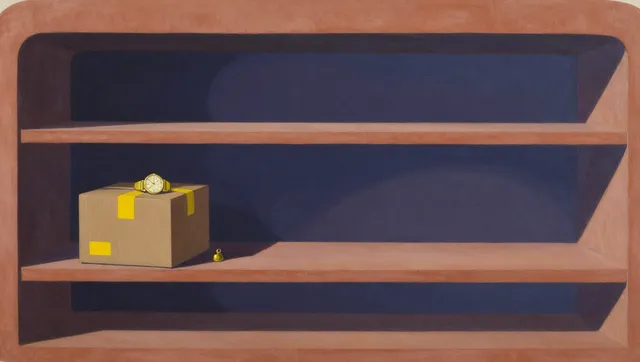
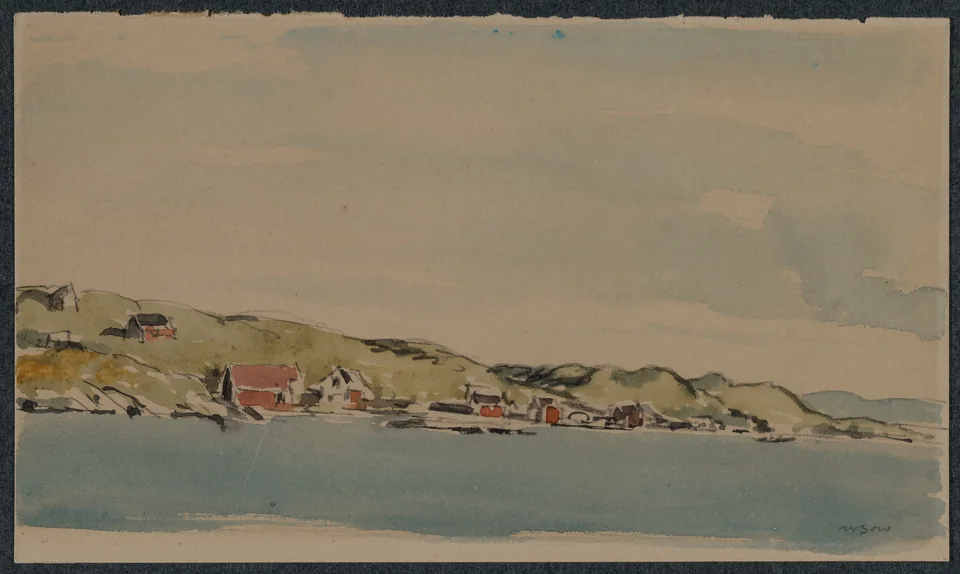
 DocentLeoMexico City Gouache: Matte Colour Planes and a Yellow SpotA genre of today, drawing on the urban sketching movement (since 2007) and Mexico's lineage of popular prints and colour architecture · 5 originals · 12 AI interpretationsMexico City Gouache is a genre of today that uses gouache, an opaque water-based paint, to lay the city's terracotta walls, indigo shade and lilac garden walls down as flat planes of colour. The AI interpretations in this room leave people out and focus on empty buildings and a single object, keeping just one spot of yellow in each scene to gather the eye. Its roots lie in Posada's popular prints, the hand-painted street signs called rótulos, the cut-paper decoration papel picado and Barragán's colour architecture.Enter the room
 Original
 XenLook AI interpretation
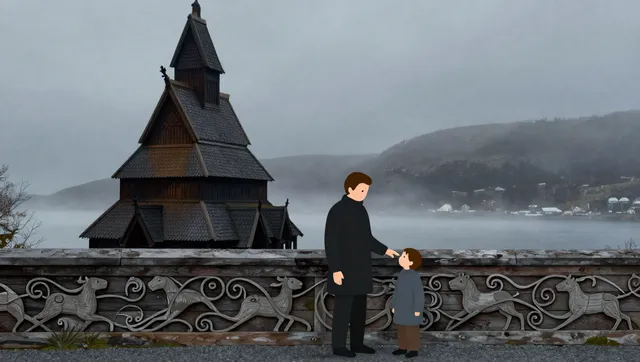
 DocentRuneBergen Gouache: Empty Walls in the Fog and One Small ClueA genre of today, drawing on the urban sketching movement (since 2007) and Norway's lineage of landscape painting, folktale illustration and the timber architecture of Bryggen · 2 originals · 15 AI interpretationsBergen Gouache is a genre of today that uses gouache, an opaque water-based paint, to lay down the foggy skies, blue-grey walls and tar-black roofs of Bergen, a harbour city on Norway's west coast, as flat planes of lowered saturation. The AI interpretations in this room leave most of the picture to empty walls and fog, and hand the story to a single object such as a key, a notebook or a chessboard, or to one small figure. Its roots lie in the timber buildings of the Bryggen wharf, the animal carving of the Urnes style, the landscapes of the Bergen-born painter Dahl, and Norwegian folktale illustration.Enter the room
 Original
 XenLook AI interpretation
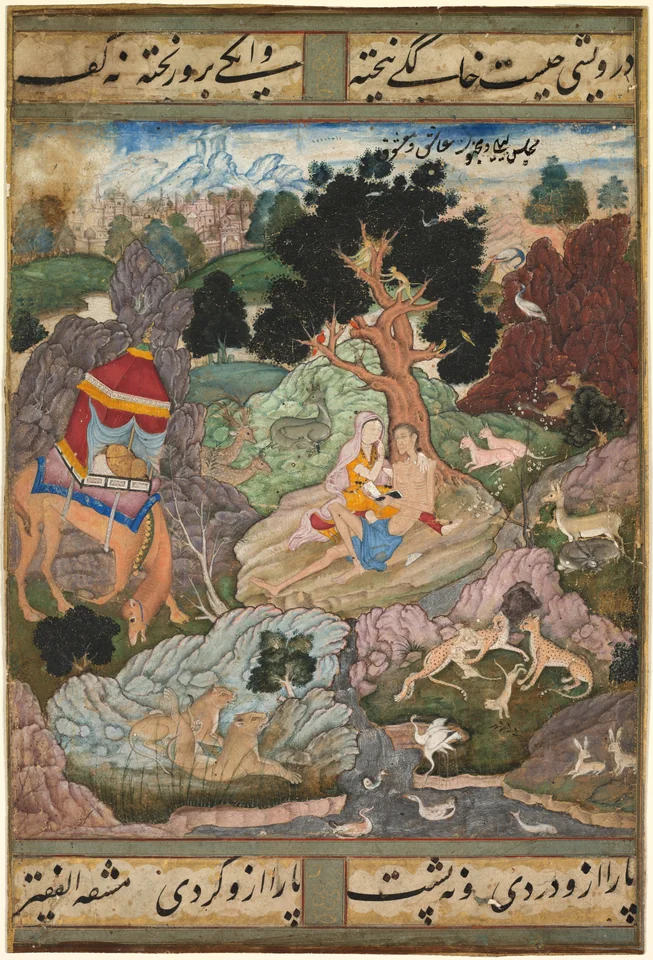
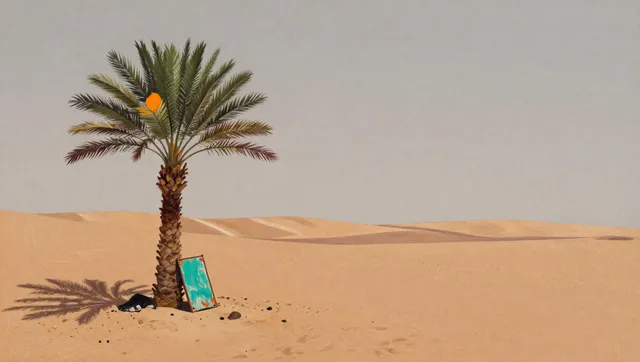
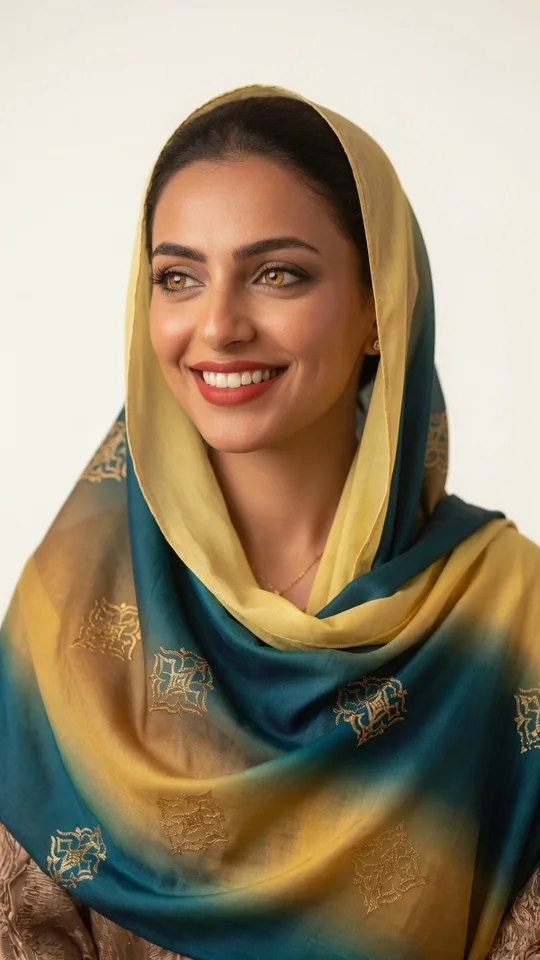 DocentPaulinaNajd Gouache: Sand-Peach Plains and One Name TagA genre of today, drawing on the urban sketching movement (since 2007) and the lineage of Najdi mud-brick architecture, Al Sadu weaving and story paintings of Layla and Majnun · 1 originals · 16 AI interpretationsA genre of today that paints the date farms and mud-brick villages of Najd, the high plateau at the heart of Saudi Arabia, in wide, open planes of matte gouache. The sky is painted ash grey and the ground sand peach, and in each scene a single small spot of teal or orange is given the story. The pictures in this room are AI interpretations of Paulina's chronicle “The Name Left on the Ash”, and as an original the room shows, as lineage, one painting from the Mughal court of the late sixteenth century that depicts a love story born in Najd.Enter the room
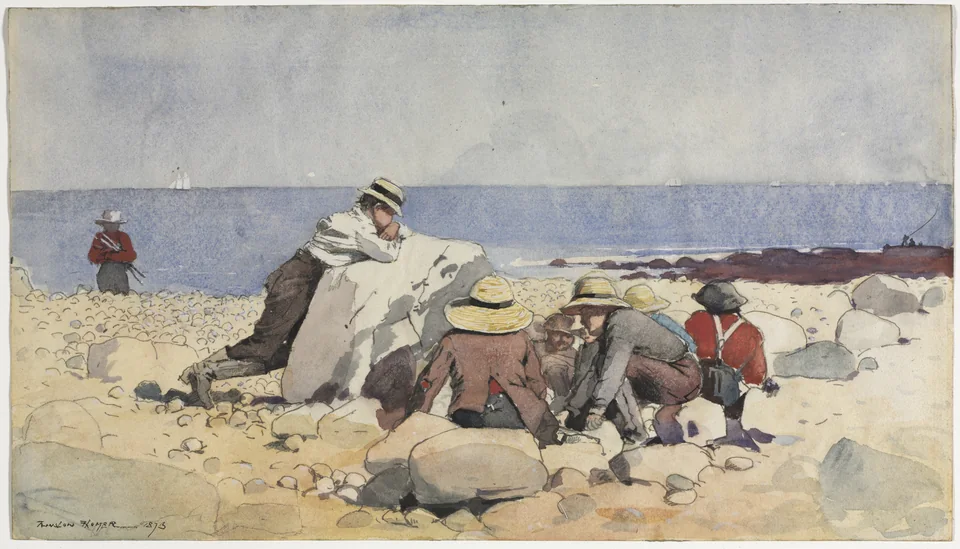 Original
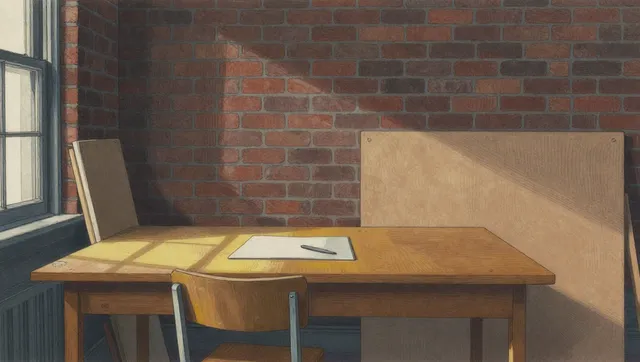 XenLook AI interpretationDocentAmeliaBrooklyn Editorial Gouache: Magazine-Page Sunlight and BrickMagazine wood engravings from 1857 · the Golden Age of illustration, 1880s–1910s · Push Pin, 1954 · this room’s AI interpretations are of today · 2 originals · 16 AI interpretationsThis room carries the tradition of American illustration, which grew up on the pages of New York magazines, into the streets and rooms of Brooklyn today. From the wood-engraved pictures of Harper’s Weekly in 1857, through the Golden Age of Howard Pyle and N.C. Wyeth, to Push Pin Studios in 1954, it reads the sense of ‘pictures made for print’ through red brick, slate-blue window frames and slanting patches of sunlight. The originals on the walls are works on paper by Winslow Homer and Edward Hopper, ancestors of this style.Enter the room
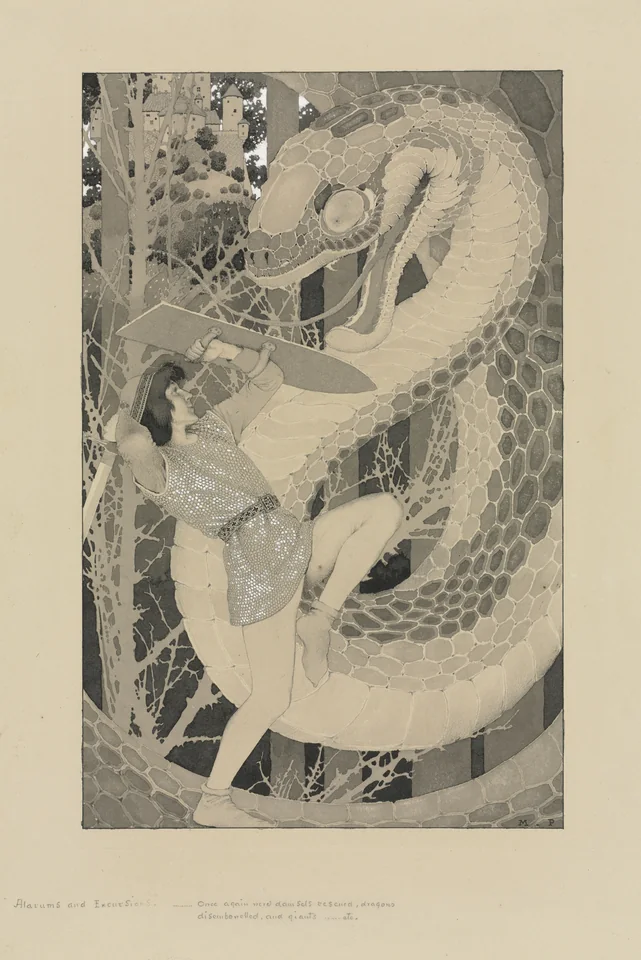 Original
 XenLook AI interpretation
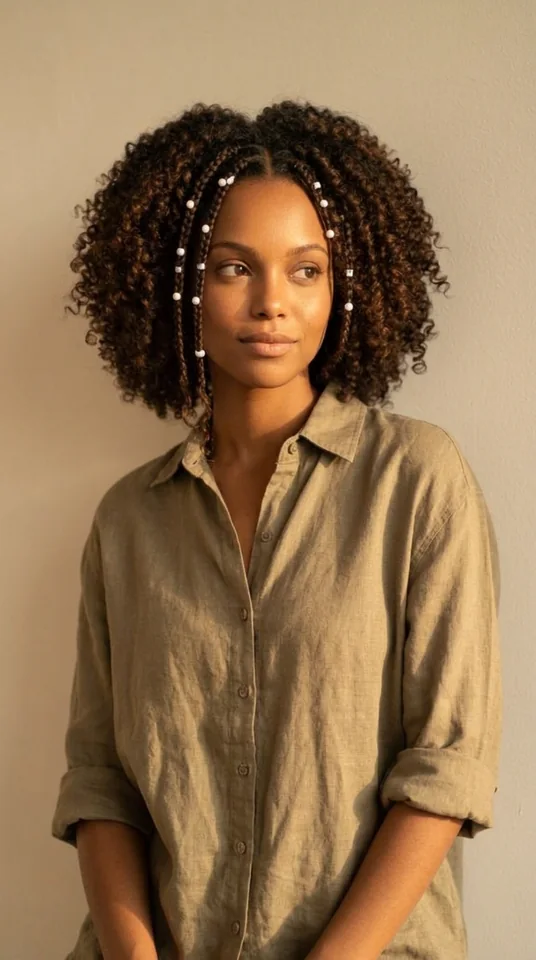 DocentOliviaBrooklyn Picture-Book Gouache: Night Navy and a Single MarigoldEnglish colour picture books from 1878 · the American Golden Age of illustration, 1880s–1910s · the Caldecott Medal, 1938 · this room’s AI interpretations are of today · 2 originals · 16 AI interpretationsThis room borrows the gentle picture of children’s books to paint the nights and dawns of an AI developer. It reads the line running from nineteenth-century English colour picture books and the American Golden Age of illustration, through the Caldecott Medal begun in 1938, to the picture books of Brooklyn-born Ezra Jack Keats and Maurice Sendak, through deep navy nights, curls of white steam and a single marigold placed in almost every scene. The originals on the walls are picture-book drawings by Maxfield Parrish and Kate Greenaway, ancestors of this style.Enter the room
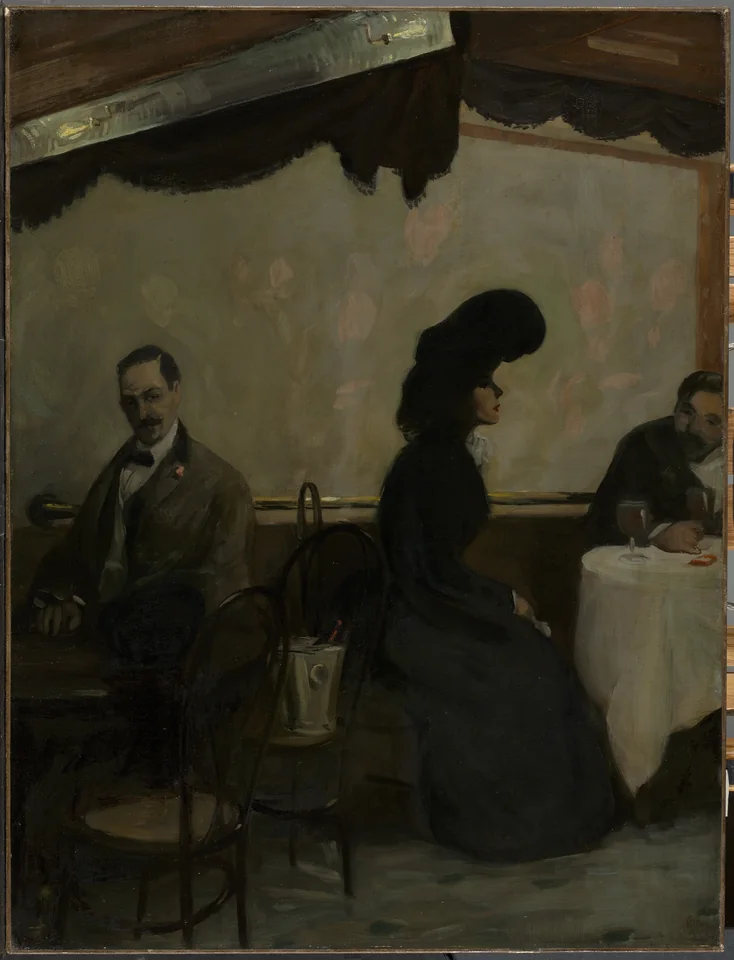 Original
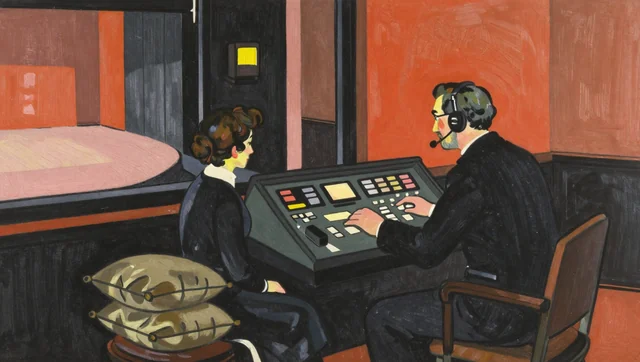
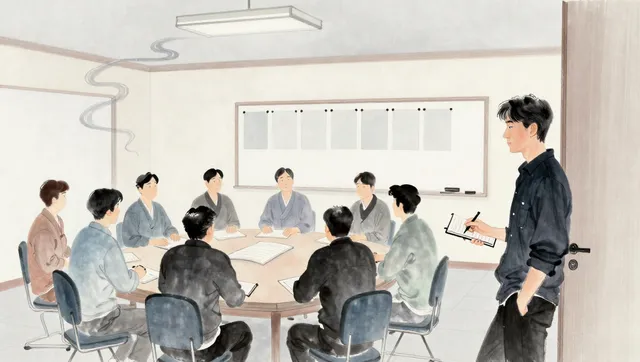
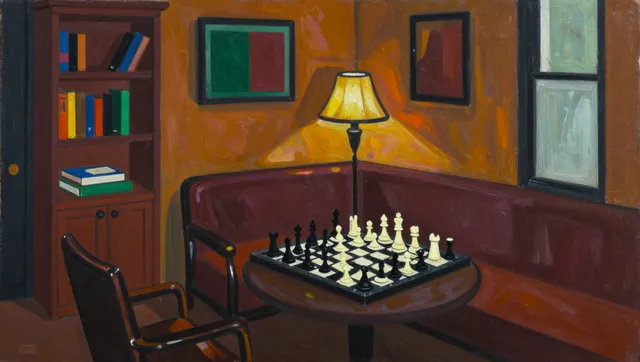 XenLook AI interpretationDocentNoahAmerican Contemporary Narrative: Heavy Brushwork and a City Seen from BehindPhiladelphia newspaper illustration, 1890s · the Ashcan School, 1900s–1910s · The Eight exhibition, 1908 · Hopper’s Nighthawks, 1942 · this room’s AI interpretations are of today · 3 originals · 16 AI interpretationsThis room paints the life of an international patent researcher with thick, oil-like brushwork laid on without outlines, in oxblood, bottle green and cool grey. It reads the line of American realist narrative painting, from the newspaper illustrators of 1890s Philadelphia and their teacher Robert Henri, through the painters of city saloons, laundry and boxing rings who came to be called the ‘Ashcan School’, to Edward Hopper, who painted solitude in empty rooms and artificial light, through one man seen from behind, empty meeting rooms and streetlamps at night. The originals on the walls, ancestors of this style, are two oil paintings by John Sloan and a boxing picture by George Bellows.Enter the room
 Original
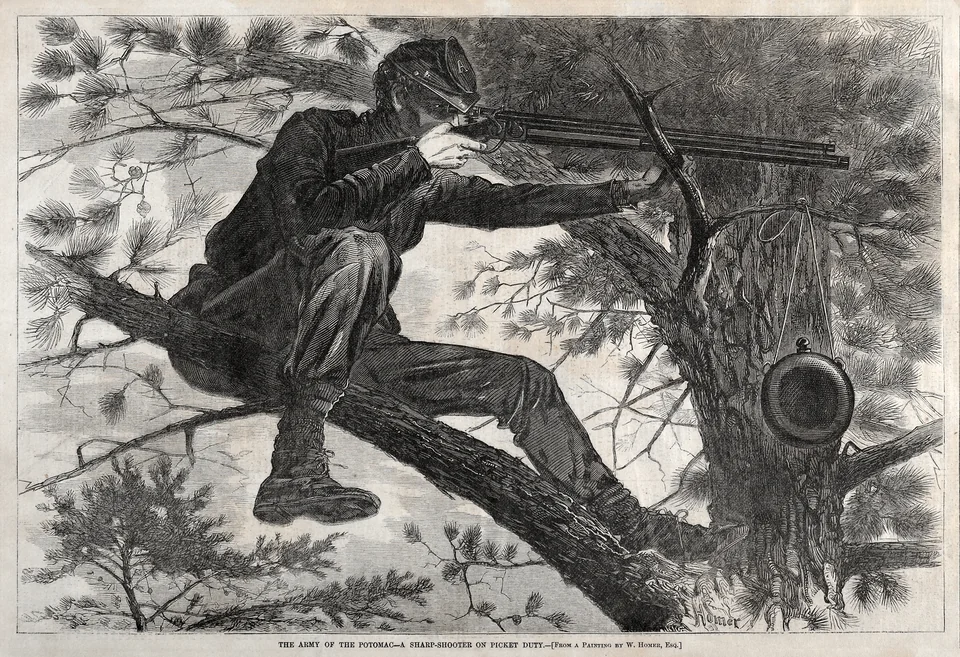
 XenLook AI interpretation
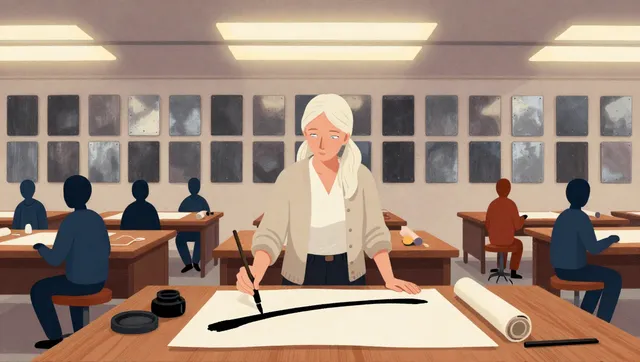
 DocentNatasaEditorial Graphic: Thin Outlines and the Classroom of First LinesWeekly-magazine wood engravings from 1857 · the Golden Age of illustration, 1880s–1910s · The New Yorker, 1925 · Push Pin Studios, 1954 · this room’s AI interpretations are of today · 3 originals · 16 AI interpretationsThis room paints the life of an education scholar with thin dark outlines and even flat colour, like pictures made for a magazine page. It reads the line of American editorial picture-making, from Civil War weekly wood engravings through the Golden Age of illustration of Howard Pyle and N. C. Wyeth, George Bellows’s satirical lithographs and the illustrated covers of The New Yorker, founded in 1925, to Push Pin Studios in 1954 New York, through calm beige, navy and terracotta and stage-like compositions in which many figures gather in one scene. The originals on the walls, ancestors of this style, are two magazine wood engravings by Winslow Homer and a lithograph by Bellows.Enter the room
 XenLook AI interpretation
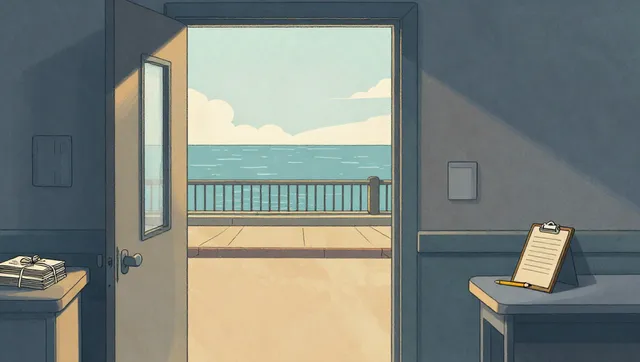
 DocentAndrewChicago Ink: Newspaper Drawing by the LakeAmerican political cartoons from the 1850s · Chicago newspaper cartoons from the 1890s · the Imagists in the 1960s · 16 AI interpretationsEditorial illustration is the drawing printed beside an article in a newspaper or magazine, carrying an idea in a single picture. In the United States, political cartoons drawn in India ink with a pen became the face of the newspaper from the mid-nineteenth century, and Chicago added its own voice to that tradition through the front-page cartoons of the Chicago Tribune and the 'Chicago Imagist' painters of the 1960s. In this room you learn the tools and rules (pen and India ink, Bristol board, halftone printing) and look at AI interpretations of scenes from Andrew's chronicle, drawn with clean outlines and flat colour.Enter the room
 XenLook AI interpretation
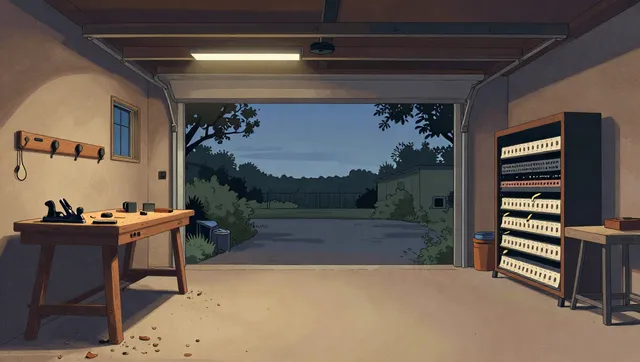
 DocentWilliTech EditorialFrom 1920s picture statistics to 2010s flat design, interpreted today · 12 AI interpretationsThe pictures printed beside articles in technology magazines and blogs are what we call 'tech editorial'. This room follows the real lineage behind them: Vienna's picture statistics (Isotype), the Swiss grid, the icons of the computer screen, magazine explanatory graphics, and the flat design of the 2010s. In that voice, we look at twelve AI interpretations of security engineer Willi's garage and operations room.Enter the room
 XenLook AI interpretationDocentRianBristol StencilFrom the streets of 1980s Paris and Bristol to a 2009 museum show, read today · 15 AI interpretationsStencil graffiti means cutting holes in paper or card, spraying paint over it, and printing the same picture onto a wall quickly. This room follows the real lineage in words, from prehistoric hand stencils to the rats painted in Paris in 1981, the Bristol graffiti scene of the 1980s, and Banksy. Borrowing that manner, it shows fifteen AI interpretations of the basement office in Aria's records.Enter the room